
16 Jun 2026
The Perfect Wine Serving Temperature: A Complete Guide to Red, White and Sparkling Wines
Serving wine at the right temperature can transform its aromas, texture and balance. Discover why a few degrees matter, how temperature affects different wine styles and how to serve everything from delicate Pinot Noir to powerful Bordeaux.
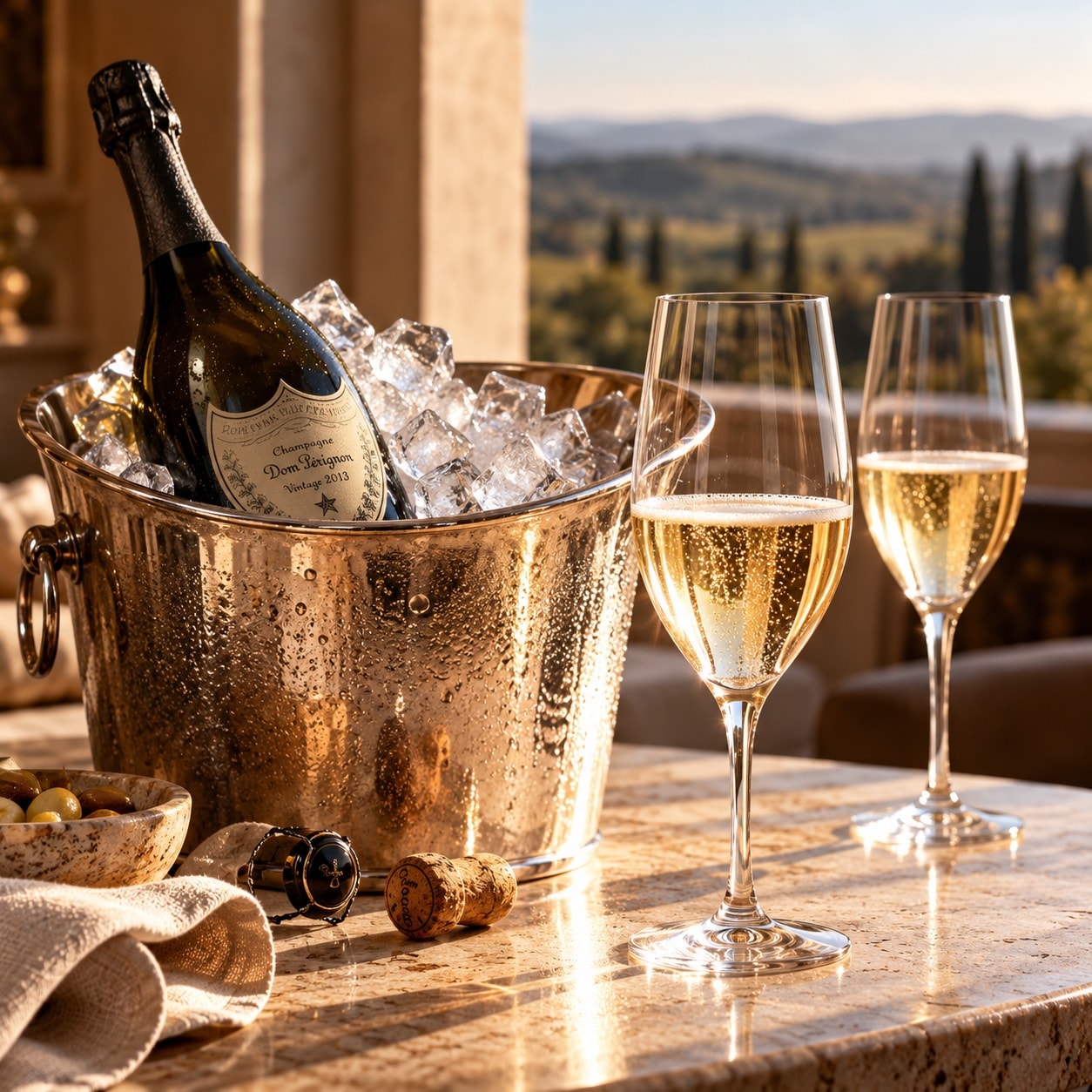
Why Wine Serving Temperature Matters More Than You Think
Few aspects of wine service have such an immediate influence on the drinking experience as temperature.
A carefully selected bottle can appear remarkably different depending on whether it is served slightly chilled, at cellar temperature or in a warm dining room.
Temperature affects how we perceive aromas, acidity, tannins, alcohol and texture. It can influence whether a wine feels fresh and precise or heavy and unbalanced.
Yet serving temperature is often overlooked.
White wine is frequently served directly from a refrigerator, while red wine is poured at room temperature. Although convenient, neither approach guarantees the best result.
Modern indoor temperatures can be considerably warmer than the conditions traditionally associated with serving red wine. Meanwhile, a domestic refrigerator may chill delicate white wines enough to temporarily suppress some of their aromatic complexity.
The solution is not to follow rigid rules for every bottle.
Instead, it is to understand how temperature interacts with wine style, structure and maturity.
A young, fruit-driven red may benefit from a cooler serving temperature than a mature, complex Bordeaux. A crisp Sauvignon Blanc generally performs well at a lower temperature than a rich, oak-aged Chardonnay.
Even small adjustments can make a noticeable difference.
Understanding these relationships is one of the simplest ways to appreciate fine wine more fully.
How Temperature Changes the Taste of Wine
Temperature influences wine through several interconnected sensory effects.
It changes the release of volatile aromatic compounds, alters our perception of sweetness and acidity, and affects how alcohol and tannins are experienced.
These changes help explain why the same wine can seem dramatically different at 10°C and 20°C.
Aroma and Aromatic Expression
A wine's aroma depends partly on volatile compounds reaching the nose.
As temperature increases, many aromatic compounds become more volatile, potentially making certain aromas easier to detect.
However, warmer is not always better.
At higher temperatures, alcohol can become more prominent, sometimes distracting from delicate fruit, floral or savoury characteristics.
At lower temperatures, aromatic expression may become more restrained.
This is particularly noticeable in complex white wines served directly from a very cold refrigerator.
A fine white Burgundy, for example, may initially appear relatively muted at 5°C.
As the wine warms gradually in the glass, its aromas may become more expressive, revealing additional layers of fruit, floral notes and oak-derived complexity.
Acidity and Freshness
Temperature also influences how we perceive acidity.
Cooler serving temperatures often enhance the overall impression of freshness, particularly in wines with naturally vibrant acidity.
This is one reason why Riesling, Sauvignon Blanc and many sparkling wines are generally served chilled.
However, excessive chilling can reduce aromatic expression and make a wine feel less generous.
The objective is to preserve freshness without sacrificing character.
Alcohol and Warmth
Alcohol becomes more noticeable as wine temperature rises.
A full-bodied red wine served at 23°C may feel considerably warmer and heavier than the same wine served at 17°C.
The alcohol content has not changed, but its sensory impact has.
This is particularly relevant for wines from warmer growing regions, where naturally higher alcohol levels can contribute to richness.
Serving these wines slightly cooler can improve the perception of balance.
Tannins and Texture
Temperature can also influence how tannins are perceived.
When a structured red wine is served too cold, its tannins may feel more pronounced or astringent, particularly if its fruit expression is subdued.
At a more appropriate temperature, the relationship between fruit, acidity and tannins may feel more harmonious.
This is why powerful, young Cabernet Sauvignon is generally served warmer than delicate, lightly structured red wines.
However, excessively warm temperatures can make even a well-structured wine feel heavy.
The ideal temperature is therefore a balance between aromatic expression, freshness and texture.
Wine Serving Temperature Chart
The following ranges provide practical starting points for different wine styles.
They are guidelines rather than absolute rules. Individual wines may show better slightly above or below these temperatures.
Wine StyleRecommended Serving Temperature
Champagne and other sparkling wines
6–10°C
Light, crisp white wines
7–10°C
Aromatic white wines
8–11°C
Rich, full-bodied white wines
10–13°C
Rosé wines
8–12°C
Light-bodied red wines
12–15°C
Medium-bodied red wines
14–17°C
Full-bodied red wines
16–18°C
Sweet dessert wines
6–12°C
Fortified wines
10–18°C, depending on style
These ranges should be interpreted according to the individual wine.
For example, a mature vintage Champagne may benefit from a slightly warmer serving temperature than a youthful, non-vintage Champagne.
Similarly, a delicate red Burgundy and a concentrated young Pauillac require different approaches.
The purpose of serving temperature is not to follow a number precisely.
It is to allow the wine to express its character as clearly as possible.
The Best Temperature for Red Wine
One of the most persistent misconceptions in wine service is that red wine should always be served at room temperature.
Historically, this advice made more sense when indoor temperatures were often cooler than they are today.
In a modern home, room temperature may reach 21–24°C.
For most red wines, this is unnecessarily warm.
At such temperatures, alcohol may become more prominent, fruit can feel heavier and the overall impression may lose precision.
Most red wines benefit from being served between approximately 12°C and 18°C, depending on their structure and style.
Light-Bodied Reds: 12–15°C
Light-bodied red wines often benefit from a gentle chill.
Examples include:
- Pinot Noir
- Gamay
- Lighter styles of Cabernet Franc
- Some delicate red wines from cooler climates
A youthful Pinot Noir served at approximately 14°C may display greater freshness and aromatic definition than the same wine at 21°C.
However, particularly complex or mature examples may benefit from being served slightly warmer.
The aim is to highlight elegance without suppressing aromatic detail.
Medium-Bodied Reds: 14–17°C
Medium-bodied reds often perform well at temperatures around 15–16°C.
Examples include many styles of:
- Merlot
- Sangiovese
- Tempranillo
- Grenache-based blends
At these temperatures, fruit, acidity and tannins can remain in balance.
A Chianti Classico, for example, may show particularly well when served slightly cooler than a typical modern room.
Full-Bodied Reds: 16–18°C
Powerful, structured red wines generally benefit from somewhat warmer serving temperatures.
Examples include:
- Cabernet Sauvignon
- Bordeaux blends
- Barolo
- Brunello di Montalcino
- Northern Rhône Syrah
These wines often possess substantial tannic structure and complex aromatic profiles.
Serving them too cold can make the tannins feel more assertive while restricting aromatic expression.
Nevertheless, temperatures above 20°C are rarely desirable.
Serving Fine Bordeaux
Fine Bordeaux provides an excellent illustration of why temperature matters.
A young Château Latour may possess considerable tannic structure, concentrated fruit and impressive depth.
Serving it at approximately 17–18°C can help preserve freshness while allowing its structural components to express themselves.
A mature Château Margaux, by contrast, may benefit from starting slightly cooler, around 16°C, and warming gradually in the glass.
These are illustrative starting points rather than producer-specific rules. The vintage, maturity and individual bottle condition should always influence the final decision.
The Best Temperature for White Wine
White wines are often served too cold.
While chilling is essential for freshness, excessively low temperatures can suppress aromatic expression and reduce the perception of texture.
Different white wine styles require different serving temperatures.
Crisp, Light White Wines: 7–10°C
Fresh, light-bodied white wines generally perform well at cooler temperatures.
Examples include:
- Sauvignon Blanc
- Albariño
- Muscadet
- Pinot Grigio
- Dry Riesling
These wines are often valued for their freshness, citrus characteristics and lively acidity.
Serving them at approximately 8–9°C can preserve their refreshing character.
However, serving them close to freezing may make their aromas less expressive.
Aromatic White Wines: 8–11°C
Aromatic varieties such as Gewürztraminer, Viognier and certain Rieslings can benefit from slightly warmer temperatures.
These wines may display floral, stone-fruit and spice characteristics that become more apparent as the wine warms.
A temperature around 10°C often provides a useful starting point.
Rich, Full-Bodied Whites: 10–13°C
Complex, full-bodied white wines generally benefit from warmer serving temperatures than lighter styles.
Examples include:
- White Burgundy
- Oak-aged Chardonnay
- White Rhône blends
- Certain mature white Bordeaux wines
These wines may possess substantial texture, layered aromas and considerable complexity.
Serving them at 5°C can conceal some of these qualities.
A fine white Burgundy may reveal more of its character at approximately 11–13°C.
This allows its texture, acidity and aromatic complexity to become more apparent without sacrificing freshness.
Champagne and Sparkling Wine: Why Temperature Matters
Champagne is traditionally served well chilled, but there is a difference between refreshing and excessively cold.
Temperature influences both aromatic expression and the perception of carbonation.
At lower temperatures, dissolved carbon dioxide is generally retained more readily, helping sparkling wines maintain their effervescence.
However, very cold temperatures can make complex aromas harder to appreciate.
Non-Vintage Champagne: 6–9°C
Many youthful, non-vintage Champagnes are enjoyable at approximately 7–9°C.
This preserves freshness and emphasises their lively character.
Vintage and Prestige Champagne: 9–12°C
More complex vintage Champagnes may benefit from slightly warmer temperatures.
A mature Champagne with developed aromas of brioche, toasted nuts, dried fruit and savoury complexity may reveal more of its character around 10–12°C.
This can be particularly relevant for wines such as Bollinger R.D., where extended ageing and complexity are important aspects of the drinking experience.
The objective is not to serve every Champagne warm.
It is to recognise that a youthful aperitif-style Champagne and a mature prestige cuvée may benefit from different approaches.
What About Rosé, Sweet and Fortified Wines?
Not every wine fits neatly into the categories of red, white or sparkling.
Rosé, dessert wines and fortified wines also respond differently to temperature.
Rosé: 8–12°C
Most dry rosé wines are best served chilled.
Lighter, delicate styles often benefit from temperatures around 8–10°C.
More structured rosés may show greater aromatic complexity closer to 11–12°C.
Sweet Wines: 6–12°C
Sweet wines generally benefit from chilling because lower temperatures can help maintain a refreshing balance between sweetness and acidity.
However, highly complex mature sweet wines may become more expressive as they warm slightly.
For example, a young Sauternes may be enjoyable at approximately 8–10°C, while a mature example can benefit from a somewhat warmer temperature.
Fortified Wines: 10–18°C
Fortified wines vary considerably in style.
Fino Sherry is generally served well chilled, often around 7–10°C.
Tawny Port may perform well around 10–14°C, while Vintage Port is commonly served closer to 16–18°C.
Because fortified wines differ substantially in sweetness, alcohol, oxidative character and structure, there is no single ideal serving temperature.
How to Reach the Right Serving Temperature at Home
Achieving an appropriate serving temperature does not require professional equipment.
A few simple habits can make a significant difference.
1. Do Not Rely on Room Temperature
Modern indoor temperatures are often too warm for red wine.
If a bottle has been stored in a room at 22°C, placing it in the refrigerator for approximately 20–30 minutes may bring it closer to a suitable serving temperature.
The exact cooling time depends on the starting temperature, bottle size and refrigerator conditions.
2. Allow White Wine to Warm Slightly
A domestic refrigerator commonly operates at approximately 4–5°C.
This is colder than the ideal serving temperature for many complex white wines.
Removing a bottle 10–20 minutes before serving can allow it to warm gradually.
The required time varies, and a wine thermometer provides greater accuracy.
3. Use an Ice Bucket Effectively
An ice bucket containing both ice and water cools wine more efficiently than ice alone because the water improves contact with the bottle.
This can be particularly useful when Champagne or white wine needs to be chilled relatively quickly.
4. Consider a Wine Thermometer
A simple wine thermometer can remove much of the guesswork.
It is especially useful when serving mature or expensive bottles where small temperature differences may influence the experience.
5. Remember That Wine Warms in the Glass
The temperature at which a wine is poured is not necessarily the temperature at which it will be consumed.
Wine gradually warms in the glass, particularly in a warm room.
For this reason, serving a wine slightly below its preferred drinking temperature can be sensible.
This allows its aromas and texture to develop naturally over the course of the tasting.
Should You Serve Wine Cooler Than You Think?
In many situations, yes.
Red wines are frequently served too warm, while complex white wines are often served too cold.
The traditional distinction between chilled white wine and room-temperature red wine is therefore too simplistic.
A more useful approach considers the individual wine.
A delicate Pinot Noir may benefit from a gentle chill.
A structured Bordeaux may show best at a cool cellar temperature.
A rich white Burgundy may require more warmth than a crisp Sauvignon Blanc.
A mature vintage Champagne may reveal greater complexity when it is not served excessively cold.
These differences reflect the relationship between temperature, structure and aromatic expression.
There is no universal perfect temperature for every wine.
The goal is to identify the conditions in which a particular bottle feels most balanced and expressive.
The Final Pour: Temperature as Part of Wine Appreciation
Serving temperature is one of the simplest ways to influence how a wine is experienced.
It can affect aromatic intensity, freshness, tannic structure, alcohol perception and the overall sense of harmony.
Yet the most important lesson is not to memorise a long list of exact temperatures.
It is to understand why different wines benefit from different conditions.
Fine wine rewards attention to detail.
The right glass, appropriate storage, careful handling and suitable serving temperature all contribute to the experience.
A few degrees can sometimes reveal qualities that might otherwise remain hidden.
The best serving temperature is ultimately the one that allows a wine to express its character with the greatest balance, clarity and complexity.
Fler inlägg
30 Oct 2026
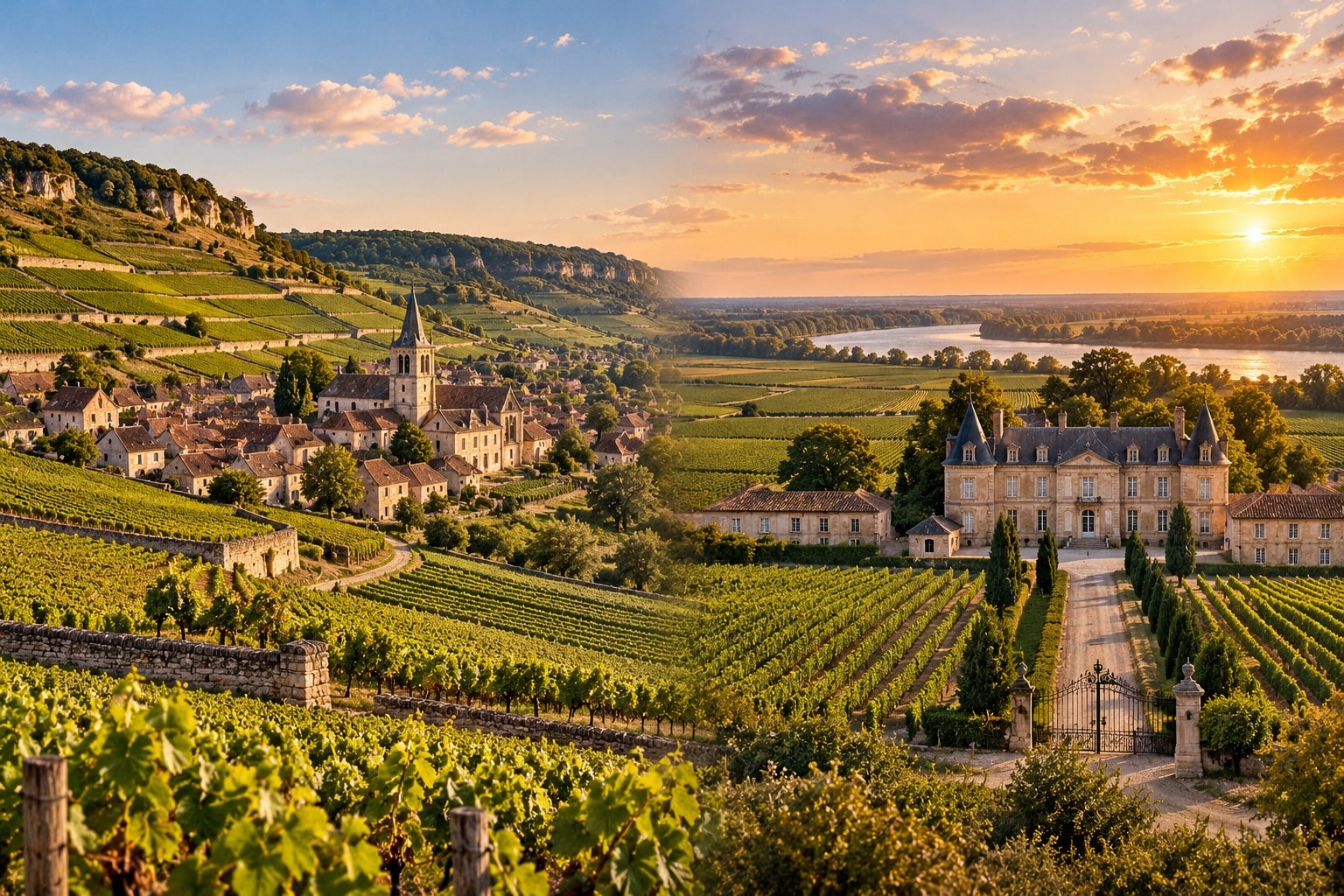
Burgundy vs Bordeaux
Burgundy and Bordeaux have shaped the world of fine wine for centuries, yet their traditions are fundamentally different. From Burgundy’s vineyard-focused classifications and single-variety wines to Bordeaux’s celebrated estates and blending traditions, discover what distinguishes these two historic French wine regions.
23 Oct 2026
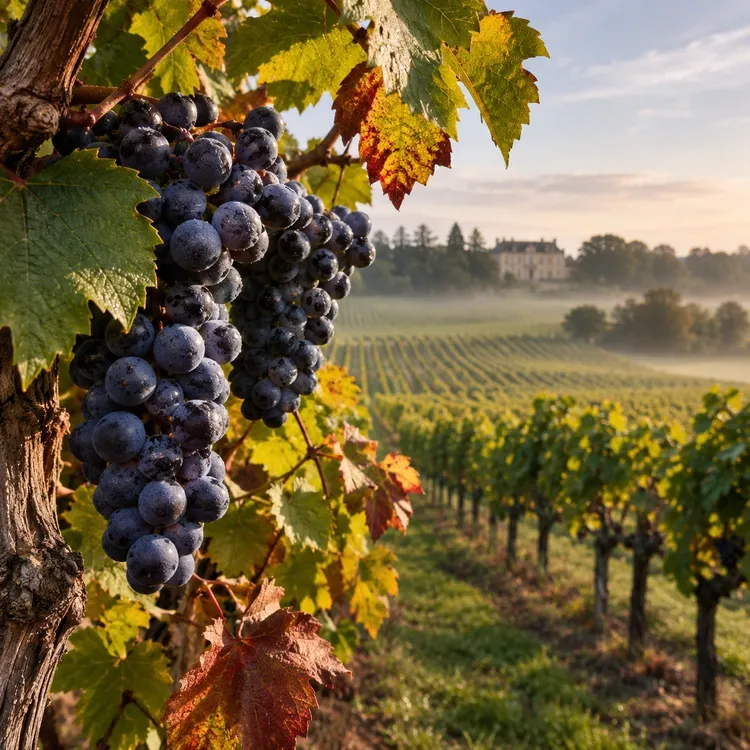
Does Wine Vintage Really Matter? A Guide to Understanding Great Years
The year printed on a wine label can influence its character, reputation and price. But understanding what makes a vintage exceptional requires looking beyond the number.
14 Oct 2026
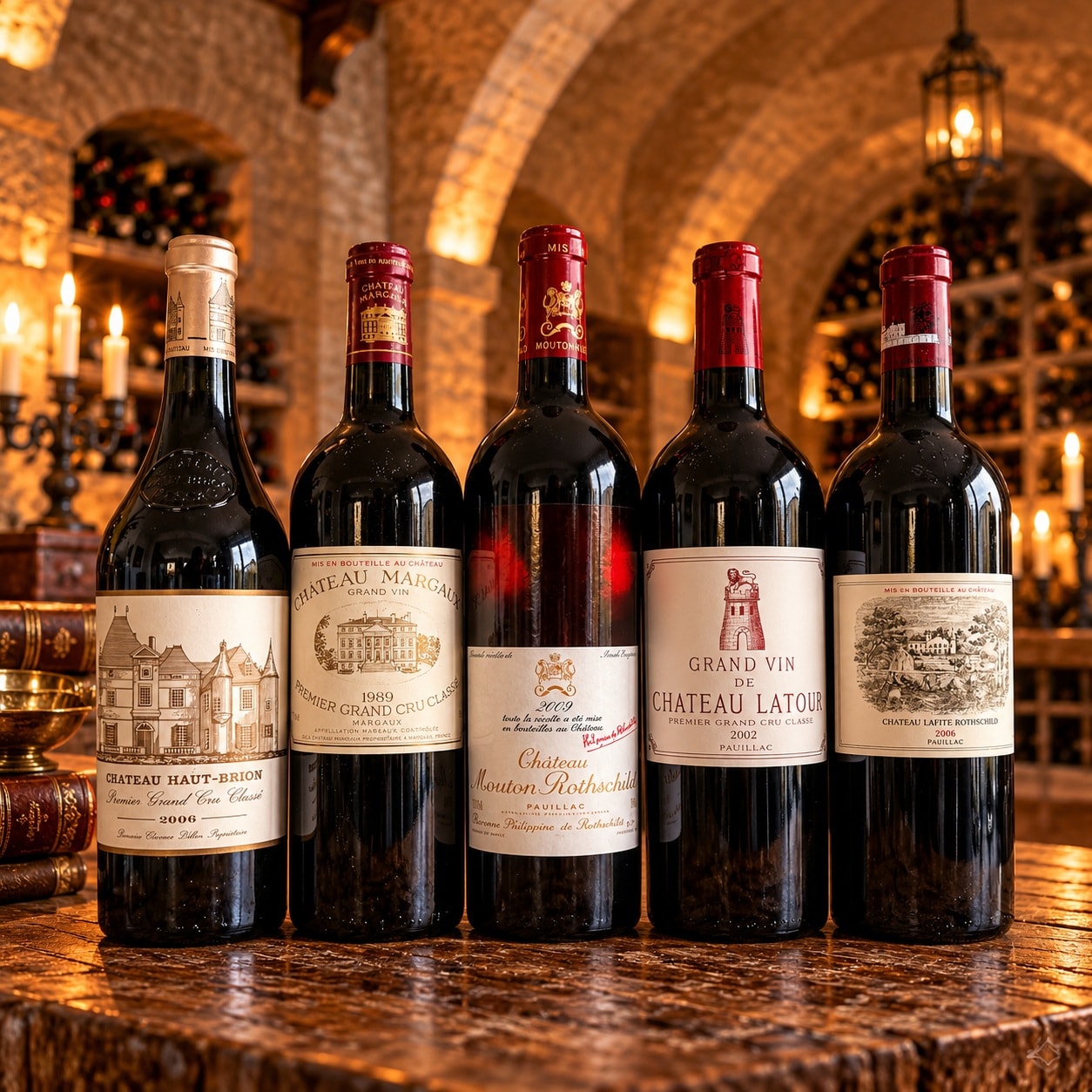
Bordeaux Wine Classifications Explained: From First Growths to Super Seconds
Discover how Bordeaux's historic wine classifications work, why some celebrated estates remain unclassified, and what the rankings really mean for quality, prestige and price.