
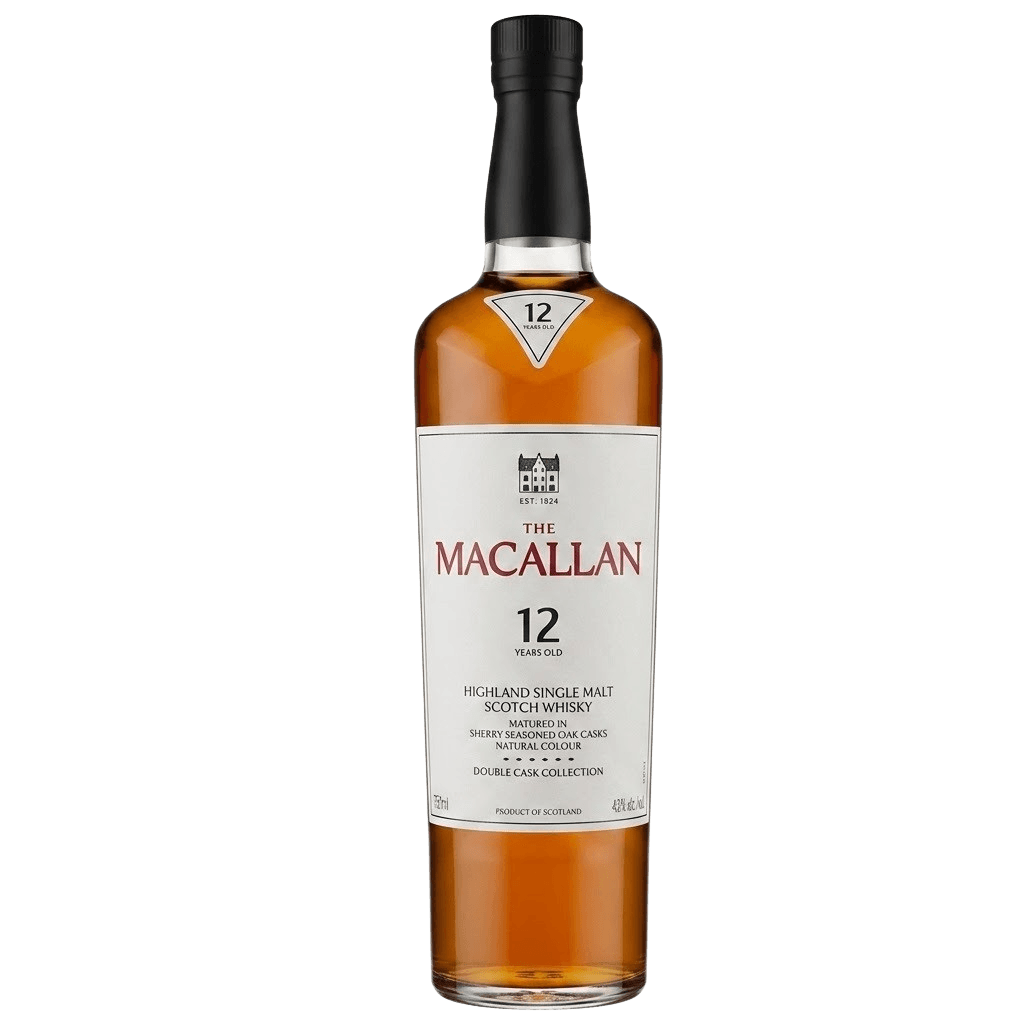
The Macallan double cask 12 years old
12y
United Kingdom
Speyside
97EUR
incl. VAT
Standard delivery 1-3 business days
Explore whisky from the world’s leading distilleries and regions, from complex Scotch single malts and Japanese whisky to rich bourbon and distinctive world whiskies.
Whisky encompasses an extraordinary range of styles shaped by raw materials, fermentation, distillation, climate and maturation. From elegant and fruit-driven single malts to richly sherried Scotch, smoky island whiskies and American bourbon matured in new oak, each expression reflects a distinctive combination of origin, production and cask influence.
Explore whisky on Sipfind by producer, region, style, age and release, discover individual expressions and compare current prices and availability from trusted whisky merchants.
Whisky is a distilled spirit produced from fermented grain and matured according to the regulations governing its country and category of origin. Barley, corn, rye and wheat are among the principal grains used, either individually or in combination.
Production begins with fermentation before the resulting liquid is distilled. The distillation method varies considerably between traditions: Scotch single malt is associated with pot stills, while other whisky categories may employ column stills or combinations of different techniques.
Maturation then becomes one of the most important influences on the finished whisky. Time, climate, warehouse conditions and the previous use and construction of the cask can all affect aroma, flavour, texture and colour.
Single Malt Scotch Whisky is produced at a single Scottish distillery from malted barley using pot stills. Individual distilleries can display markedly different identities depending on their spirit character, location and maturation programme.
Blended Scotch Whisky combines malt and grain whiskies to create a consistent house style. Blended malt, meanwhile, combines single malts from more than one distillery without grain whisky.
Bourbon is an American whiskey produced from a mash containing at least 51% corn and matured in new charred oak containers. The category often combines sweetness and ripe fruit with vanilla, caramel and oak-derived spice.
Rye whiskey places greater emphasis on rye in the mash bill and can show a distinctly spicy, structured character, although legal definitions vary between countries.
Japanese whisky has developed its own identity through detailed blending, distillation and maturation practices. Production standards and geographical requirements are governed by the rules applicable to Japanese whisky, making correct product classification important.
Irish whiskey encompasses single malt, single pot still, grain and blended styles, with production methods varying between individual distilleries and categories.
Whisky is now produced across an increasingly broad geographical landscape, including Taiwan, India, Australia and continental Europe, alongside its historic centres.
Scotland remains one of the world's most important whisky-producing countries and contains several recognised whisky regions.
Speyside has the greatest concentration of Scotch whisky distilleries and encompasses a broad range of styles, including fruit-driven malts and expressions strongly shaped by sherry-seasoned oak.
Islay is particularly associated with peated whisky, maritime character and smoke, although not every Islay whisky is heavily peated.
The Highlands cover a vast geographical area and consequently display considerable stylistic diversity rather than one uniform regional character.
The Lowlands have historically been associated with lighter whisky styles, although contemporary production is increasingly diverse.
Campbeltown, once one of Scotland's great whisky centres, retains a small but distinctive group of operating distilleries.
Scotch whisky geography should provide context rather than determine tasting notes automatically. Distillery character and maturation are generally more precise indicators of style than region alone.
The choice of grain establishes the foundation of whisky's character.
Malted barley is central to Scotch single malt and numerous other malt whiskies. Corn forms the majority of the mash in bourbon, while rye and wheat can materially influence American whiskey styles.
Fermentation creates both alcohol and flavour compounds before distillation concentrates and refines the spirit.
Copper pot stills can differ substantially in shape, size and operation, while producers also make different decisions regarding distillation speed and the selection of spirit cuts. These variables contribute to the underlying new-make spirit character before maturation begins.
This distinction is important for Sipfind:
Distillery character + maturation character = finished whisky identity.
Cask maturation is one of the defining elements of whisky.
Oak species, cask size, previous contents, seasoning, number of previous fills and maturation environment can all influence the finished spirit.
Ex-bourbon casks frequently contribute vanilla, citrus, coconut and oak characteristics, while sherry-seasoned oak can introduce dried fruit, spice and richer flavours. Other casks may previously have held wines or fortified wines, creating additional maturation possibilities.
However, terminology matters.
Sherry-seasoned ≠ sherry-finished.
A whisky matured in sherry-seasoned oak throughout its maturation should not automatically be described as having received a sherry finish.
Similarly:
Maturation ≠ finishing.
Finishing describes an additional period in a different cask after an earlier maturation stage.
These distinctions should remain explicit throughout Sipfind.
Peat can contribute smoky aromas and flavours when it is used during the drying of malted barley.
Its influence varies considerably. Some whiskies display pronounced medicinal, earthy or maritime smoke, while others use peat much more subtly.
Peat should therefore be treated as a production characteristic, not simply as a regional assumption.
An Islay whisky is not automatically heavily peated, and a whisky produced outside Islay can still have substantial peat character.
For Sipfind, actual production information should always take precedence over geographical stereotypes.
An age statement indicates the age of the youngest whisky contained in the bottle, rather than an average age.
A whisky labelled 18 Years Old, for example, may contain older whisky, but none of the whisky contributing to that expression can be younger than the stated age under the applicable regulations.
Many important whiskies carry no age statement (NAS). These expressions are defined by factors such as cask selection, flavour profile or product concept rather than a declared minimum age on the label.
Sipfind should therefore maintain a strict distinction:
Age Statement ≠ inferred age
and
NAS ≠ young whisky.
No age should ever be derived from marketing descriptions such as old stocks, rare casks or mature whisky.
Whisky requires a slightly different entity structure from wine.
Some expressions remain broadly consistent over time, while others are issued as annual releases, batches, editions or limited releases.
An expression such as The Macallan Sherry Oak 30 Years Old can therefore exist as a master product while individual named annual releases sit beneath it.
For Sipfind, the correct structure is:
Producer → Collection → Expression → Release / Batch → Merchant Offers
Release-specific information such as ABV, packaging, exact cask composition and detailed tasting profile should be stored at release level whenever those characteristics vary.
A whisky release year should not be described as a vintage unless the producer genuinely defines the whisky that way.
Additional production choices can materially influence whisky identity.
Some producers bottle whisky at natural colour, while others may use colouring where permitted by the relevant regulations.
Whiskies may be chill-filtered or non-chill-filtered, and bottling strength can range from standard strengths to cask-strength or batch-strength releases.
These characteristics should only appear on Sipfind when they are verified for the specific expression or release. They should never be inferred from the producer's general philosophy.
Whisky cannot be reduced to a single flavour spectrum.
Expressions may emphasise fresh fruit, citrus, vanilla and honey, while others develop dried fruit, chocolate, spice and rich oak through maturation.
Peated whisky can introduce earth, smoke, maritime character or medicinal notes, while American whiskey may show pronounced vanilla, caramel, sweet spice and charred oak.
The most useful way to understand whisky is therefore through the interaction of:
Raw material → fermentation → distillation → spirit character → cask → maturation → final expression
rather than assuming style solely from age, colour or geographical origin.
Sipfind brings together whiskies from leading distilleries and producers within one structured discovery experience.
Explore individual expressions, age statements, batches and releases, understand their origins, production methods and maturation, and find current prices and availability from trusted whisky merchants.
Discover whisky by producer, region, style, age and release. Compare expressions, availability and current prices from trusted whisky merchants.

Number of whisky: 59 pcs.
The Macallan double cask 12 years old
12y
United Kingdom
Speyside
incl. VAT
Standard delivery 1-3 business days
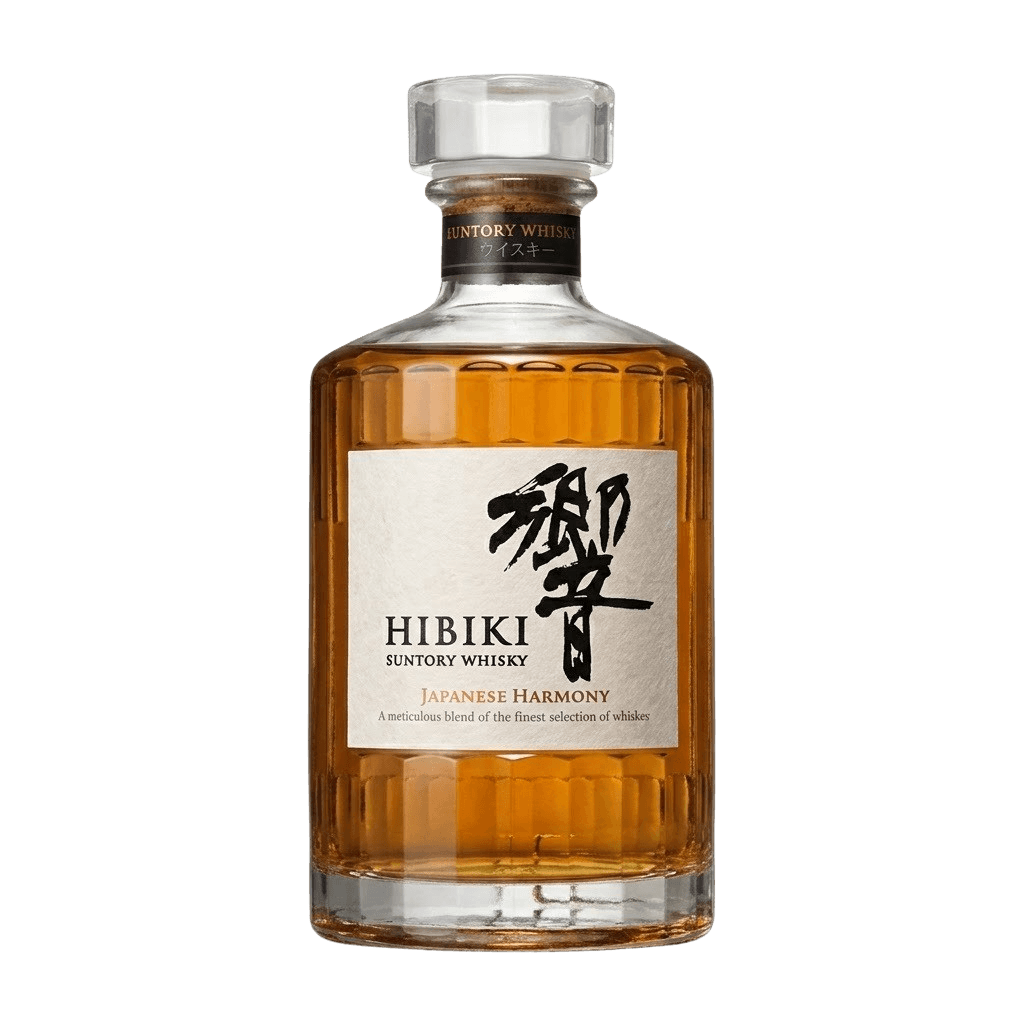
Hibiki Japanese Harmony
Default
Japan
Japan - Japan
incl. VAT
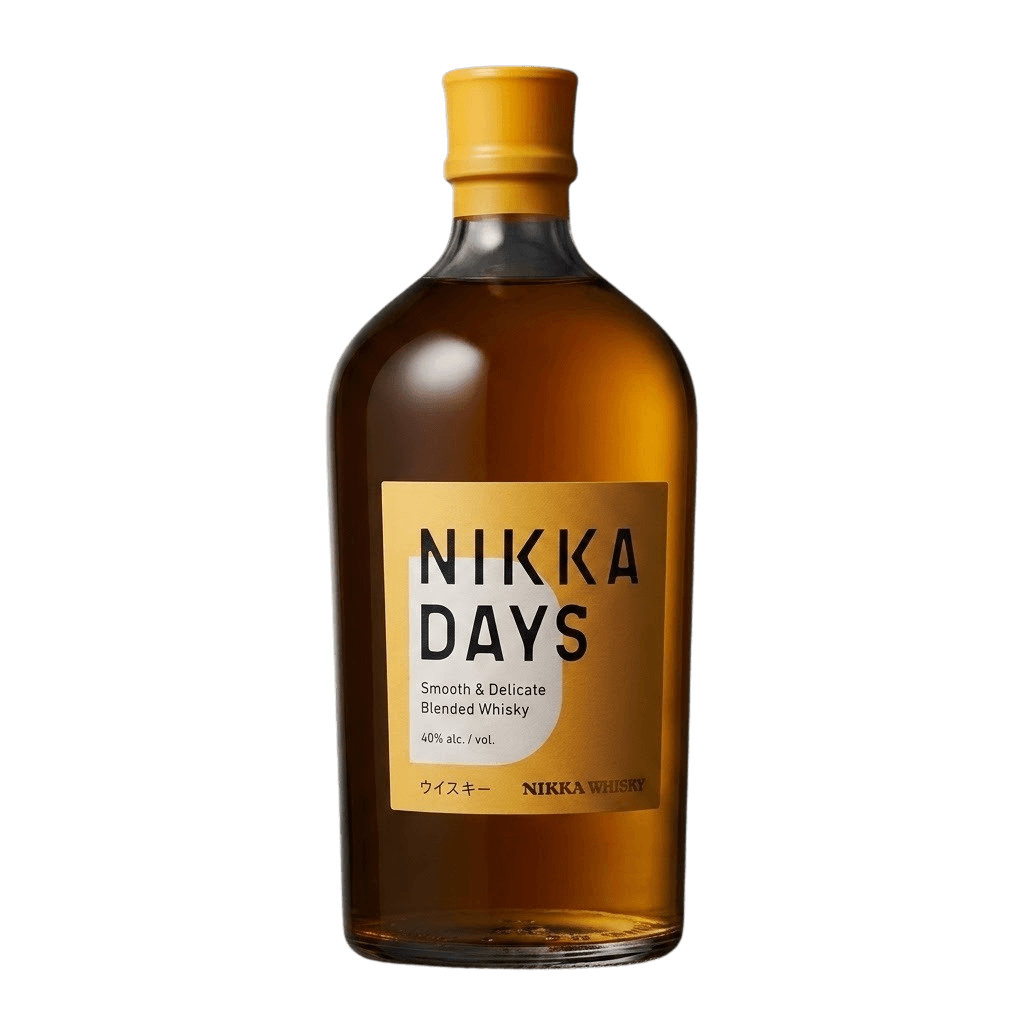
Nikka Days
Default
Japan
Japan - Japan
incl. VAT
Standard delivery 1-3 business days
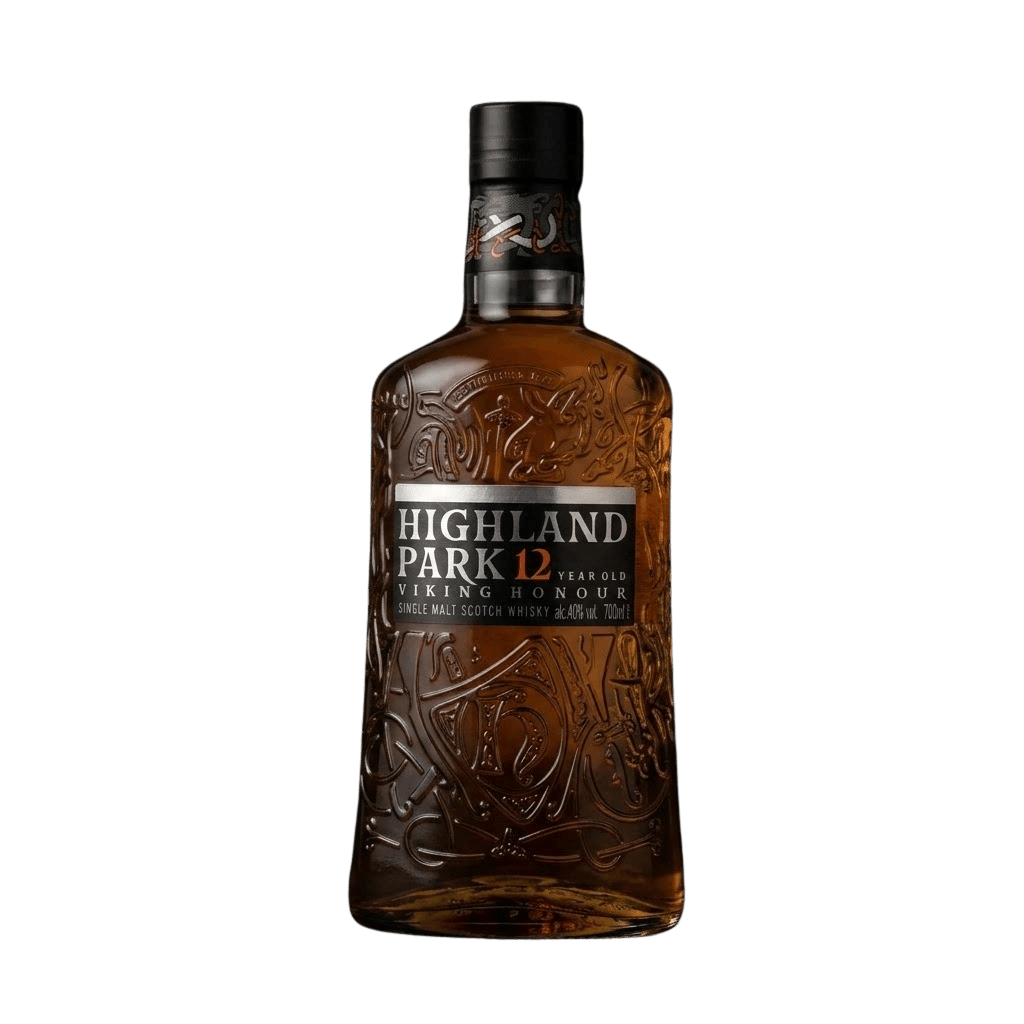
Highland Park 12
12y
United Kingdom
Highland
incl. VAT
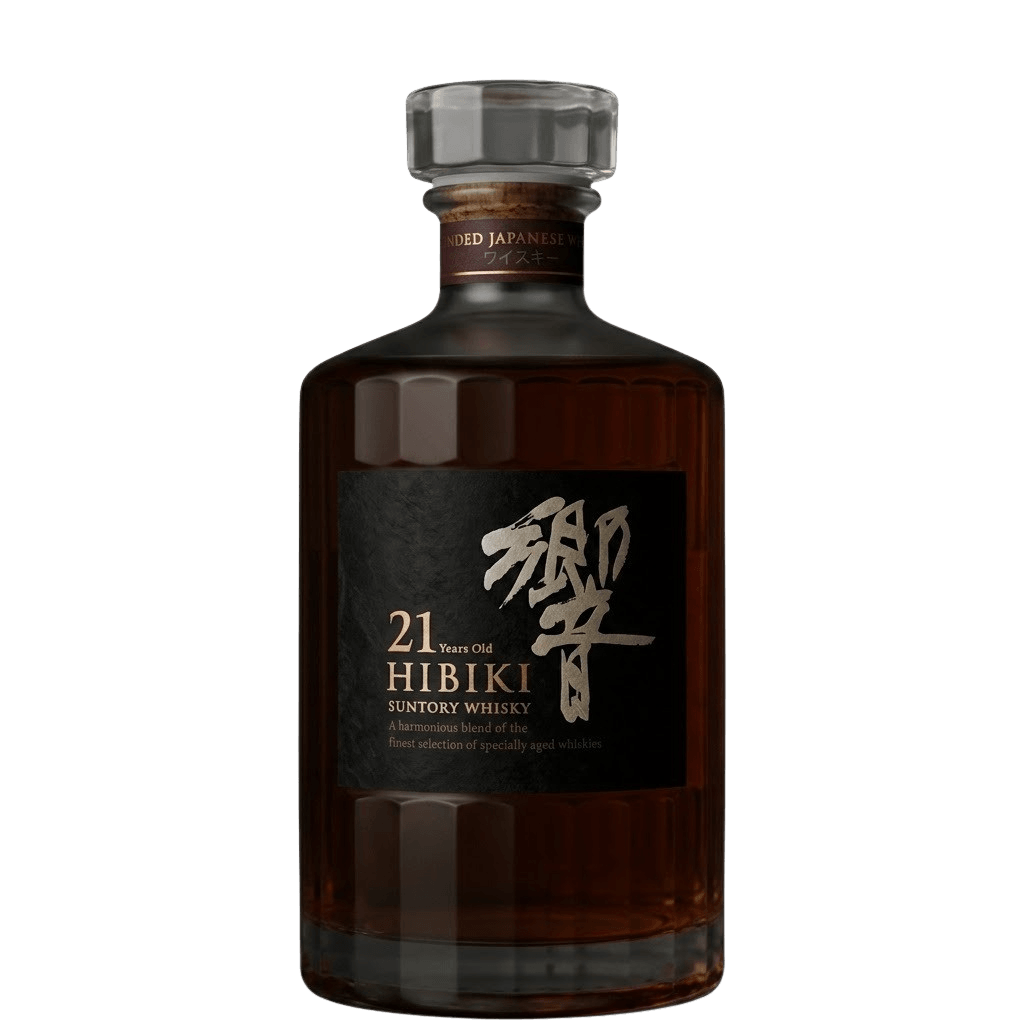
Hibiki 21
21y
Japan
Japan - Japan
incl. VAT
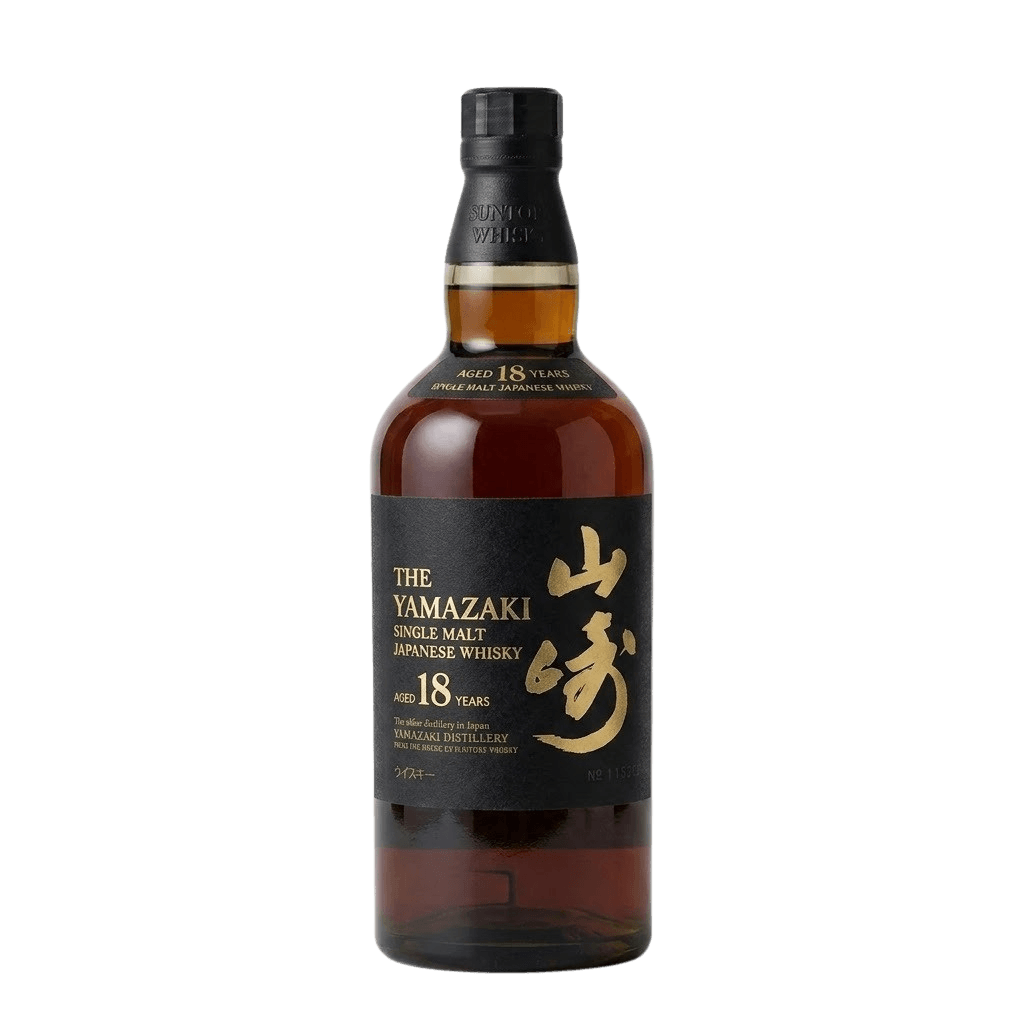
Yamazaki 18
18y
Japan
Japan - Japan
incl. VAT
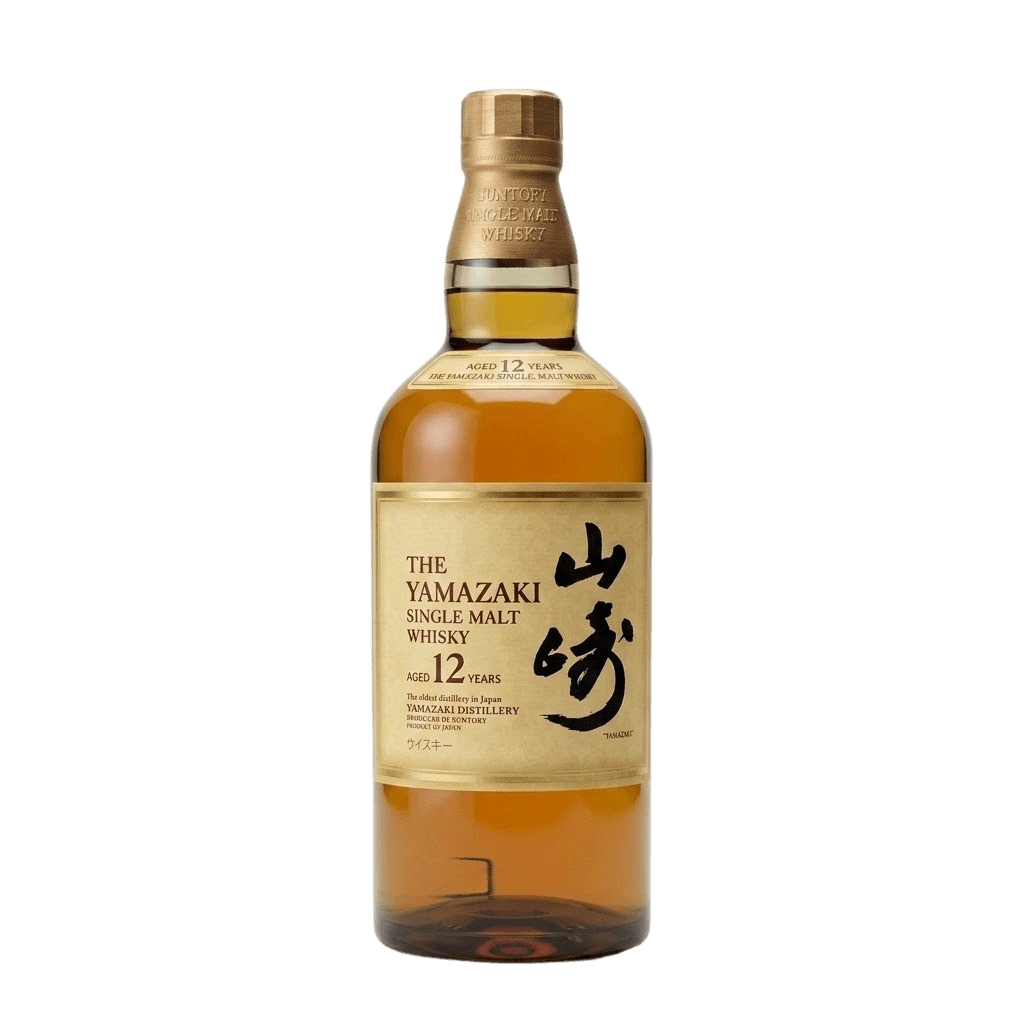
Yamazaki 12
12y
Japan
Japan - Japan
incl. VAT
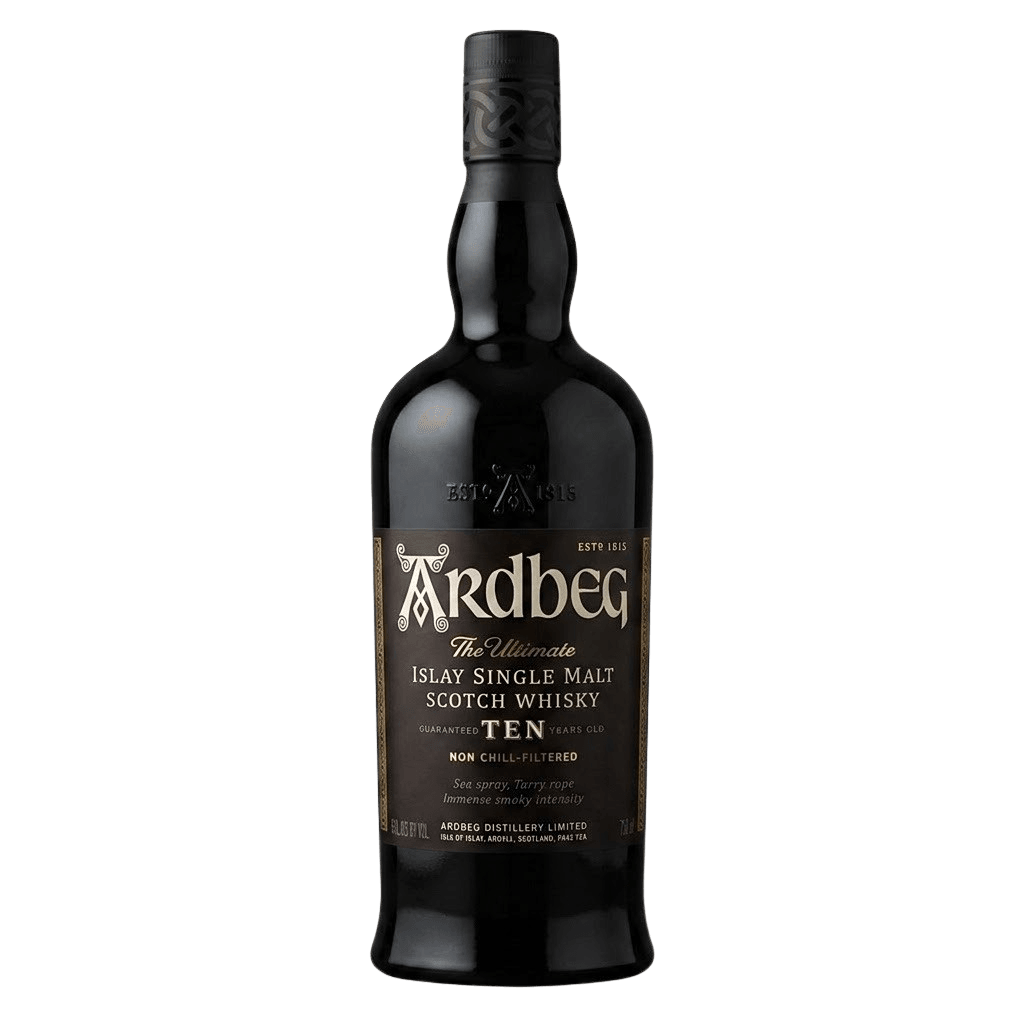
Ardbeg 10
10y
United Kingdom
Islay
incl. VAT
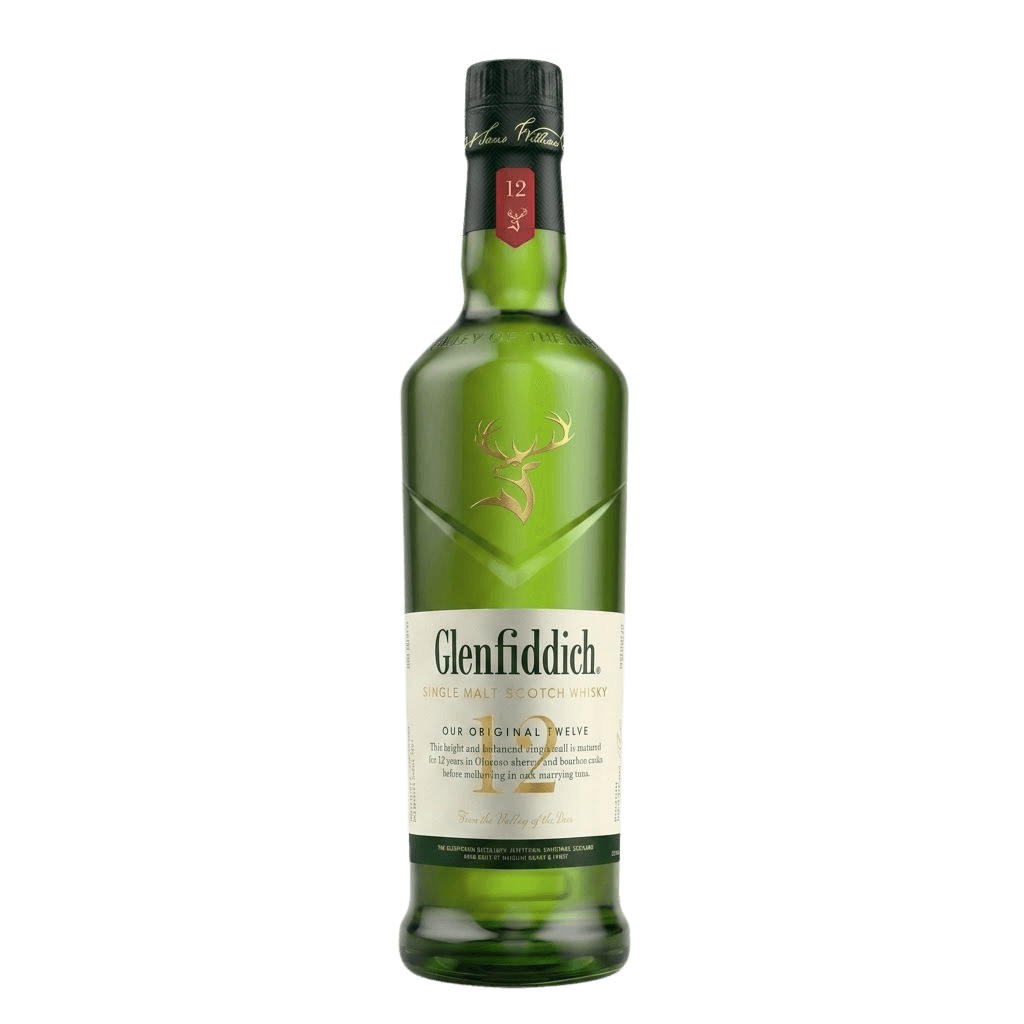
Glenfiddich 12 Year Old
12y
United Kingdom
Speyside
incl. VAT
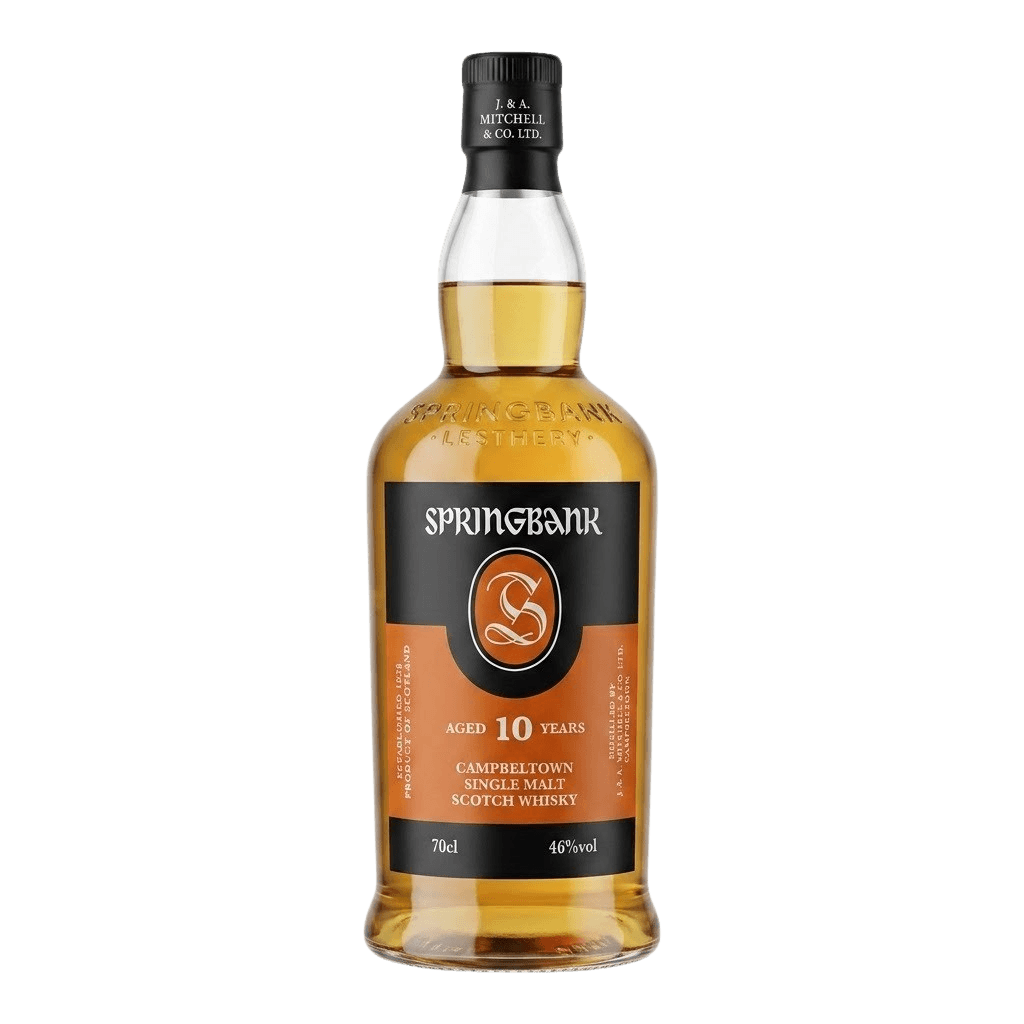
Springbank 10
10y
United Kingdom
Campbeltown
incl. VAT
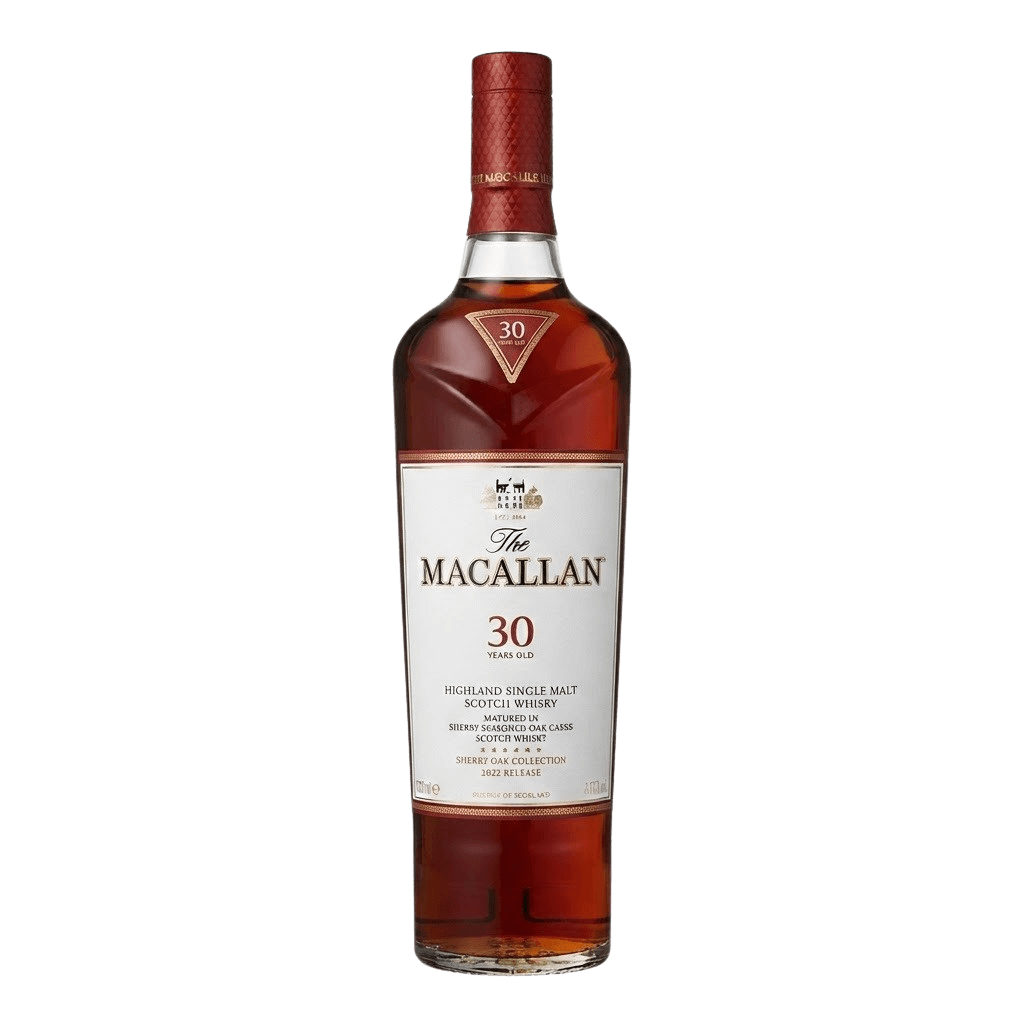
The Macallan Sherry Oak 30 Years Old
30y
United Kingdom
Speyside
incl. VAT
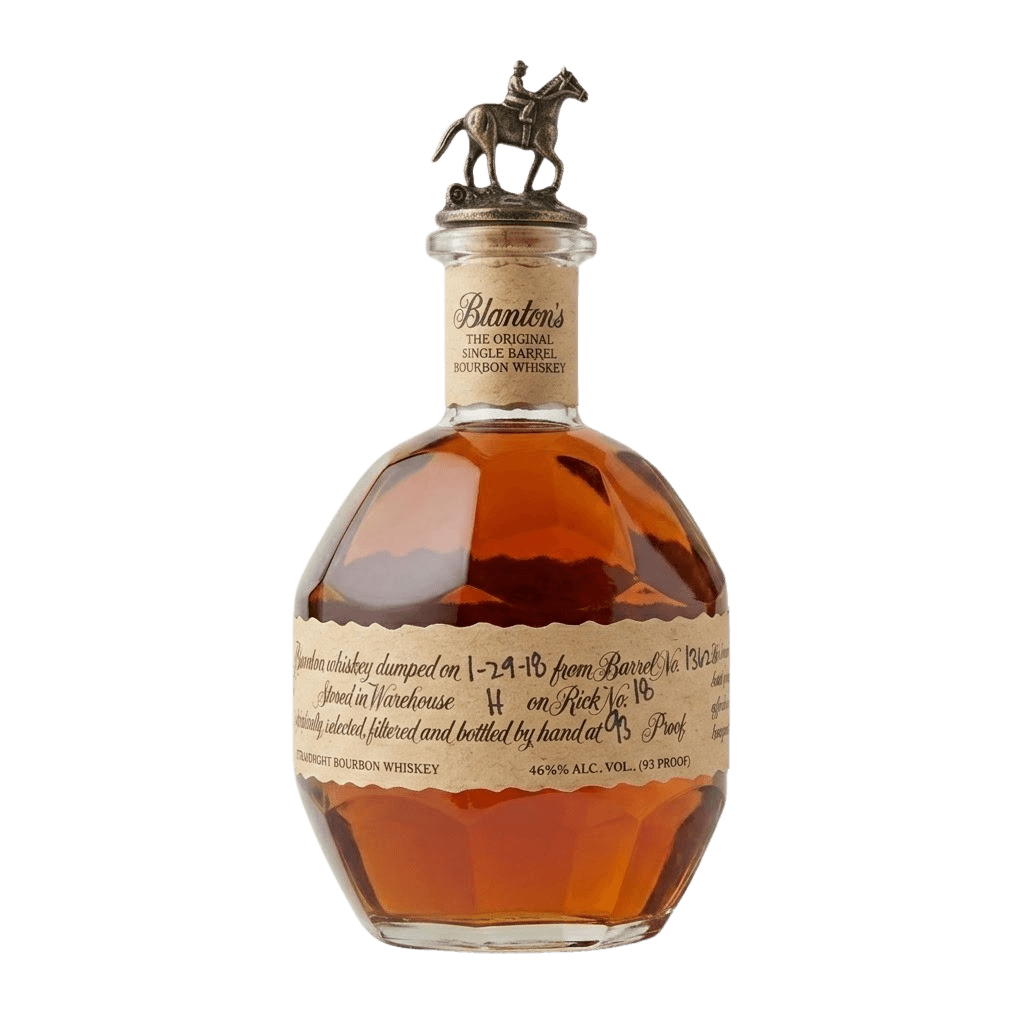
Blanton´s Original
Default
United States
Kentucky
incl. VAT
Standard delivery 1-3 business days