
23 Oct 2026
Does Wine Vintage Really Matter? A Guide to Understanding Great Years
The year printed on a wine label can influence its character, reputation and price. But understanding what makes a vintage exceptional requires looking beyond the number.
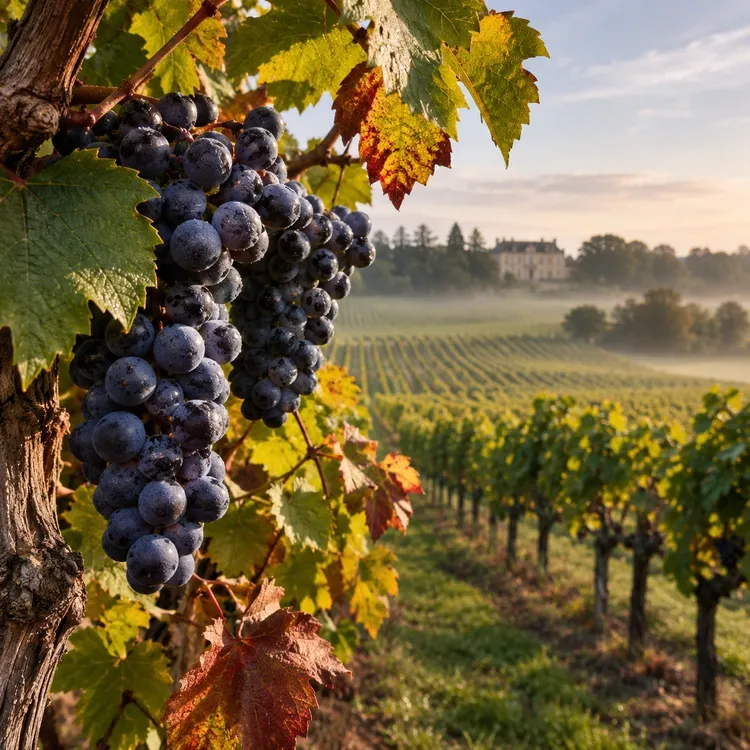
For anyone exploring fine wine, the vintage is one of the first details that attracts attention. A Château Margaux 2015 may command a different price from the same wine produced in 2017. A Burgundy from a celebrated growing season may become highly sought-after, while another year offers a different expression of the same vineyard.
Yet a prestigious vintage does not automatically guarantee a better drinking experience.
The relationship between vintage, quality and value is considerably more nuanced. Climate, vineyard location, grape variety, winemaking decisions and bottle age all contribute to the final result.
Understanding these factors can help wine enthusiasts interpret vintage ratings, compare bottles more intelligently and discover exceptional wines beyond the most celebrated years.
What Does Vintage Mean in Wine?
A wine's vintage is the year in which the grapes were harvested.
For example, a bottle labelled 2019 Bordeaux was produced primarily from grapes harvested during the 2019 growing season.
The vintage does not refer to the year the wine was bottled or released. Some wines spend several years ageing before reaching the market.
Vintage information is particularly important for fine wines produced in regions where growing conditions can vary significantly from year to year.
In Bordeaux, Burgundy and many other European regions, seasonal differences in temperature, rainfall and sunlight can influence grape ripeness, acidity, tannin development and ultimately the style of the finished wine.
However, not every wine carries a vintage.
Non-vintage Champagne, for example, is commonly blended from wines produced in different years to achieve a consistent house style.
The essential distinction: A vintage identifies the harvest year, not an independent guarantee of quality.
Why Do Some Wine Years Become Legendary?
Every growing season presents a different combination of weather conditions.
An outstanding vintage generally results from favourable conditions throughout the vine's annual cycle, rather than simply a particularly hot or sunny summer.
Several factors are especially important.
Spring Conditions and Flowering
The growing season begins well before grapes start to ripen.
Spring temperatures influence budburst and early vine development. Frost can damage young shoots, while excessive rain or cold conditions during flowering may reduce fruit set.
A difficult spring can limit yields or create uneven grape development.
Summer Temperatures and Sunlight
Sunlight supports photosynthesis and the accumulation of sugars and flavour compounds.
Warm weather can encourage ripening, but excessive heat may accelerate sugar development faster than other components of grape maturity.
Water availability is equally important. Moderate water stress can help regulate vine growth, while severe drought may interrupt ripening.
Rainfall Before Harvest
The final weeks before harvest can be decisive.
Persistent rain may increase disease pressure and affect grape concentration, particularly when fruit is close to maturity.
Conversely, favourable late-season conditions can allow producers to choose their preferred picking dates with greater precision.
Harvest Timing
The decision to harvest involves balancing several factors, including sugar ripeness, acidity, flavour development and tannin maturity.
Two estates in the same appellation may make different choices, even when experiencing similar weather.
This is one reason wines from the same vintage can vary substantially in style and quality.
Why Vintage Matters More in Some Regions
The influence of vintage is not uniform across the wine world.
It tends to be particularly noticeable in regions where seasonal weather variability has historically played an important role in grape ripening.
Bordeaux: Structure, Ripeness and Ageing Potential
Bordeaux provides one of the clearest examples of vintage variation.
Its maritime climate creates growing seasons that can differ in rainfall, temperature and harvest conditions.
In successful years, Cabernet Sauvignon, Merlot and other permitted varieties can achieve the balance of ripeness, acidity and tannin required for long-lived wines.
However, the Left Bank and Right Bank do not always respond identically to a growing season.
Cabernet Sauvignon-dominant wines may benefit from conditions that differ from those favouring Merlot.
Consequently, a vintage regarded as exceptional for one part of Bordeaux may be less consistent elsewhere.
The reputation of the year provides useful context, but the individual château remains fundamental.
Burgundy: Small Differences, Significant Consequences
In Burgundy, vintage variation can be especially revealing.
Pinot Noir and Chardonnay are sensitive to growing conditions, and differences in vineyard exposure, drainage and elevation can become particularly important.
A difficult growing season may produce highly variable results across neighbouring vineyards.
Equally, an excellent producer working in a less celebrated year may create a wine of remarkable finesse.
For Burgundy enthusiasts, understanding the relationship between producer, vineyard and vintage is often more valuable than relying on a regional vintage score alone.
Champagne: Vintage and Non-Vintage Styles
Champagne offers a different perspective.
Many of the region's best-known wines are non-vintage blends, assembled to express a consistent house style.
Vintage Champagne is generally produced when a house or grower decides that a particular harvest merits a distinct expression.
However, vintage declarations are producer decisions rather than a universal regional judgement.
One Champagne house may release a vintage wine from a year that another chooses not to declare.
The absence of a vintage on a Champagne label should therefore not be interpreted as an indication of inferior quality.
Tuscany and Napa Valley: Different Climatic Influences
In Tuscany, growing conditions influence the ripeness and acidity of Sangiovese and international grape varieties.
In Napa Valley, warm days, cooling influences and vineyard location can contribute to the development of Cabernet Sauvignon.
Vintage differences remain relevant in both regions, although their effects may differ from those experienced in Bordeaux or Burgundy.
The broader lesson is that vintage quality must always be understood within the context of the region and wine style.
Does a Great Vintage Always Produce a Great Wine?
No.
A celebrated vintage creates favourable opportunities, but the producer must still translate those conditions into the finished wine.
Vineyard management, harvesting decisions, fruit selection and cellar practices all influence the result.
An outstanding estate may produce an excellent wine in a challenging year through careful vineyard work and rigorous selection.
Conversely, favourable weather cannot compensate for every weakness in vineyard management or winemaking.
The reputation of a vintage describes general growing conditions and regional outcomes. It does not replace an assessment of the individual wine.
This distinction is particularly important when comparing expensive bottles.
A famous vintage from a lesser producer is not automatically superior to a less celebrated vintage from an exceptional estate.
How Vintage Influences Wine Ageing
Vintage can affect not only how a wine tastes when young but also how it develops over time.
For age-worthy red wines, the relationship between fruit concentration, acidity, tannin and alcohol helps determine the wine's structure.
These components can influence how the wine evolves during bottle ageing.
However, ageing potential is not determined by vintage alone.
Grape variety, producer, winemaking style, closure and storage conditions also matter.
A structured Bordeaux from a highly regarded year may require substantial time before reaching its preferred drinking window.
A wine from a lighter or more approachable vintage may offer greater enjoyment earlier.
Neither outcome is inherently better.
The appropriate choice depends on whether the bottle is intended for immediate drinking, medium-term cellaring or long-term collection.
Great Wine Is Not Always Ready to Drink
One of the most common misunderstandings in fine wine is assuming that the most highly regarded vintage will also deliver the most enjoyable experience today.
Some acclaimed wines can remain youthful and tightly structured for many years.
Meanwhile, an older bottle from a less celebrated vintage may already have developed attractive secondary and tertiary characteristics.
These can include notes associated with ageing, such as tobacco, leather, forest floor or dried fruit, depending on the wine.
For collectors and enthusiasts, the question is therefore not simply which vintage is best.
It is also which vintage is best suited to the intended drinking occasion.
Why Do Different Vintages Have Different Prices?
Vintage reputation can influence the market value of fine wine.
When a growing season receives widespread critical acclaim, demand may increase for wines produced in that year.
Collectors may seek particular vintages because of their perceived quality, ageing potential or historical significance.
However, vintage reputation is only one component of price.
Other important factors include:
- Producer reputation and vineyard classification.
- Production volume and market availability.
- Critical assessments and collector demand.
- Bottle age, provenance and storage history.
- Merchant pricing and geographical market differences.
A highly regarded vintage with limited availability may command a substantial premium.
Yet a less celebrated year from the same producer may offer a different drinking profile at a lower market price.
This is where understanding vintage variation becomes particularly useful.
Rather than treating the most expensive year as the obvious choice, buyers can compare several vintages and consider whether the price difference reflects qualities they personally value.
Are Wine Vintage Charts Reliable?
Vintage charts can provide a useful introduction to regional growing conditions.
They typically summarise the perceived quality of harvest years using numerical scores, descriptive ratings or recommended drinking windows.
For someone beginning to explore Bordeaux or Burgundy, such charts can help identify broad patterns.
However, they have important limitations.
A single regional score may conceal significant differences between appellations, grape varieties and producers.
A Bordeaux vintage rating, for example, may not accurately describe every wine from the Médoc, Saint-Émilion, Pomerol and Pessac-Léognan.
Similarly, a Burgundy vintage chart may not fully capture the differences between individual vineyards or between red and white wines.
Vintage charts are therefore best treated as starting points rather than definitive purchasing guides.
Producer-specific information, independent tasting assessments and the wine's current maturity provide a more complete picture.
Can a Lesser-Known Vintage Offer Better Value?
Absolutely.
Some of the most interesting opportunities in fine wine arise when a vintage receives less attention than the region's most celebrated years.
This does not mean every overlooked vintage represents good value.
It means the relationship between reputation, drinking quality and market price deserves closer examination.
Consider two vintages from the same château.
One may be widely recognised as a benchmark year and attract strong collector demand.
The other may have received less publicity but offer an appealing style and an earlier drinking window.
For someone intending to enjoy the wine rather than hold it for decades, the second bottle may be a more suitable choice.
The important distinction is between the most prestigious vintage and the most appropriate vintage for a particular buyer.
These are not necessarily the same.
How to Compare Wine Vintages Intelligently
A useful vintage comparison begins with the producer and the individual wine.
First, examine how the growing season influenced the region and appellation.
Next, consider whether the producer's style and grape composition were particularly well suited to those conditions.
Then evaluate the wine's maturity.
A bottle intended for drinking this year should be assessed differently from one intended for long-term cellaring.
Finally, compare current merchant offers.
The market price of a vintage can vary between retailers, and the lowest available offer may differ by country.
For premium wines, bottle condition, provenance and storage history should also be considered where relevant.
The objective is not simply to identify the highest-rated year.
It is to understand what each vintage offers and how its price compares with the alternatives.
The Role of Vintage in Fine Wine Collecting
For collectors, vintage is often a central part of a wine's identity.
Certain harvest years become reference points because they are associated with exceptional growing conditions or particularly successful wines.
Over time, these vintages may develop historical significance within a producer's portfolio.
Yet collectors must also consider practical factors.
A wine's potential longevity is not a guarantee of future quality, and storage conditions can materially affect its development.
Similarly, the financial value of a collectible bottle depends on market demand, authenticity, provenance and condition, not simply the year on its label.
Vintage reputation can influence collectability, but it should never be considered in isolation.
Final Thoughts: The Best Vintage Depends on the Wine
Vintage matters because wine is an agricultural product shaped by the conditions of a particular growing season.
It can influence ripeness, structure, balance, ageing potential and market reputation.
But vintage is only one part of a much larger picture.
Producer quality, vineyard location, grape variety, winemaking decisions and bottle maturity all contribute to the final experience.
A legendary year can produce extraordinary wines, but a less celebrated vintage may offer greater drinking pleasure or more attractive value.
For anyone exploring premium wine, understanding vintage is not about memorising lists of supposedly perfect years.
It is about learning how different harvests express the character of a wine — and recognising that the most famous vintage is not always the most suitable choice.
Explore different vintages, compare available merchant offers and discover how prices vary across Europe's specialist wine retailers with Sipfind.
Fler inlägg
30 Oct 2026
Burgundy vs Bordeaux
Burgundy and Bordeaux have shaped the world of fine wine for centuries, yet their traditions are fundamentally different. From Burgundy’s vineyard-focused classifications and single-variety wines to Bordeaux’s celebrated estates and blending traditions, discover what distinguishes these two historic French wine regions.
14 Oct 2026
Bordeaux Wine Classifications Explained: From First Growths to Super Seconds
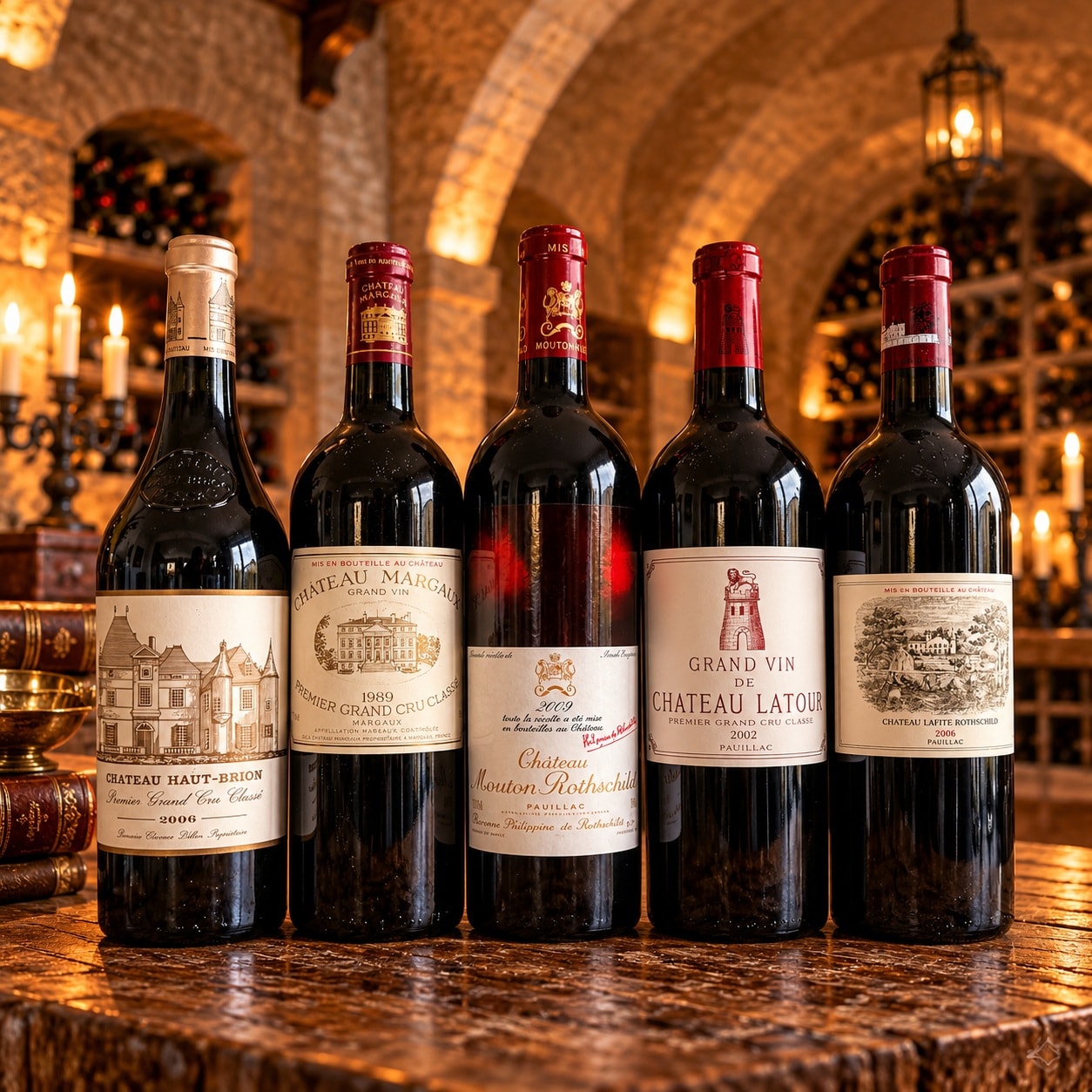
Discover how Bordeaux's historic wine classifications work, why some celebrated estates remain unclassified, and what the rankings really mean for quality, prestige and price.
14 Oct 2026
Château Pontet-Canet: The Fifth Growth with Super Second Ambitions
How a historic Pauillac estate challenged Bordeaux conventions, embraced biodynamic viticulture and earned a reputation that extends far beyond its 1855 classification.