
16 Jun 2026
How to Find a Red Wine with Balance Rather Than Power
Great red wine is not necessarily defined by intensity. Often, the most compelling bottles are those in which fruit, acidity, tannins and structure work together in harmony.
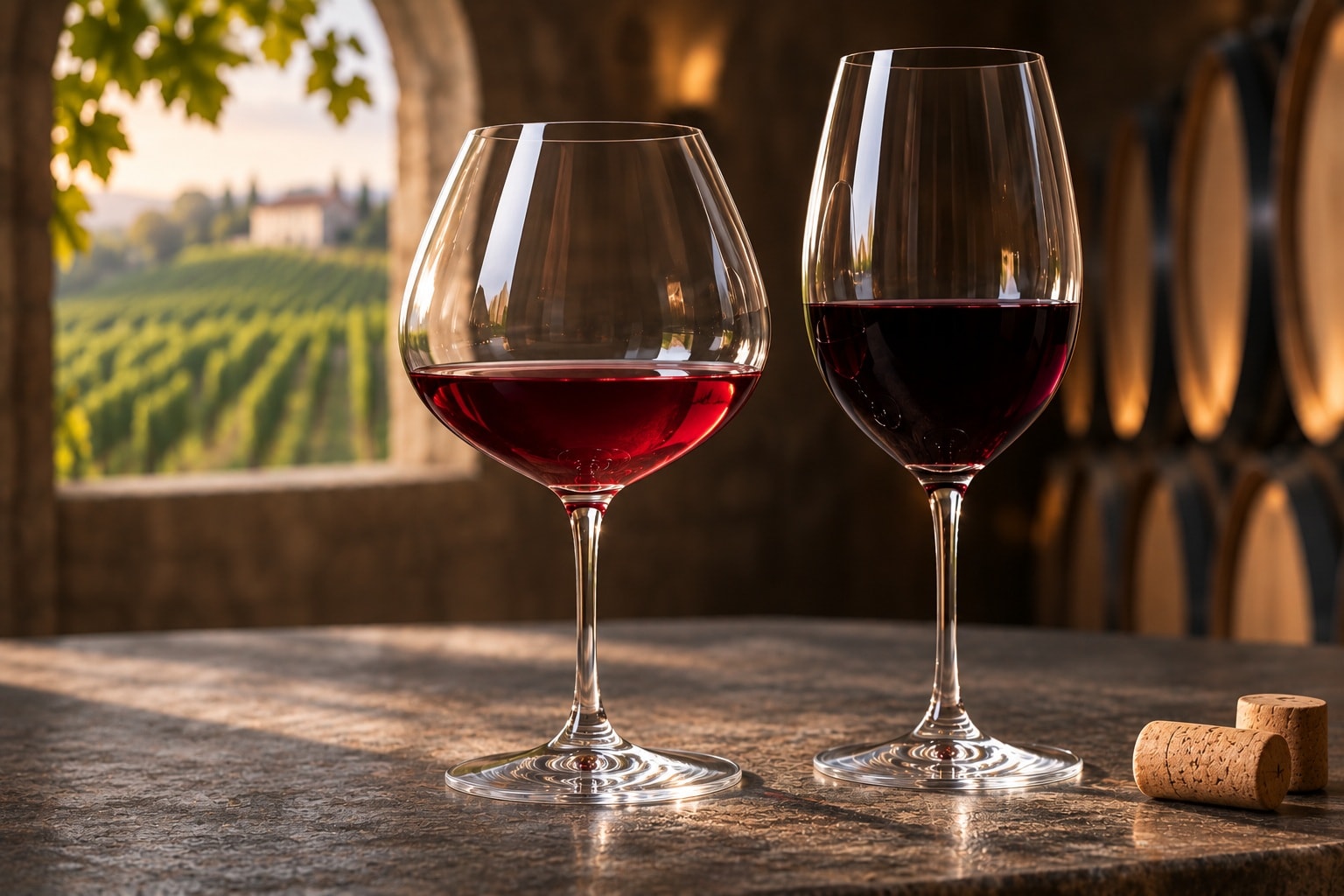
When choosing a red wine, it is easy to focus on familiar grape varieties, prestigious appellations or price. Yet these details do not always reveal how a wine will actually taste.
Two wines made from the same grape variety can offer remarkably different experiences. One may be rich, concentrated and powerful, while another expresses freshness, elegance and finely integrated tannins.
Neither style is inherently superior. However, for those who appreciate nuance, precision and versatility at the table, balance is often a more useful consideration than sheer intensity.
Understanding how climate, vineyard location, grape variety and winemaking decisions influence a wine's character can make it easier to identify bottles that prioritise harmony over power.
What Does Balance Mean in Red Wine?
Balance describes the relationship between the different structural and flavour components of a wine.
In red wine, these typically include fruit concentration, acidity, tannins, alcohol and, where relevant, oak influence.
A balanced wine does not necessarily have low alcohol, delicate flavours or a light body.
Instead, its components complement one another without any single element dominating the overall experience.
A full-bodied Cabernet Sauvignon can be beautifully balanced when its ripe fruit, tannic structure, acidity and alcohol are proportionate.
Equally, a lighter Pinot Noir may achieve balance through freshness, subtle fruit concentration and fine tannins.
Balance is not the absence of power. It is the integration of a wine's different elements.
This distinction is particularly important when exploring premium wines, where intensity and concentration are sometimes mistaken for quality in themselves.
Why Acidity Matters
Acidity is one of the defining structural elements of wine.
It contributes freshness, influences how flavours are perceived and can help a wine maintain its sense of vitality.
In red wines with substantial fruit concentration, sufficient acidity can prevent the overall impression from becoming excessively heavy.
However, acidity should not be considered independently.
A wine with pronounced acidity but insufficient fruit or texture may feel sharp rather than elegant.
The objective is harmony between acidity and the wine's other components.
For those seeking a fresher style of red wine, tasting descriptions containing terms such as vibrant, fresh, lively or precise may offer useful clues.
These descriptions are subjective, but they can help indicate the intended style.
The Importance of Fine Tannins
Tannins are naturally occurring compounds found in grape skins, seeds and stems, as well as in oak used during maturation.
They contribute texture, structure and the drying sensation often associated with red wine.
The quantity of tannin is important, but its character can be equally significant.
A wine may contain substantial tannins while still feeling refined if their texture is well integrated with the fruit and acidity.
Conversely, a relatively light wine can feel unbalanced when its tannins are coarse or overly drying.
Descriptions such as fine-grained, silky, polished or well-integrated tannins often suggest a smoother structural impression.
However, these terms should not be interpreted as guarantees of quality.
Tannin perception also changes as wine matures, making bottle age another consideration when choosing a red wine.
How Climate Influences Wine Style
Climate plays an important role in determining grape ripeness and the balance between sugar, acidity and flavour development.
In cooler growing conditions, grapes may retain higher acidity and develop a different flavour profile from those grown in warmer environments.
Wines from cooler sites can therefore display greater freshness, although the outcome depends on the grape variety, vintage and producer.
Warmer conditions can encourage greater sugar accumulation, potentially resulting in higher alcohol levels and riper fruit characteristics.
Yet the relationship is not absolute.
Vineyard exposure, altitude, soil, seasonal weather and harvest timing can all modify the influence of regional climate.
It would therefore be misleading to assume that every cool-climate wine is elegant or that every warm-climate wine is powerful.
The most useful approach is to consider climate alongside the individual producer's style.
Why Vineyard Altitude Can Make a Difference
Altitude can influence vineyard temperatures, sunlight exposure and the rate at which grapes ripen.
In some regions, higher-elevation vineyards experience cooler conditions that help preserve acidity during ripening.
This can contribute to wines with freshness and a sense of precision.
However, altitude alone does not determine wine quality or style.
Slope orientation, local climate, wind exposure and vineyard management all matter.
A high-altitude vineyard in one region may experience very different conditions from a similarly elevated site elsewhere.
Altitude is therefore a useful clue rather than a universal indicator of elegance.
Grape Varieties Associated with Elegance
Certain grape varieties are frequently associated with red wines that emphasise freshness, aromatic complexity or refined structure.
Nevertheless, producer style and growing conditions remain essential.
Pinot Noir: Fragrance and Precision
Pinot Noir is widely associated with wines that combine aromatic detail, freshness and relatively delicate colour.
In Burgundy, the variety can produce wines ranging from light and approachable to highly structured and age-worthy.
Red-fruit aromas, floral notes and fine tannins are commonly associated with the variety, although individual expressions vary considerably.
For those seeking a nuanced red wine, Pinot Noir can be an interesting starting point.
Nebbiolo: Structure Without Excessive Weight
Nebbiolo illustrates why elegance should not be confused with softness.
The variety can produce wines with substantial tannins and pronounced acidity, particularly in Barolo and Barbaresco.
Despite this structure, Nebbiolo wines may display remarkable aromatic delicacy, including floral, red-fruit and savoury characteristics.
Their appeal often lies in the contrast between aromatic refinement and firm structural elements.
Many examples benefit from bottle ageing before their tannins become more approachable.
Sangiovese: Freshness and Savoury Character
Sangiovese, particularly in Tuscany, can produce wines characterised by vibrant acidity, red-fruit flavours and savoury complexity.
Its style varies across appellations, vineyard sites and producers.
Some expressions emphasise freshness and restraint, while others offer greater concentration and oak influence.
Understanding the producer's approach is therefore especially useful when choosing between different Sangiovese wines.
Cabernet Franc: Aromatic Definition
Cabernet Franc can offer an appealing combination of freshness, red or dark fruit, herbal characteristics and moderate to substantial structure.
In the Loire Valley, it is frequently associated with styles that emphasise aromatic clarity and acidity.
However, Cabernet Franc can also produce rich, concentrated wines in warmer regions.
As with other varieties, the grape name alone does not determine the finished wine's balance.
Wine Regions Worth Exploring
Several established wine regions offer compelling examples of red wines in which balance and refinement are central to the style.
Burgundy, France
Burgundy is an important reference point for those interested in Pinot Noir.
The region's emphasis on vineyard origin and differences between individual sites makes it particularly useful for exploring how terroir influences wine character.
The best examples can combine aromatic complexity, freshness, texture and ageing potential without relying on excessive concentration.
Barolo and Barbaresco, Italy
These neighbouring Piedmont appellations demonstrate how a wine can possess significant structure while remaining aromatically refined.
Nebbiolo's combination of acidity, tannins and complex aromas makes these regions especially interesting for enthusiasts who value depth alongside elegance.
However, young wines can be notably firm, and maturity should be considered when selecting a bottle.
Chianti Classico, Italy
Chianti Classico offers a broad range of Sangiovese-based wines.
Many examples combine fresh acidity, red-fruit character and savoury complexity.
Producer differences are substantial, making it worthwhile to examine individual estates rather than relying exclusively on the appellation.
Loire Valley, France
The Loire Valley offers several red-wine styles that can appeal to those seeking freshness and aromatic definition.
Cabernet Franc from appellations such as Chinon and Bourgueil can display appealing fruit, herbal complexity and structured but relatively fresh profiles.
The precise style depends on vineyard conditions, vintage and winemaking decisions.
Bordeaux, France
Bordeaux is often associated with powerful, age-worthy red wines.
Yet the region also produces wines in which freshness, proportion and restrained extraction are central to the producer's approach.
A balanced Bordeaux can combine substantial structure with aromatic precision and a long, composed finish.
For this reason, it is important not to dismiss Bordeaux when searching for elegance.
Why Producer Style Matters More Than Many Buyers Realise
The producer's approach can be just as important as the grape variety or region.
Decisions made in the vineyard and cellar influence how a wine expresses its natural characteristics.
Harvest timing affects ripeness and acidity.
Fermentation and extraction methods influence colour, tannin and flavour development.
Oak maturation can contribute additional aromas and texture, but excessive oak influence may obscure the wine's fruit and sense of origin.
Producers seeking a more restrained expression may favour approaches that preserve freshness and avoid unnecessary extraction.
However, restrained extraction does not automatically create a balanced wine.
The objective remains to achieve a coherent relationship between fruit, structure and texture.
When researching a producer, it can therefore be useful to look beyond general descriptions and examine how the estate approaches harvesting, extraction and maturation.
How to Recognise a Balanced Red Wine from Tasting Notes
Tasting notes can provide useful indications of wine style, particularly when direct tasting is not possible.
For wines that emphasise freshness and refinement, look for descriptions that discuss the relationship between structural elements rather than simply the intensity of flavour.
Terms such as fresh acidity, fine tannins, restrained oak, aromatic precision and integrated structure may indicate a balanced style.
Descriptions referring to ripe fruit, powerful extraction or full body are not necessarily negative.
They may simply suggest a different expression.
It is also worth considering the wine's age.
A young wine with firm tannins may become more harmonious with appropriate cellaring, while an older wine may already display the integration sought by the drinker.
Ultimately, tasting notes are interpretations rather than objective measurements.
Comparing descriptions from several knowledgeable sources can provide a more rounded impression.
Why Balanced Wines Can Work Particularly Well with Food
The relationship between wine and food depends on acidity, tannins, alcohol, body and the flavours of the dish.
Wines with freshness and proportionate structure can be versatile at the table because they may complement food without overwhelming it.
For example, a Pinot Noir with lively acidity and fine tannins can work well with mushroom-based dishes or roasted poultry.
A Sangiovese with pronounced acidity may complement tomato-based preparations.
A mature Bordeaux with integrated tannins can accompany a range of meat dishes.
However, no single wine style is universally more food-friendly than another.
The ideal pairing depends on the dish's richness, preparation and seasoning, as well as personal preference.
The advantage of understanding balance is that it helps explain why certain combinations feel harmonious.
Does a Higher Price Mean Better Balance?
Not necessarily.
The price of a premium wine reflects several factors, including producer reputation, vineyard location, scarcity, vintage, demand and market conditions.
A more expensive bottle may offer greater complexity, ageing potential or rarity, but price alone does not establish whether its style will suit an individual drinker.
Similarly, a less expensive wine may provide an appealing balance of fruit, acidity and tannins.
For buyers who prioritise elegance over concentration, identifying the desired style is often more useful than selecting a bottle solely because of its prestige or price.
This is particularly relevant when comparing different producers and vintages within the same region.
Finding the Right Balance
Choosing a balanced red wine begins with understanding personal preference.
Some drinkers enjoy wines with pronounced acidity and delicate fruit.
Others prefer greater concentration, provided the tannins, alcohol and oak remain integrated.
Both approaches can lead to exceptional wines.
The key is to recognise that balance is not a fixed flavour profile.
It is the relationship between a wine's components and the way they contribute to the overall experience.
When exploring premium red wines, consider the grape variety, region, vineyard conditions, producer style and vintage together.
These factors provide a more complete picture than price or grape name alone.
Final Thoughts: Elegance Is About Harmony
The most memorable red wines are not always the most powerful.
They are often those in which every element contributes to a coherent whole.
Fruit concentration, acidity, tannins, alcohol and oak should complement rather than compete with one another.
Whether expressed through the aromatic finesse of Burgundy Pinot Noir, the structure of Piedmont Nebbiolo or the freshness of Tuscan Sangiovese, balance can take many forms.
Understanding these differences makes it easier to recognise wines that reflect individual preferences.
Fler inlägg
30 Oct 2026
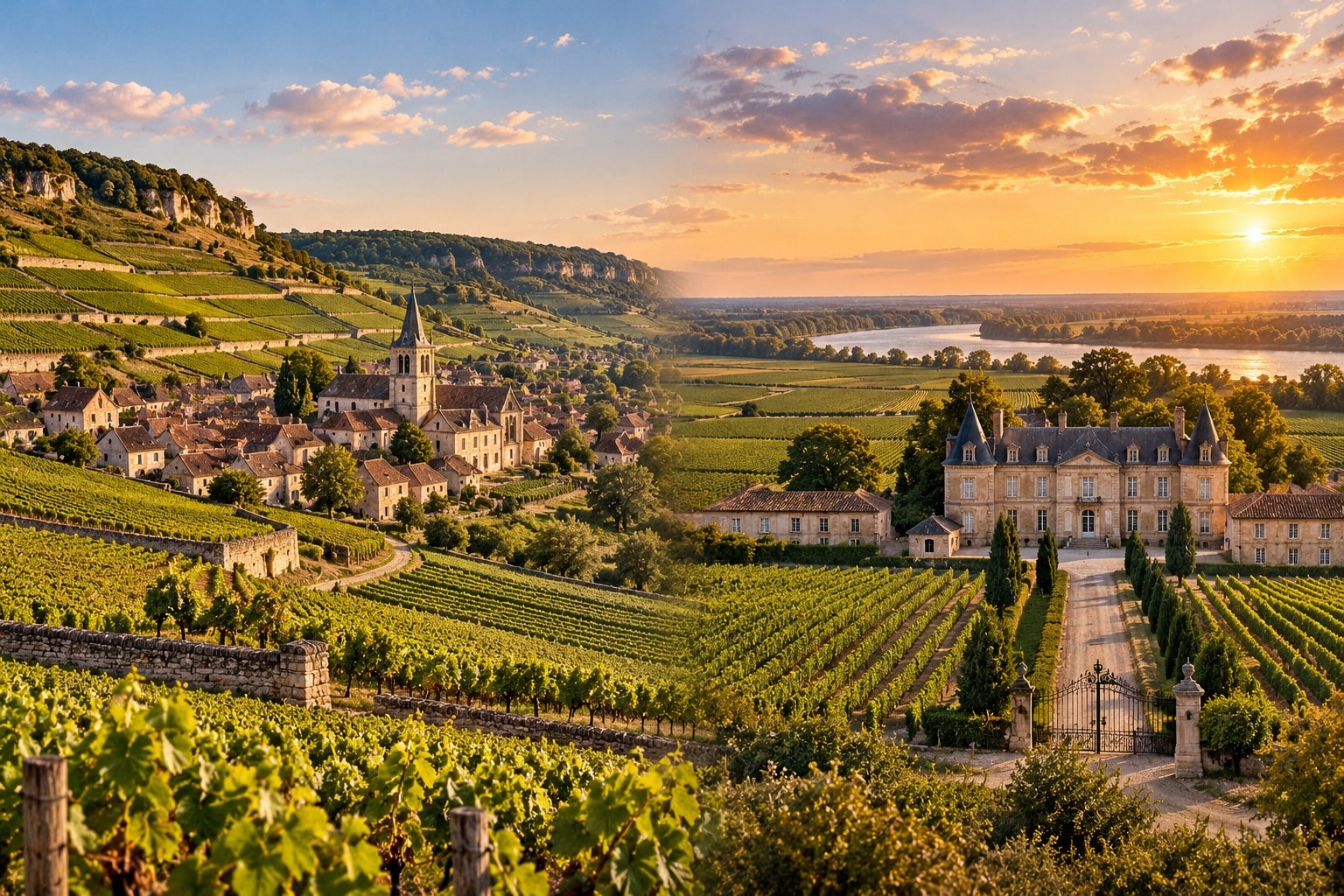
Burgundy vs Bordeaux
Burgundy and Bordeaux have shaped the world of fine wine for centuries, yet their traditions are fundamentally different. From Burgundy’s vineyard-focused classifications and single-variety wines to Bordeaux’s celebrated estates and blending traditions, discover what distinguishes these two historic French wine regions.
23 Oct 2026
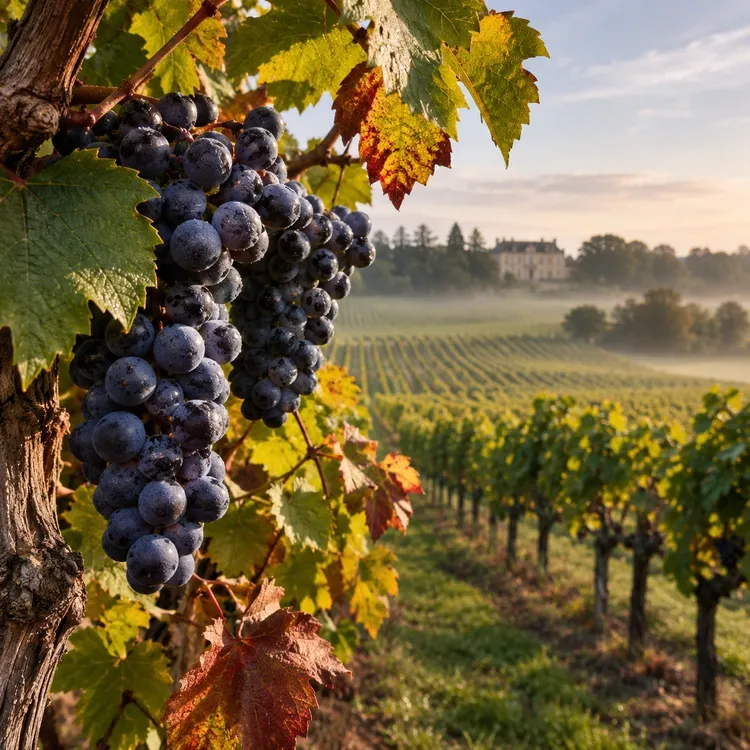
Does Wine Vintage Really Matter? A Guide to Understanding Great Years
The year printed on a wine label can influence its character, reputation and price. But understanding what makes a vintage exceptional requires looking beyond the number.
14 Oct 2026
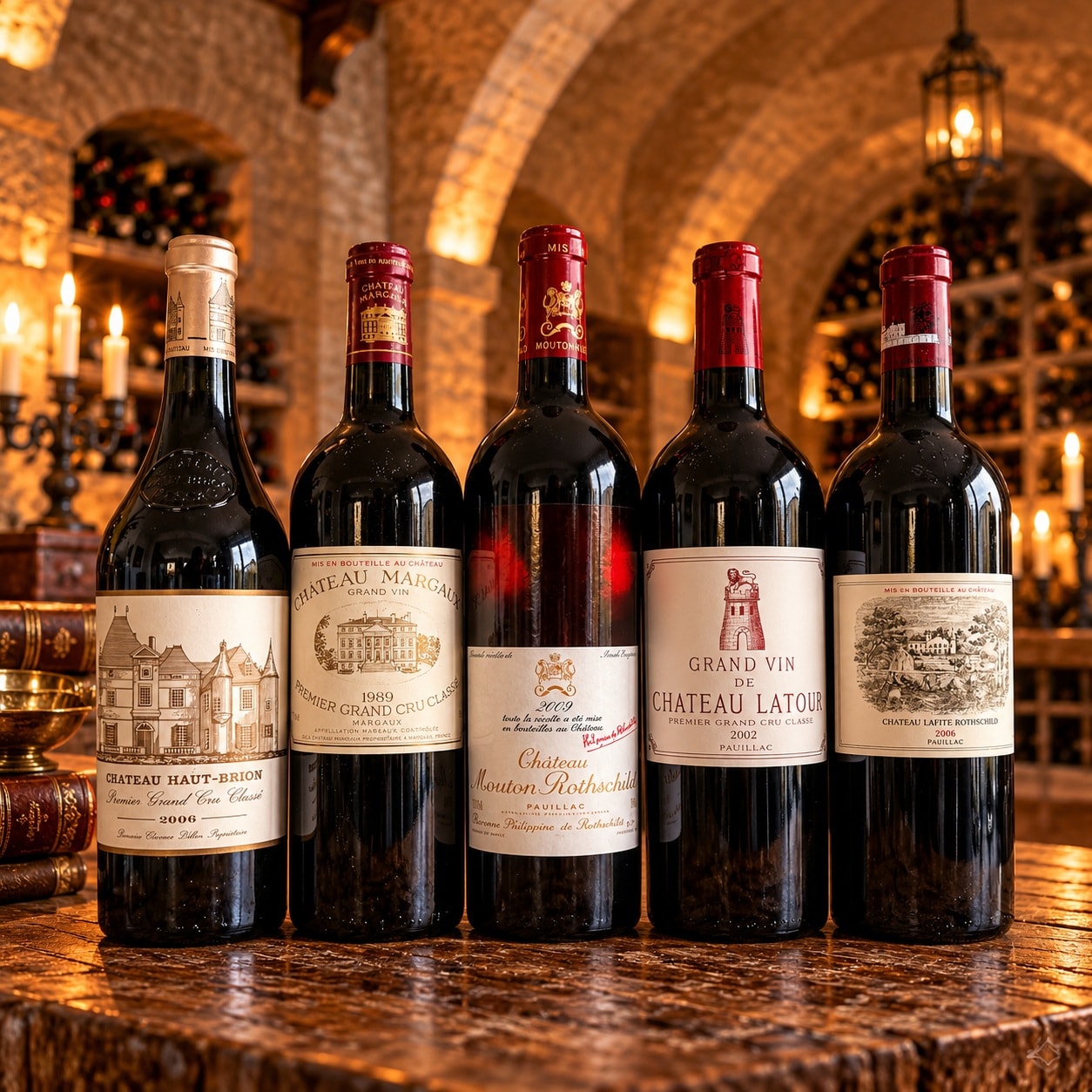
Bordeaux Wine Classifications Explained: From First Growths to Super Seconds
Discover how Bordeaux's historic wine classifications work, why some celebrated estates remain unclassified, and what the rankings really mean for quality, prestige and price.