
23 Nov 2026
Champagne vs the World: What Makes the King of Sparkling Wine So Special?
From the chalk hills of northern France to the vineyards of England, Italy and Spain, the world of sparkling wine is far more diverse than its most famous name suggests. But how did Champagne become the ultimate symbol of celebration, luxury and exceptional winemaking?
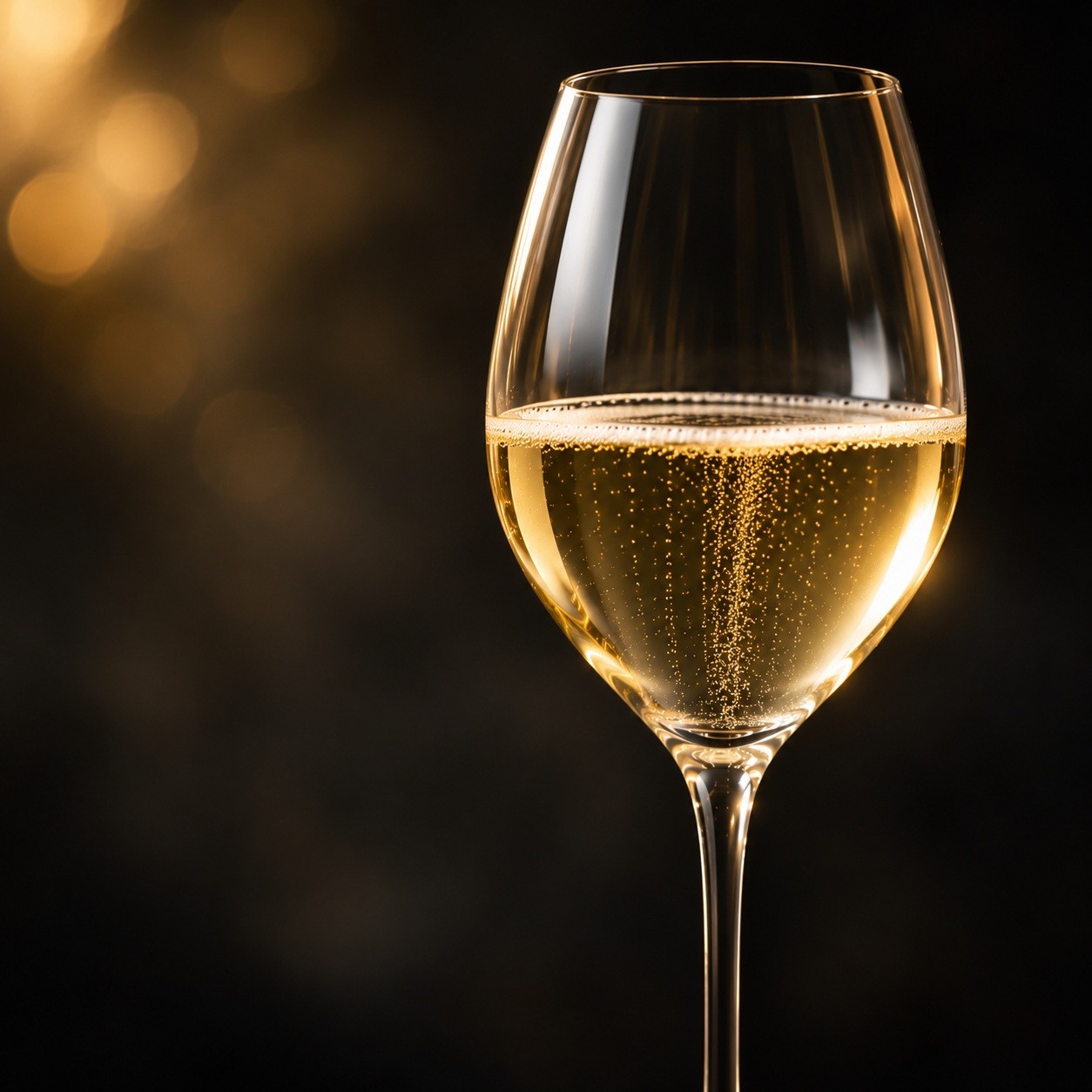
A Sparkling Wine That Conquered the World
Imagine opening two bottles of sparkling wine.
Both have been made using the traditional method. Both have spent years ageing in contact with their lees. Both come from respected producers, using carefully selected grapes grown in exceptional vineyards.
One is Champagne. The other comes from Franciacorta in northern Italy.
Imagine that the Champagne costs twice as much.
Is it twice as good?
That deceptively simple question opens the door to one of the most fascinating stories in the world of wine.
Champagne has achieved something extraordinary. It has become more than a geographical origin, more than a winemaking tradition and more than a drink. It has become a universal symbol of celebration.
A wedding, a victory, a new beginning or simply a moment worth remembering: few wines carry the same emotional significance.
Yet Champagne's position at the summit of sparkling wine was never inevitable.
To understand how it got there, we need to travel back to a cold corner of northern France, where making great wine was once anything but straightforward.
The Unlikely Birthplace of a Legend
Champagne lies near the northern edge of France's traditional winegrowing territory. For centuries, its cool climate presented considerable challenges.
Grapes struggled to ripen consistently. Acidity was often pronounced, and the wines could be relatively light.
What might appear to be disadvantages eventually became some of the region's greatest strengths.
High natural acidity provides the freshness and tension that make fine sparkling wine so compelling. Meanwhile, the region's extensive chalk formations, particularly around the Côte des Blancs and parts of the Montagne de Reims, contribute to distinctive growing conditions, drainage and water regulation.
But Champagne did not begin as the sparkling wine we know today.
The region was already producing still wines long before its sparkling wines became famous. Reims also enjoyed enormous political and ceremonial importance as the traditional coronation city of French kings.
The story that a single monk, Dom Pérignon, invented Champagne is one of wine's most enduring myths.
Dom Pérignon was a real Benedictine monk who worked at the Abbey of Hautvillers in the late seventeenth and early eighteenth centuries. He is associated with important developments in blending and winemaking, but sparkling wine developed through the work of many people over a long period.
In fact, bubbles were initially often considered a problem.
Cold winter temperatures could interrupt fermentation. When warmer weather returned, fermentation might restart, sometimes inside bottles. The resulting pressure could cause bottles to explode, creating dangerous chain reactions in cellars.
What began as an unpredictable complication gradually became an opportunity.
Advances in stronger glass, bottle closures and understanding fermentation helped winemakers turn an unreliable phenomenon into a controlled and increasingly sophisticated craft.
Champagne's brilliance was not simply discovering bubbles.
It was learning how to master them.
The Secret Is Not Just the Bubbles
One of the biggest misconceptions about sparkling wine is that its quality can be judged by how many bubbles it produces.
In reality, the bubbles are only part of a much more complex experience.
The finest sparkling wines balance freshness, texture, aroma, depth and persistence.
Champagne's signature method, known as the méthode traditionnelle, creates its bubbles through a second fermentation inside the bottle.
A base wine is produced first. A mixture containing yeast and sugar is then added before the bottle is sealed. As fermentation progresses, carbon dioxide becomes trapped in the wine.
But the most interesting transformation often happens after that fermentation has finished.
The wine remains in contact with the spent yeast cells, known as the lees.
Over time, a process called autolysis releases compounds that can contribute to greater texture and aromas reminiscent of brioche, toasted bread, pastry and nuts.
These characteristics are not exclusive to Champagne. They can also be found in traditional-method sparkling wines elsewhere.
And that raises an intriguing question.
If the technique can be reproduced, what makes Champagne different?
The answer lies in the combination of place, grapes, blending, ageing and generations of accumulated expertise.
Champagne is especially associated with Chardonnay, Pinot Noir and Meunier.
Chardonnay can bring freshness, elegance and citrus-driven precision. Pinot Noir often contributes structure and depth, while Meunier can provide fruit and approachability.
These are useful generalisations rather than rigid rules. Great producers can create remarkably different expressions from the same grape varieties.
Many Champagne houses also blend wines from different vineyards and harvest years to maintain a recognisable house style. Reserve wines play an important role in creating consistency and complexity.
In some respects, this makes Champagne fundamentally different from many other fine wines.
A great Burgundy often seeks to express a particular vineyard and harvest. A great non-vintage Champagne may instead represent the deliberate combination of numerous vineyards and harvests, brought together to create something that none of the individual wines could achieve alone.
Vintage Champagnes, by contrast, aim to capture the character of a particular harvest.
Time is another essential ingredient. Non-vintage Champagne must mature for at least 15 months before release, including at least 12 months on the lees, while vintage Champagne requires a minimum maturation period of three years. Many ambitious producers exceed these requirements considerably.
This extraordinary flexibility is part of Champagne's appeal.
It can be delicate and almost weightless, powerful and vinous, youthful and energetic, or mature and profoundly complex.
Few wine regions have developed such a broad spectrum of sparkling wine styles under one internationally recognised identity.
The Sparkling Wine Family: Much Bigger Than Champagne
Champagne may be the most famous member of the family, but it is far from the only one worth discovering.
And not all sparkling wines are trying to imitate it.
Some pursue the same depth and complexity through traditional bottle fermentation. Others celebrate freshness, aromatic fruit and immediate pleasure.
Understanding the differences makes the entire category more interesting.
Crémant: France's Other Sparkling Tradition
Outside Champagne, France produces an impressive range of traditional-method sparkling wines under the Crémant designation.
Crémant d'Alsace, Crémant de Bourgogne and Crémant de Loire are among the best known.
Each reflects its own geography, grape varieties and regional traditions.
A Crémant de Bourgogne made from Chardonnay and Pinot Noir may share certain stylistic characteristics with Champagne, while a Crémant de Loire based on Chenin Blanc can offer a very different expression.
Alsace, meanwhile, brings its own combination of grape varieties and regional character to the sparkling wine world.
What makes Crémant particularly interesting is that it demonstrates how the same fundamental production method can produce remarkably different wines depending on where the grapes are grown.
The attraction is not simply that Crémant can be less expensive.
It is the opportunity to explore distinctive regional identities through sparkling wine.
Franciacorta: Italy's Serious Contender
South of Lake Iseo in Lombardy lies Franciacorta, one of Italy's most prestigious sparkling wine regions.
Here, producers use traditional bottle fermentation, often working with Chardonnay and Pinot Noir, alongside permitted use of Pinot Bianco and Erbamat.
Franciacorta can produce wines of impressive refinement, texture and complexity.
Leading producers such as Ca' del Bosco, Bellavista and Berlucchi have helped establish the region's international reputation.
What makes Franciacorta particularly interesting is the seriousness with which it approaches ageing.
The region's production rules require at least 18 months of ageing on the lees for standard Franciacorta, 30 months for vintage-dated Millesimato wines and an impressive 60 months for Riserva.
That means a Franciacorta Riserva must spend at least five years developing in contact with its lees before disgorgement.
Time alone does not guarantee quality, but it provides the opportunity for remarkable complexity.
Franciacorta also has a distinctive style known as Satèn. Made exclusively from permitted white grape varieties and bottled at a lower pressure than standard Franciacorta, it is designed to offer a particularly soft and silky texture.
Even its name evokes the sensation of silk.
It is a fascinating example of how sparkling wine can be shaped not only through grape varieties and ageing, but also through the pressure inside the bottle.
The wines of Franciacorta are not simply Italian versions of Champagne. Differences in climate, soils, vineyard practices and individual winemaking philosophies give the region its own personality.
At its best, Franciacorta presents one of the strongest arguments that exceptional traditional-method sparkling wine does not have to come from France.
Spain: Where Sparkling Wine Became a Question of Identity
Spain's sparkling wine story begins with a familiar name: Cava.
For decades, Cava has been associated with traditional-method sparkling wine that offers excellent value. It has introduced millions of people to bottle-fermented bubbles without the prices usually associated with Champagne.
But beneath that familiar identity, something far more interesting has been happening.
A growing number of Spanish producers have been asking a fundamental question:
Should the ambition be to make an affordable alternative to Champagne, or to create a great sparkling wine that could only come from Spain?
The distinction matters.
In the vineyards of Penedès, southwest of Barcelona, the answer increasingly centres on local grape varieties, vineyard identity and longer ageing.
Three Grapes, One Distinctive Personality
Traditional Cava is closely associated with Macabeo, Xarel·lo and Parellada.
Each contributes something different.
Macabeo can bring delicate fruit and floral character. Parellada often contributes freshness and finesse.
But Xarel·lo is particularly fascinating.
It can produce wines with structure, citrus character, savoury complexity and the capacity to develop beautifully with ageing.
In the hands of skilled producers, Xarel·lo becomes far more than an ingredient in a sparkling blend.
It becomes an expression of place.
And that is where Spain begins to move away from the idea of simply imitating Champagne.
Rather than relying entirely on the internationally celebrated grape varieties of northern France, Spanish producers have an opportunity to create something recognisably Mediterranean, while retaining the freshness and complexity associated with fine traditional-method sparkling wine.
The Rise of Corpinnat
One of the most significant developments in Spanish sparkling wine has been the emergence of Corpinnat.
The movement grew out of a desire among producers to establish a stronger connection between sparkling wine and its geographical origin.
Cava is a protected designation of origin, but unlike Champagne, its permitted production territory extends across several geographically separated areas of Spain.
For producers in the historic heart of Penedès, this raised an important question about regional identity.
Could their wines communicate a more precise sense of origin?
Corpinnat emerged as one answer.
Created by producers determined to place greater emphasis on geographical identity, organic viticulture and demanding production standards, Corpinnat represents a different approach to premium sparkling wine.
Its requirements include certified organic grapes, hand harvesting, vinification at the winery and at least 18 months of ageing on the lees.
Member wineries must also produce wines aged for at least 30 and 60 months respectively.
These rules matter because they place vineyard work, origin and time at the centre of the wine's identity.
Producers such as Recaredo and Gramona have become important names in this movement.
Some of their wines spend many years ageing before release, developing a complexity that can surprise drinkers accustomed to younger, fruit-driven Cava.
These wines challenge the perception that Spanish sparkling wine belongs primarily in the affordable end of the market.
Their ambition is considerably greater.
Cava, Corpinnat and Clàssic Penedès: Why the Distinction Matters
Spain now has several identities for serious sparkling wine.
Cava remains a protected designation of origin, with increasingly demanding classifications for longer-aged wines.
The category itself deserves more attention than its reputation sometimes suggests.
Cava de Guarda Superior includes Reserva, Gran Reserva and Cava de Paraje Calificado, with minimum ageing requirements of 18, 30 and 36 months respectively. The latter category places particular emphasis on the character of an individual qualified site.
Corpinnat, meanwhile, is a collective brand rather than a separate protected designation of origin. It places particularly strong emphasis on production within its defined Penedès territory.
Clàssic Penedès offers another regional identity under the DO Penedès framework, built around certified organic production, geographical origin and a minimum of 15 months of cellar ageing. Both traditional and ancestral production methods are permitted.
To an unfamiliar consumer, these distinctions may initially seem unnecessarily complicated.
But they reveal something important.
Spanish sparkling wine is no longer defined simply by how it compares with Champagne.
Its producers are increasingly debating what Spanish sparkling wine should represent.
And that is a sign of a category with serious ambitions.
Germany: The Sparkling Wine Country Hiding in Plain Sight
Germany has one of the world's great sparkling wine cultures. Yet outside the country, many wine lovers would struggle to name even one German sparkling wine producer.
That is a rather curious contradiction.
Ask a wine enthusiast about Germany and the conversation will probably turn to Riesling, steep vineyards above the Mosel, or the remarkable longevity of the country's finest white wines.
Sparkling wine rarely gets the same attention.
And yet Germans have a long-established enthusiasm for Sekt, the country's familiar name for quality sparkling wine. Sekt has traditionally been enjoyed at everything from family gatherings to an ordinary Sunday lunch.
But there is a catch.
Not all Sekt is created equal.
Much of the inexpensive Sekt sold in Germany is produced on an industrial scale, sometimes using base wines sourced from elsewhere in Europe. These wines can be perfectly pleasant, but they tell us relatively little about German vineyards.
At the other end of the spectrum lies an entirely different world.
Here, ambitious producers are making traditional-method sparkling wines from carefully cultivated German vineyards, often with extended ageing and an emphasis on regional character.
This is where Germany becomes particularly exciting.
What Happens When Riesling Meets Bubbles?
Champagne's identity is closely associated with Chardonnay, Pinot Noir and Meunier.
Germany has another extraordinary grape at its disposal: Riesling.
With its naturally high acidity, citrus aromas and remarkable ability to reflect its growing conditions, Riesling can make fascinating sparkling wine.
Imagine the freshness of green apple, lemon zest and white flowers, combined with the texture developed through traditional bottle fermentation.
The result can be wonderfully precise, energetic and distinctive.
And unlike many Champagne-inspired wines, Riesling Sekt does not necessarily seek to reproduce Champagne's flavour profile.
It offers something different.
The best examples can retain a vivid Riesling character while gaining additional complexity from time spent on the lees.
There is also something particularly interesting about the relationship between Riesling and ageing.
Great still Riesling is celebrated for its ability to develop over many years. When the grape is used for ambitious traditional-method sparkling wines, its acidity and aromatic character provide a fascinating foundation for extended maturation.
The result can be a sparkling wine in which the identity of the grape remains remarkably clear, even after years of development.
The Producers Changing the Conversation
One of the most influential names in modern German sparkling wine is Volker Raumland.
Through his work at Raumland in Rheinhessen, he helped demonstrate that Germany could produce traditional-method sparkling wines with genuine depth, elegance and ageing potential.
Interestingly, Germany's premium sparkling wine movement is not limited to Riesling.
Raumland has also demonstrated the potential of the classic Burgundy and Champagne grape varieties, illustrating just how diverse Germany's sparkling wine identity can be.
Other producers, including Griesel & Compagnie and Reichsrat von Buhl, have contributed to a growing recognition of premium German sparkling wine.
For the curious wine enthusiast, the word Winzersekt is a useful starting point.
It is more than a stylistic description. German regulations require traditional bottle fermentation, grapes originating from the relevant producer or qualifying producer group, and at least nine months of ageing on the lees.
Many ambitious producers go considerably further.
The designation does not guarantee exceptional quality, but it helps distinguish wines with a closer connection to their vineyards and production origins from the broader Sekt category.
Germany's sparkling wine story is therefore not about replacing Champagne.
It is about rediscovering something that has been hiding in plain sight.
And for anyone who already appreciates great German Riesling, exploring serious Riesling Sekt may be one of the most rewarding discoveries of all.
England: From an Unlikely Experiment to a Serious Contender
Not long ago, the idea of England competing with Champagne would have sounded rather optimistic.
England was better known for unpredictable summers, persistent rain and a climate that could make ripening wine grapes a considerable challenge.
Yet today, English sparkling wine is attracting international attention.
And the reasons are more interesting than simply saying that England has become warmer.
The Curious Connection Beneath the Soil
Some of southern England's most celebrated vineyards lie on chalk formations geologically related to those found in parts of northern France.
The South Downs, with their rolling chalk hills, provide a striking visual reminder of that connection.
Long before the English Channel separated Britain from continental Europe, the geological history of these landscapes was already being written.
The chalk formations that now characterise parts of southern England and northern France originated from ancient marine environments.
Millions of years later, they would become part of the story of two remarkable sparkling wine territories.
Chalk can offer favourable drainage and water regulation, although it is only one element of a vineyard's terroir.
The more important point is that southern England can provide growing conditions suitable for Chardonnay, Pinot Noir and Meunier – the same principal grape varieties associated with Champagne.
In a relatively cool climate, these grapes can retain the acidity that is so valuable in sparkling wine.
But the similarities should not be exaggerated.
English vineyards face their own challenges, including spring frosts, variable rainfall and difficult harvest conditions.
Nor are all of England's finest vineyards planted on chalk. Other soil types also contribute to the country's emerging sparkling wine identity.
Great sparkling wine does not emerge simply because a vineyard happens to sit on chalk.
It requires careful site selection, skilled viticulture and considerable patience.
The Producers Who Changed Perceptions
Several producers have played important roles in establishing England's reputation.
Nyetimber helped demonstrate the potential for serious traditional-method sparkling wine in southern England.
Its decision to focus on the classic Champagne grape varieties was an important departure from much of the country's earlier commercial wine production.
Ridgeview contributed to the development of the country's sparkling wine identity, while Gusbourne has become another recognised name.
Their success helped change the conversation from whether England could make good sparkling wine to how distinctive and ambitious its finest wines might become.
The arrival of established Champagne expertise has added another intriguing dimension.
Champagne house Taittinger became involved in English viticulture through its Domaine Evremond project in Kent, developed in partnership with its longstanding British wine trade partner Hatch Mansfield.
The first vines were planted in 2017, and the project's inaugural sparkling wine was released in spring 2025.
Consider what that represents.
A historic Champagne house, with generations of experience in one of the world's most prestigious wine regions, chose to invest in vineyards on the other side of the English Channel.
It is a particularly interesting reversal of perspective.
For decades, English sparkling wine producers looked towards Champagne for inspiration.
Now, Champagne expertise is being applied directly to English vineyards.
That does not mean Champagne is about to lose its position. But it demonstrates that England's potential is being taken seriously by some of the industry's most experienced participants.
Could England Become the New Champagne?
It is a tempting headline.
But perhaps it is the wrong question.
England has no need to become a second Champagne.
Its finest sparkling wines can offer their own expression of freshness, fruit, texture and precision.
And climate change introduces a further complication.
Warmer growing seasons may improve ripening opportunities in some English vineyards, but they also bring uncertainty, including variable weather patterns and new viticultural pressures.
The future is therefore promising without being guaranteed.
What makes England so fascinating is that its sparkling wine identity is still developing.
Champagne has centuries of history behind it.
England is writing a much newer chapter.
And we are fortunate enough to be watching it unfold.
Prosecco: A Different Kind of Pleasure
After exploring the ambitious world of traditional-method sparkling wines, Prosecco offers a refreshing change of perspective.
Prosecco is often compared directly with Champagne, but the comparison can be misleading.
Most Prosecco is made primarily from Glera grapes using the tank method, also known as the Martinotti or Charmat method.
Instead of undergoing its second fermentation inside individual bottles, the wine generally develops its bubbles in pressurised tanks.
This helps preserve bright fruit and floral aromas.
The resulting style is often lively, accessible and refreshing, with notes of pear, apple and white flowers.
That does not make Prosecco an inferior version of Champagne.
It makes it a different style of sparkling wine, designed around different qualities.
There is also a considerable difference between the broad Prosecco DOC designation and the more geographically specific DOCG territories.
The steep hills of Conegliano Valdobbiadene, for example, are home to some of Prosecco's most distinctive vineyards.
Their landscape is so remarkable that the hills were recognised as a UNESCO World Heritage Site in 2019.
Within this territory lies the prestigious Cartizze area, where a small, defined hillside produces some of the region's most celebrated wines.
It is a reminder that even within a category associated with accessibility and simplicity, geography and vineyard character can matter enormously.
There are moments when the freshness and aromatic clarity of a beautifully made Prosecco are exactly what the occasion calls for.
So Why Does Champagne Still Reign Supreme?
We have now travelled from the vineyards of northern Italy to the hills of Penedès, explored Riesling's remarkable potential in Germany and watched England emerge as an increasingly confident sparkling wine producer.
The conclusion seems obvious.
Champagne no longer has a monopoly on exceptional sparkling wine.
So why does it retain such extraordinary prestige?
Part of the answer is quality.
Champagne benefits from a distinctive combination of cool-climate viticulture, extensive technical expertise, strict appellation rules, established vineyard traditions and generations of specialised experience.
But quality alone cannot explain its position.
Champagne also possesses something almost impossible to manufacture deliberately: centuries of cultural significance.
Its association with royalty, aristocracy, celebrations and international luxury developed gradually through history.
The great Champagne houses became exceptionally skilled not only at producing wine, but also at building global recognition.
Names such as Krug, Bollinger, Louis Roederer and Dom Pérignon carry meanings that extend beyond the liquid inside the bottle.
They represent heritage, craftsmanship, scarcity and expectation.
And expectation matters.
A celebrated Champagne may be tasted with an entirely different mindset from an unfamiliar sparkling wine, even when the latter is technically outstanding.
There is another dimension to Champagne's success.
Unlike many wine regions, where individual producers or vineyards may be more famous than the region itself, Champagne has built an exceptionally powerful collective identity.
The geographical name alone communicates something to consumers around the world.
Someone who knows almost nothing about wine may still recognise Champagne as something associated with exceptional occasions.
Very few wine regions have achieved that level of cultural recognition.
This does not mean Champagne's reputation is undeserved.
It means that its position has been shaped by both genuine winemaking achievement and an extraordinary cultural story.
The two are inseparable.
Does More Expensive Mean Better?
Here is where the story becomes especially interesting.
A bottle of Champagne can cost several times more than an excellent Crémant, Cava or Franciacorta.
Sometimes the difference reflects more demanding production, longer ageing, scarce vineyard land, exceptional fruit or a particularly ambitious winemaking philosophy.
Sometimes it also reflects brand recognition, market demand, distribution costs and prestige.
A higher price does not automatically guarantee greater drinking pleasure.
Nor does a lower price mean that the wine is somehow less serious.
A beautifully crafted Franciacorta may offer more pleasure to one drinker than a famous Champagne. Another may find the tension, complexity and ageing potential of a great vintage Champagne impossible to replace.
Personal taste matters.
So do the occasion, the food and the style of wine being sought.
Consider, for a moment, what might happen if the labels were removed.
Would a wine enthusiast automatically prefer the Champagne to an exceptional Corpinnat?
Would a beautifully aged German Sekt receive the same appreciation if the drinker knew nothing about its origin?
And would a prestigious label influence the perception of quality before the wine had even reached the glass?
These questions do not diminish Champagne.
They simply remind us that appreciating wine involves more than analysing its technical qualities.
Our experiences, expectations and associations are part of the pleasure.
The most rewarding approach is not to search for a universal winner.
It is to understand what makes each wine distinctive.
The Real Greatness of Champagne
Perhaps Champagne's greatest achievement is not that it produces the world's best sparkling wine in every bottle.
No region could reasonably claim that.
Its achievement is that it created an extraordinary benchmark against which much of the sparkling wine world is still measured.
Champagne transformed difficult growing conditions into a source of character. It refined a complex production method, developed a remarkable blending culture and established a global reputation that has endured for generations.
But the world has changed.
Franciacorta has matured into a serious fine-wine region. Spain's leading traditional-method producers continue to push quality boundaries. English sparkling wine has emerged as a genuine contender, while ambitious winemakers in Germany, France and beyond are demonstrating how diverse the category can be.
And the story extends well beyond Europe, from the cool vineyards of Tasmania to traditional-method sparkling wine producers in California and other parts of the world.
And that is wonderful news for anyone who loves wine.
Because the real question is no longer whether another sparkling wine can compete with Champagne.
We already know that exceptional examples can.
The more interesting question is what we might discover when we stop expecting every sparkling wine to taste like Champagne.
Champagne may still wear the crown. But the kingdom of sparkling wine has never been more exciting.
Fler inlägg
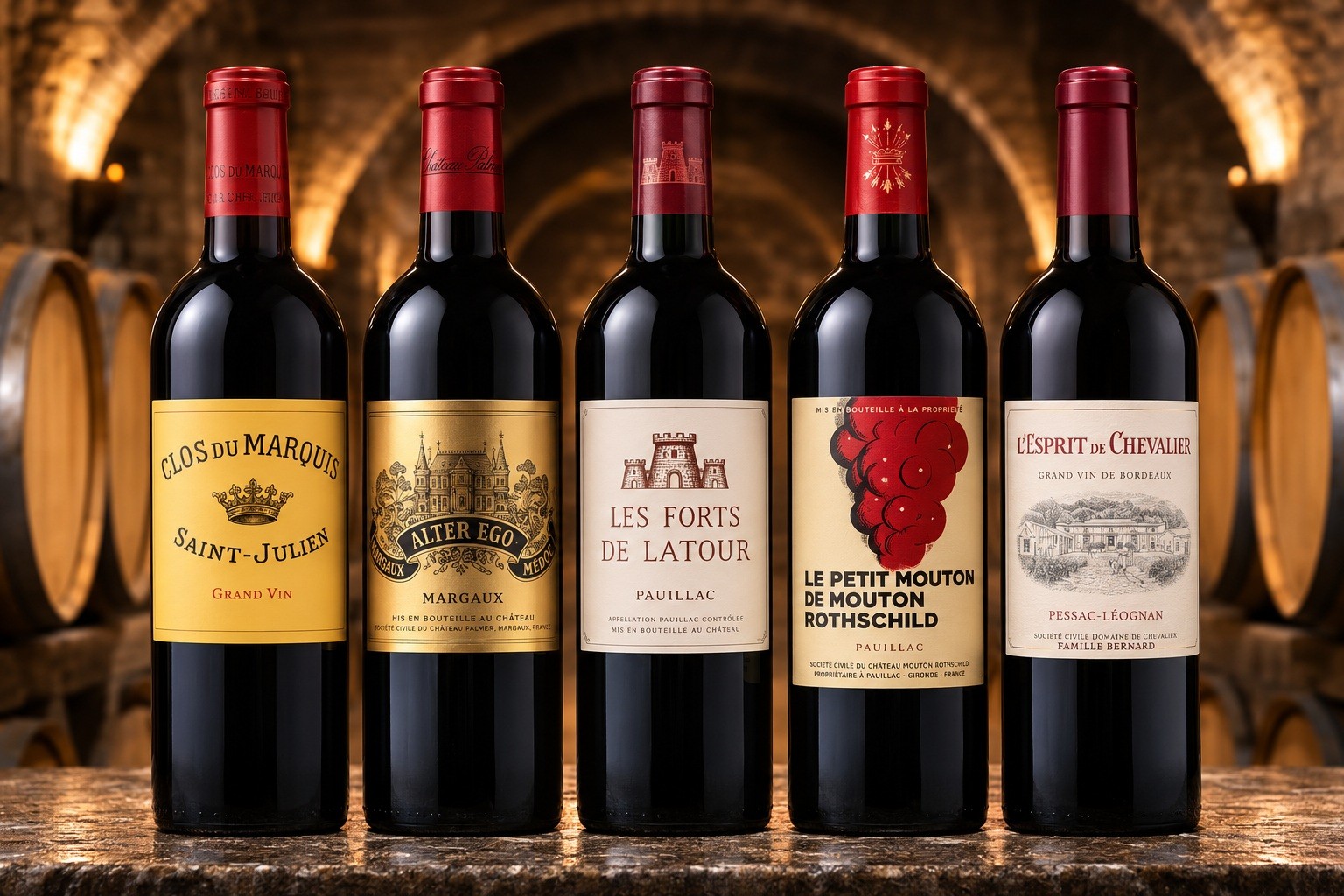
13 Nov 2026
Bordeaux Second Wines: The Great Misconception
Not every Bordeaux wine produced alongside a famous Grand Vin is a conventional second wine. From Clos du Marquis and Alter Ego de Palmer to Les Forts de Latour and Le Petit Mouton, discover how vineyard origins, selection and winemaking philosophy shape some of Bordeaux's most misunderstood wines.
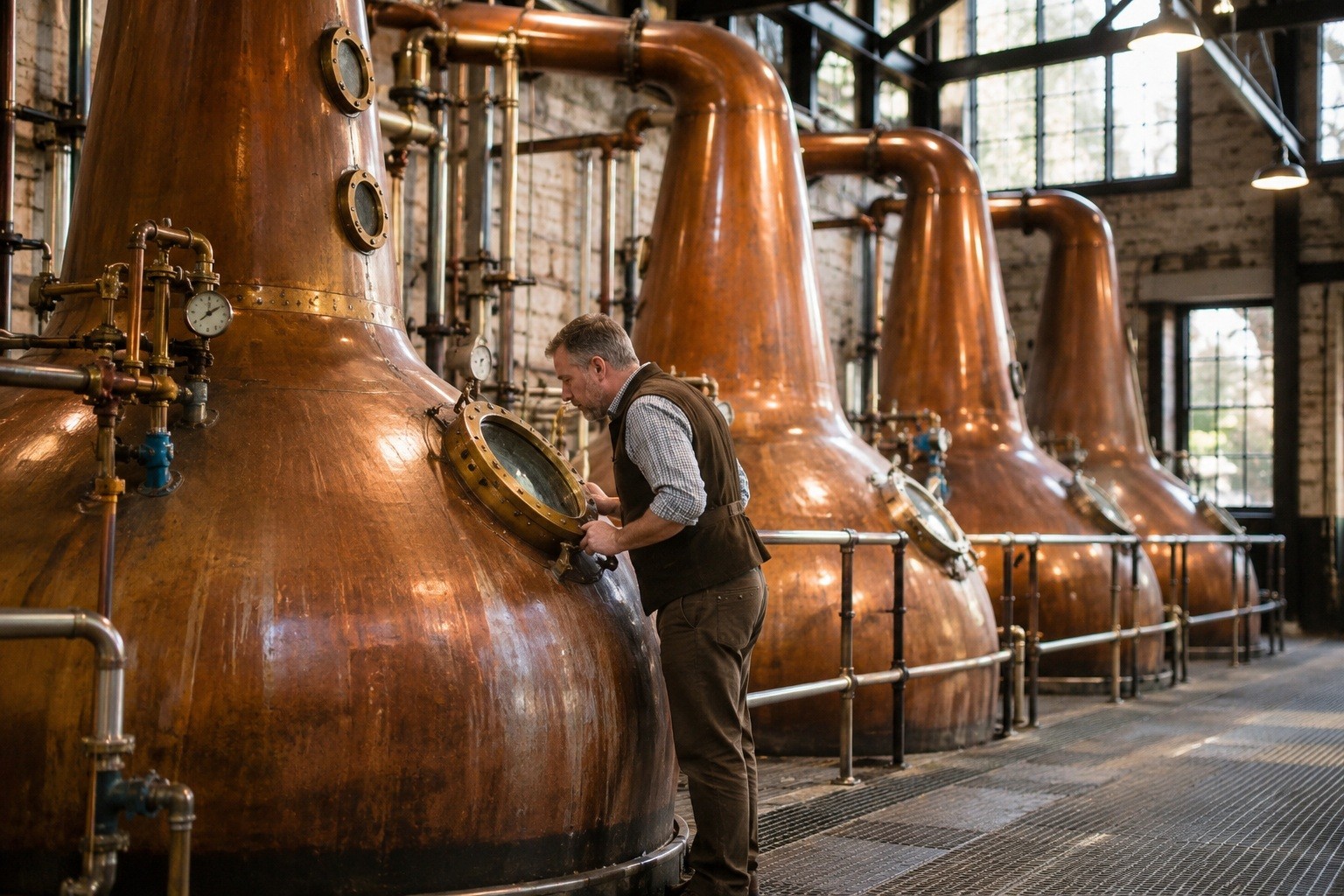
6 Nov 2026
Single Malt Scotch Whisky: Regions, Casks and the Pursuit of Character
Discover what defines single malt Scotch whisky, from Scotland's distinctive whisky regions and traditional distillation methods to the influence of oak casks, maturation and the craftsmanship behind the world's finest single malts.
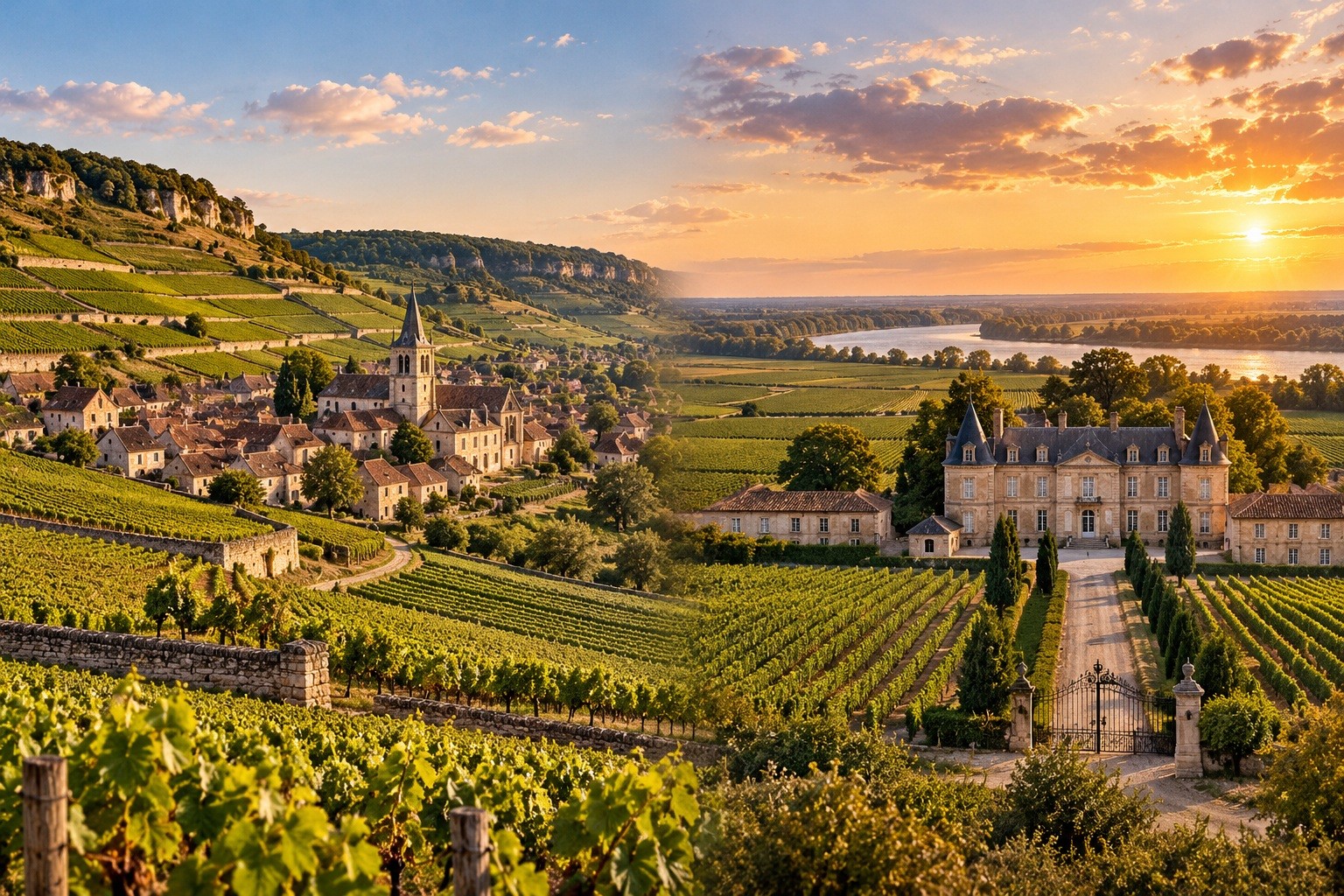
30 Oct 2026
Burgundy vs Bordeaux
Burgundy and Bordeaux have shaped the world of fine wine for centuries, yet their traditions are fundamentally different. From Burgundy’s vineyard-focused classifications and single-variety wines to Bordeaux’s celebrated estates and blending traditions, discover what distinguishes these two historic French wine regions.