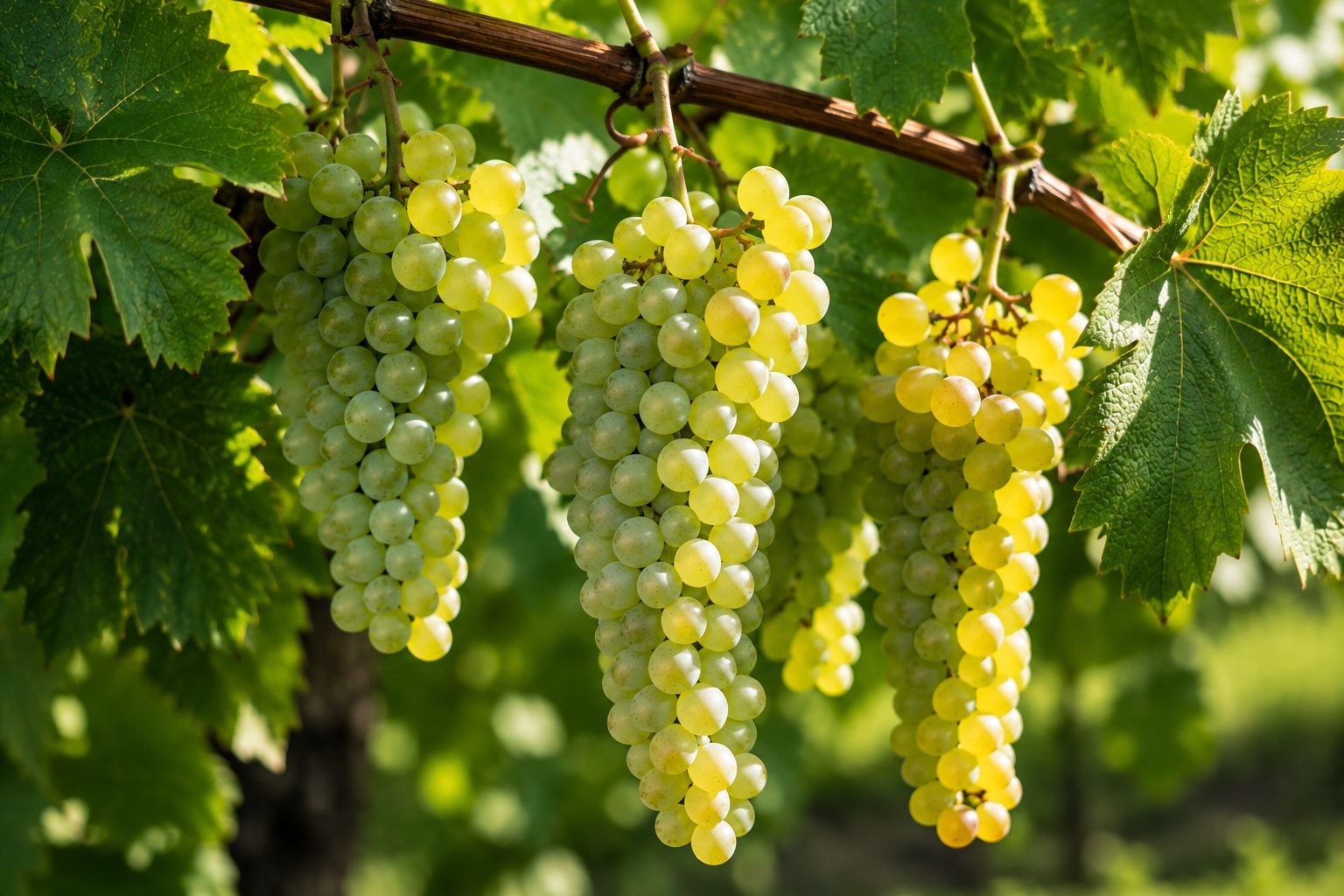
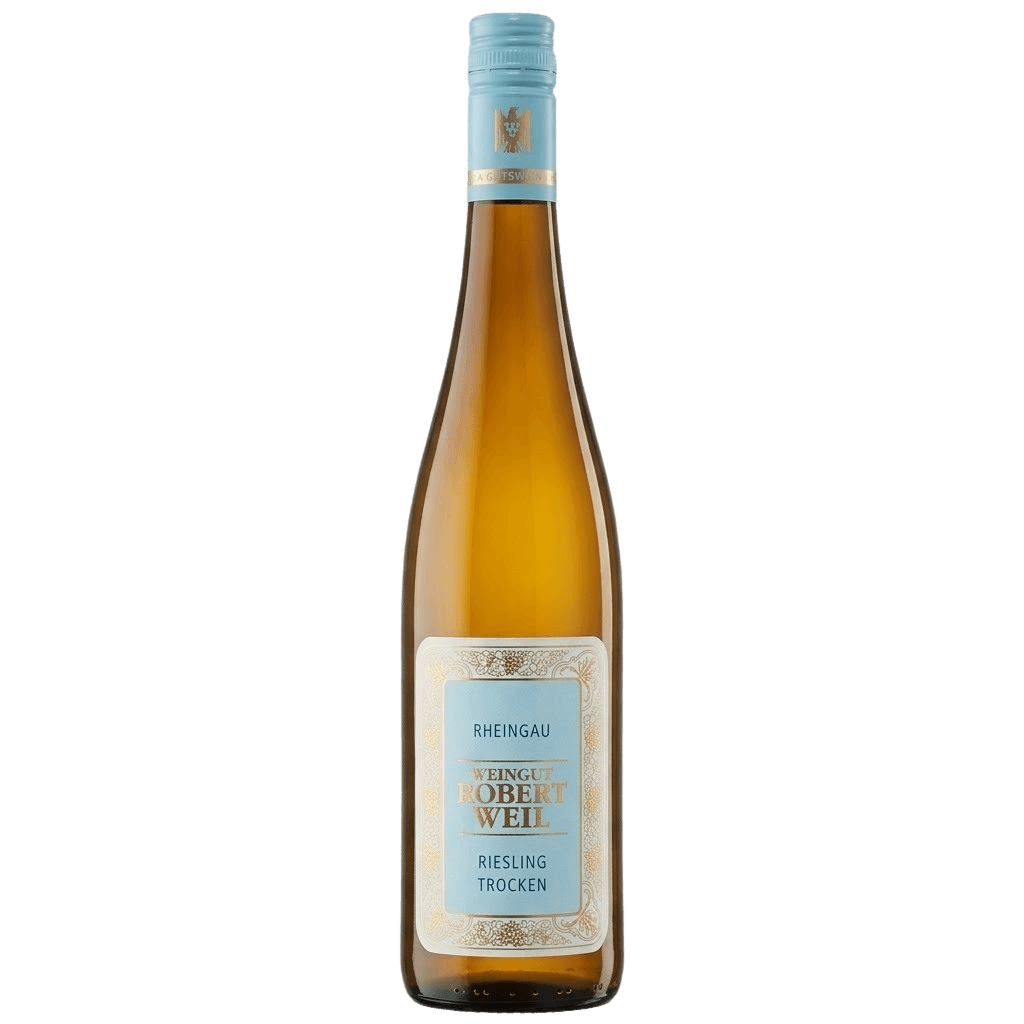
Riesling is one of the world’s most distinctive and highly regarded white wine grapes, celebrated for its remarkable aromatic purity, vibrant acidity and exceptional ability to express terroir. Most closely associated with Germany, Riesling produces wines ranging from intensely dry and mineral-driven to some of the world’s most complex and long-lived sweet wines.
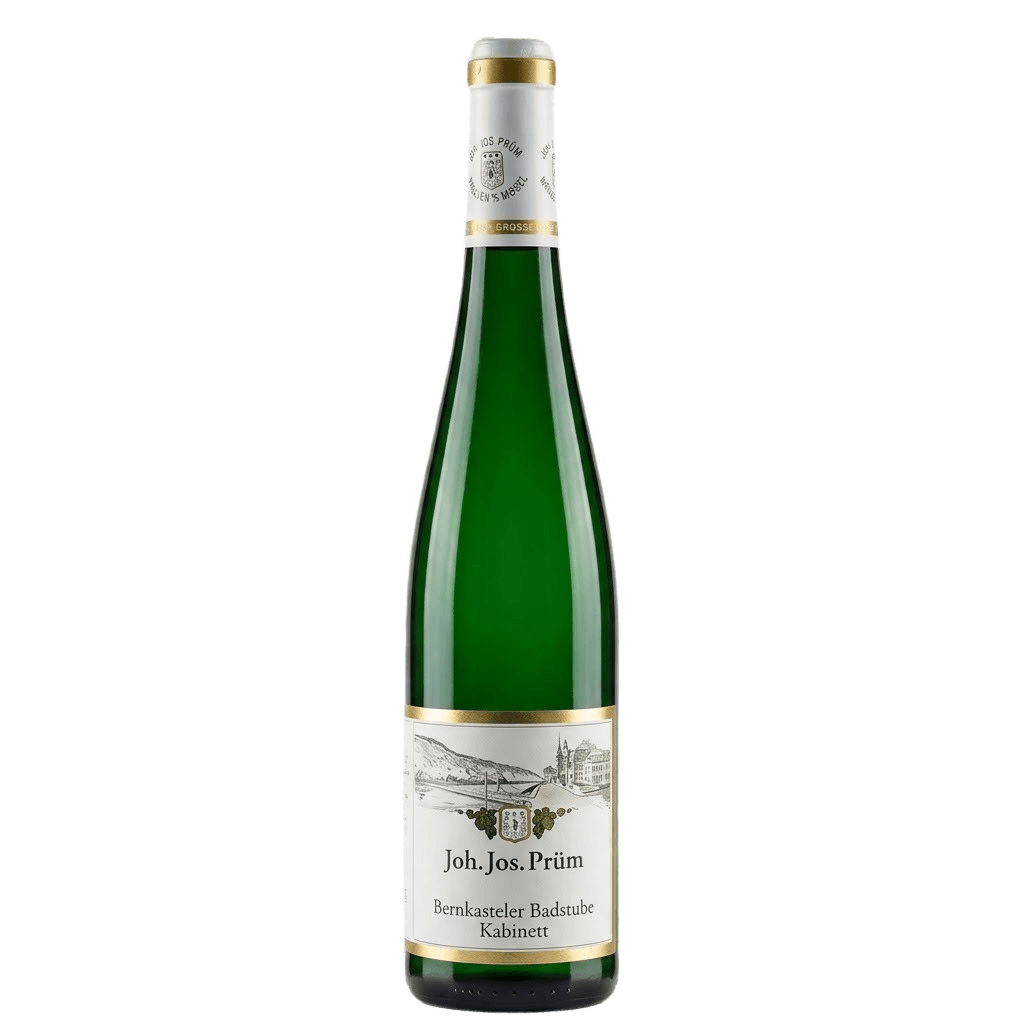
The steep vineyards of the Mosel produce some of Riesling’s most celebrated expressions. Cool conditions and slate-rich soils contribute to wines combining delicate fruit, pronounced acidity and remarkable mineral precision. Typical aromas include lime, green apple, white peach, citrus blossom and stone fruit, often accompanied by floral, herbal and mineral notes.
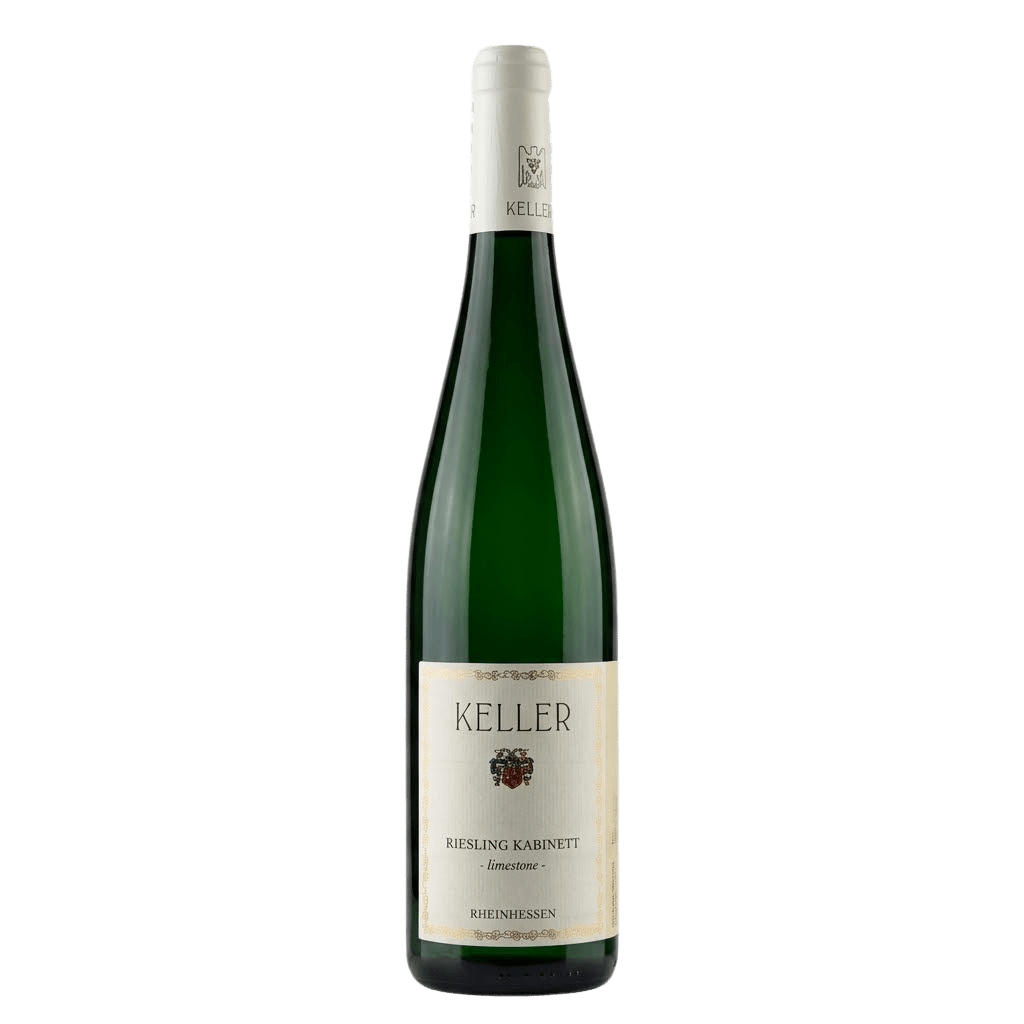
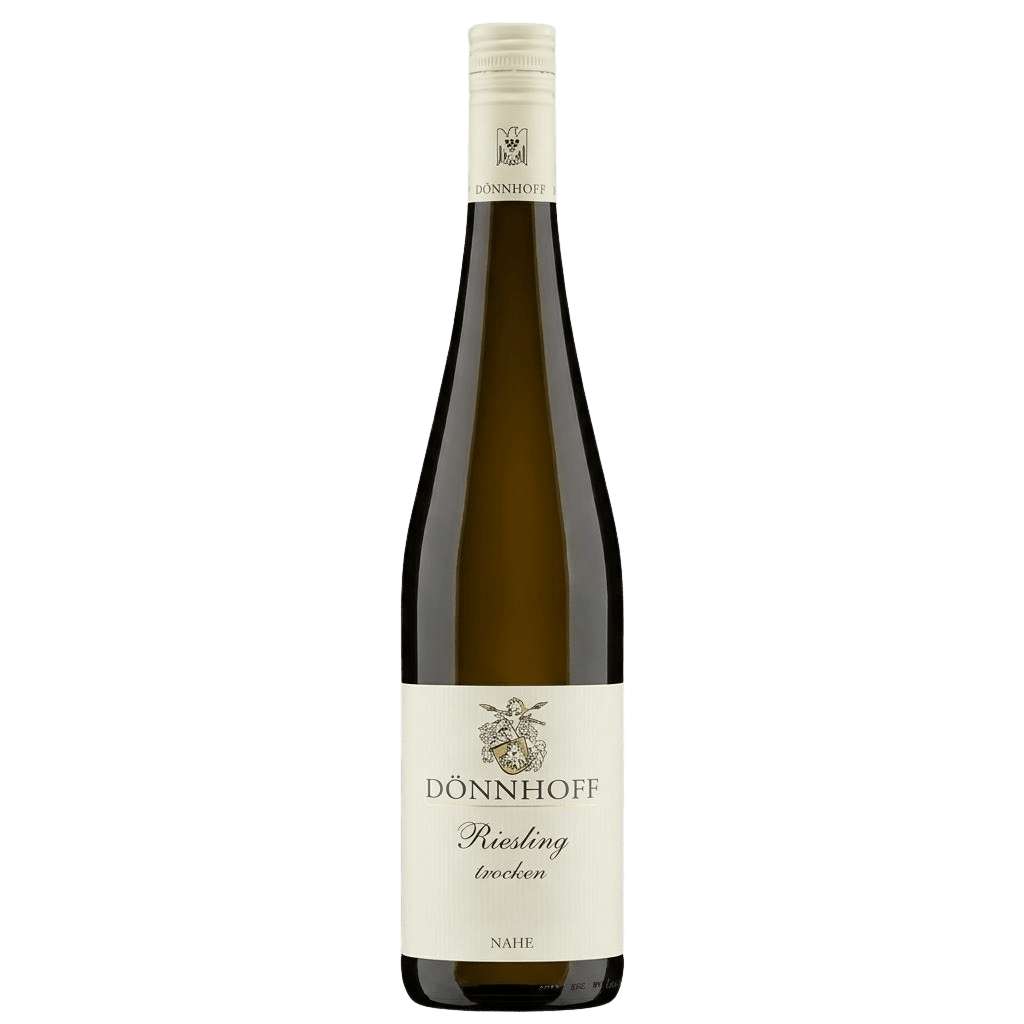
In the Rheingau, Riesling can show greater structure and concentration while retaining its characteristic freshness. Nahe is known for remarkable geological diversity and wines combining fruit, elegance and mineral complexity, while Pfalz often produces fuller and more powerful dry expressions. Riesling is also fundamental to Rheinhessen, now home to many of Germany’s leading dry wines.
One of Riesling’s defining characteristics is its ability to perform across a broad spectrum of sweetness. It can produce precise dry wines as well as traditional German styles ranging from Kabinett and Spätlese to Auslese, Beerenauslese and Trockenbeerenauslese. Its naturally high acidity provides balance and gives the finest wines extraordinary ageing potential.
Beyond Germany, Riesling has important traditions in Alsace, Austria and Australia, as well as other cool-climate regions worldwide. With bottle age, premium Riesling can develop additional layers of honey, dried fruit, spice and distinctive mature aromas while maintaining remarkable freshness.
From the slate slopes of the Mosel to powerful dry wines from Germany’s leading vineyards, Riesling’s combination of acidity, aromatic precision, longevity and transparency to terroir establishes it as one of the defining white varieties of fine wine.