
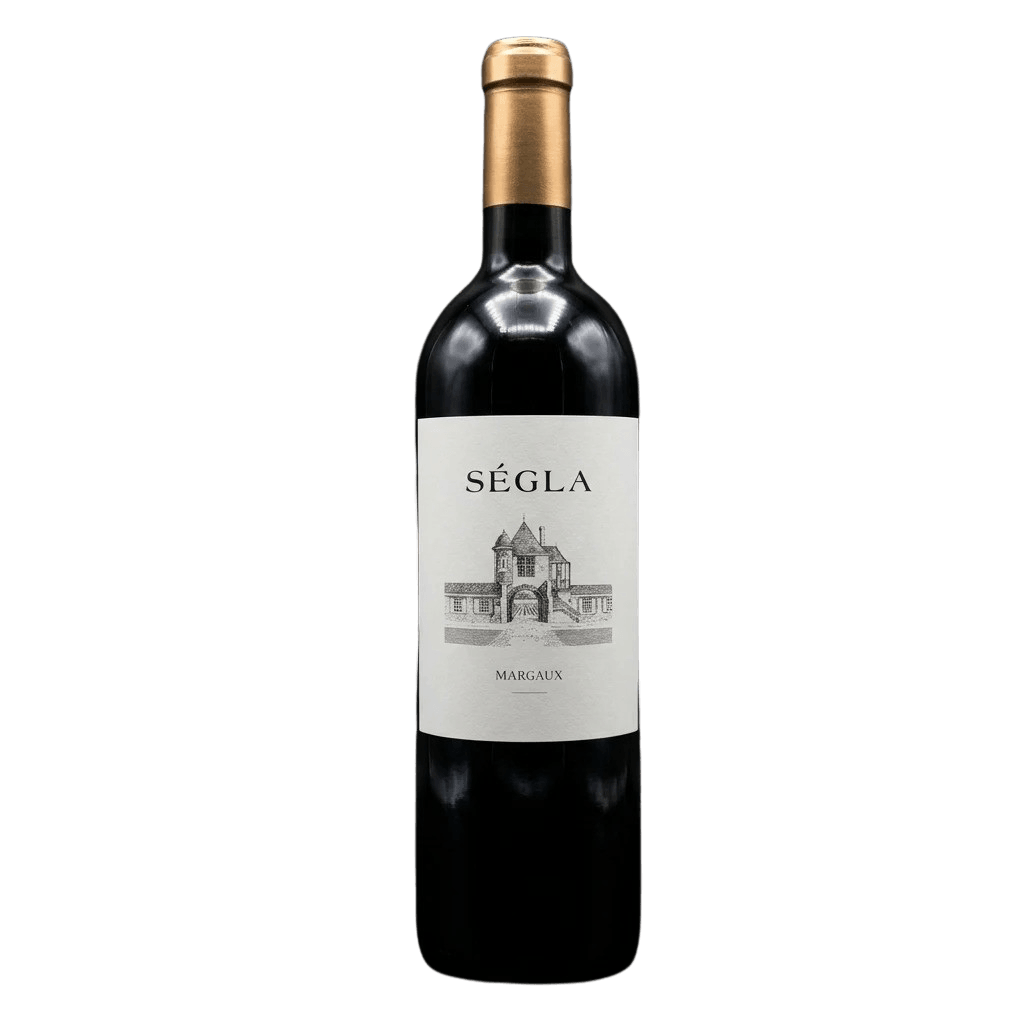
Château Rauzan-Segla
Ségla
2025
Ségla is the second wine of Château Rauzan-Ségla, produced from selected parcels in the Margaux appellation. Drawing on gravel, sand and clay-influenced soils, this Cabernet Sauvignon and Merlot-based Bordeaux blend combines expressive fruit, supple tannins and the refined structure characteristic of its Left Bank origins.
Country
France
Region
Bordeaux - Margaux
More information
Producer
Château Rauzan-Ségla – A Historic Second Growth of Margaux
Château Rauzan-Ségla is one of the historic classified wine estates of Margaux, situated on the Left Bank of Bordeaux in the Médoc. Its origins date to the seventeenth century, and its position among the Deuxièmes Crus in the Bordeaux Classification of 1855 reflects the property's longstanding significance within the region.
The estate occupies approximately 70 hectares of vineyards near the village of Margaux, where successive geological formations have created a complex mosaic of gravel, clay and limestone-influenced soils.
These varied growing conditions are central to the identity of Rauzan-Ségla. Rather than treating its vineyards as a uniform property, the estate approaches individual parcels and smaller vineyard zones according to their particular characteristics.
Since its acquisition by Chanel in 1994, Château Rauzan-Ségla has pursued an increasingly detailed understanding of its terroirs, combining traditional Bordeaux winemaking with precise vineyard observation and parcel-specific vinification.
The estate produces two principal wines: Château Rauzan-Ségla, its classified Grand Vin, and Ségla, its separately identified second wine.
Both reflect the distinctive character of Margaux, although their vineyard selection, blending and intended styles differ.
Producer at a Glance
- Producer: Château Rauzan-Ségla
- Location: Margaux, Médoc, Bordeaux, France
- Historical Origins: Seventeenth century
- Classification: Deuxième Grand Cru Classé, 1855
- Ownership: Chanel, since 1994
- Managing Director: Nicolas Audebert
- Vineyard Area: Approximately 70 hectares
- Principal Grape Varieties: Cabernet Sauvignon and Merlot
- Additional Varieties: Petit Verdot and Cabernet Franc
- Terroir: Deep gravel, fine gravel and limestone-clay soils
- Viticulture: Detailed parcel and intra-parcel management
- Harvesting: Manual
- Vinification: Separate fermentation of selected vineyard components
- Maturation: French oak barrels, with details varying by wine and vintage
- Organic Certification: From the 2024 vintage
- Grand Vin: Château Rauzan-Ségla
- Second Wine: Ségla
A History Rooted in Seventeenth-Century Bordeaux
The history of Château Rauzan-Ségla is closely connected with the development of the great vineyards of the Médoc.
Its origins can be traced to the seventeenth century and the activities of Pierre de Rauzan, an influential figure in the early development of several historic Bordeaux wine properties.
During this period, the Médoc was undergoing significant changes as vineyard ownership, land management and wine production became increasingly organised.
The Rauzan name became associated with vineyard holdings in Margaux that would eventually develop into separate estates.
Over time, the property acquired its distinct identity as Rauzan-Ségla.
The estate's history reflects the wider evolution of Bordeaux, where vineyards established over successive generations became recognised for their individual reputations and commercial standing.
The Classification of 1855
A defining moment came in 1855.
For the Paris Universal Exhibition, Bordeaux wine merchants prepared a classification of leading wines, primarily from the Médoc, based on their established market standing.
Château Rauzan-Ségla was classified as a Deuxième Grand Cru Classé.
This placed the estate within the second tier of the five-level classification.
The designation remains an important historical distinction and forms part of the property's identity today.
It is essential, however, to distinguish the classification of the estate from the characteristics of individual vintages.
The 1855 ranking identifies the historical status of the property; it does not establish a fixed quality score for every wine produced.
The Chanel Era – A New Chapter Beginning in 1994
Château Rauzan-Ségla has been owned by Chanel since 1994.
The acquisition marked the beginning of a significant period of investment and technical development.
Particular attention has been directed towards understanding the estate's vineyard soils, improving the precision of vineyard management and adapting winemaking practices to individual parcels.
The objective has been to develop a more detailed interpretation of the property's diverse terroirs.
Under this approach, vineyard decisions are informed by differences in soil structure, vine behaviour, grape maturity and the characteristics of each growing season.
The estate has also invested in its winemaking facilities and the organisation of separate fermentation batches.
These developments have allowed the winemaking team to work with increasingly precise vineyard selections.
Nicolas Audebert serves as Managing Director of Château Rauzan-Ségla.
The estate's modern philosophy combines its historical identity with an approach based on observation, experimentation and the gradual refinement of vineyard and cellar practices.
The Margaux Appellation – Elegance on the Left Bank
Château Rauzan-Ségla is located in Margaux, one of the principal communal appellations of the Médoc.
Situated on the Left Bank of the Gironde estuary, Margaux is particularly associated with Cabernet Sauvignon-based red wines.
The region's growing conditions are influenced by its proximity to the Atlantic Ocean and the Gironde estuary.
The maritime climate moderates temperature extremes, although rainfall, heat and seasonal weather patterns can vary considerably between vintages.
The landscape is characterised by gently undulating terraces containing different proportions of gravel, sand, clay and limestone-influenced material.
These geological variations contribute to differences between individual vineyards.
Margaux wines are often associated with aromatic finesse, floral complexity and refined tannin structure.
However, the appellation contains considerable diversity.
Each estate's vineyard composition, soil characteristics and winemaking decisions influence the style of its wines.
At Rauzan-Ségla, the interaction between different soil environments is particularly important.
The Terroir of Château Rauzan-Ségla
The vineyards of Château Rauzan-Ségla occupy approximately 70 hectares across a complex mosaic of soils.
The estate identifies three principal geological environments.
Each contributes different growing conditions and characteristics to the grapes.
Deep Gravel – The Historic Heart of the Vineyard
The deep gravel soils form an important part of Rauzan-Ségla's historic vineyard landscape.
These soils are associated with the ancient terraces of the Médoc.
The estate identifies its Terrace 4 gravel formations as particularly significant.
Alternating layers of gravel and clay influence drainage and the availability of water to the vines.
These conditions are especially relevant to Cabernet Sauvignon, which benefits from suitable drainage and a sufficiently long ripening period.
The estate associates these deep gravel soils with wines displaying structure, complexity and depth.
Fine Gravel – Fruit and Versatility
Other parcels contain finer gravel formations.
These soils differ from the deeper gravel terraces in their composition and water-holding characteristics.
The estate describes these vineyard areas as contributing fruit expression and versatility.
Their characteristics can provide useful complementary components during blending.
The precise contribution depends on grape variety, vineyard management and growing-season conditions.
Limestone-Clay – A Different Expression of Margaux
A third important soil environment consists of clay-rich soils over limestone bedrock.
These parcels offer growing conditions distinct from those of the gravel terraces.
Their cooler, clay-influenced characteristics can affect vine development and grape ripening.
The estate associates these soils with wines displaying concentration, volume and structural presence.
The Importance of the Vineyard Mosaic
The diversity of these soils is one of the defining characteristics of Château Rauzan-Ségla.
Differences in drainage, soil depth and water availability influence how vines respond to weather conditions.
The resulting grapes may differ in ripeness, aromatic expression and tannin structure.
By working with these vineyard components separately, the estate can preserve their individual characteristics before blending.
This approach is fundamental to Rauzan-Ségla's winemaking philosophy.
The Four Grape Varieties of Rauzan-Ségla
The vineyards are planted with four traditional Bordeaux red grape varieties.
Cabernet Sauvignon and Merlot are the principal components, supported by smaller plantings of Petit Verdot and Cabernet Franc.
Their respective roles reflect both the characteristics of the grape varieties and the estate's diverse soils.
Cabernet Sauvignon
Cabernet Sauvignon is central to the identity of Château Rauzan-Ségla.
The estate particularly associates the variety with its gravel soils.
As a relatively late-ripening grape, Cabernet Sauvignon requires careful vineyard management and suitable growing conditions.
It contributes characteristics commonly associated with:
- Blackcurrant and dark berries.
- Structural depth.
- Firm but potentially refined tannins.
- Freshness and acidity.
- Cedar and other savoury notes.
- Long-term ageing potential.
The estate's vineyard management increasingly focuses on understanding how Cabernet Sauvignon behaves in different soil environments.
Merlot
Merlot provides an important complement to Cabernet Sauvignon.
The estate grows the variety across suitable gravel and clay-influenced soils.
Merlot can contribute:
- Plum and red-fruit characteristics.
- A rounded palate.
- Supple tannins.
- Texture and volume.
- Aromatic softness.
Its role in the final blend varies according to the characteristics of each vintage.
Petit Verdot
Petit Verdot occupies a smaller proportion of the vineyard.
Depending on the growing season and ripeness, it may contribute colour, structure and additional aromatic complexity.
Spicy and floral characteristics are among the elements associated with the variety.
Its inclusion in individual wines is determined through blending.
Cabernet Franc
Cabernet Franc is also present in smaller quantities.
The estate associates it with fruit and floral characteristics, including raspberry and other red-fruit notes.
Its contribution varies according to the vineyard selection and vintage.
Blending Rather Than Fixed Proportions
The estate does not use a permanent grape formula for every vintage.
The final proportions depend on the quality and characteristics of the individual vineyard components.
This flexibility allows the producer to respond to each harvest while maintaining the identity of its wines.
Vineyard Management – Understanding Every Parcel
A defining element of Rauzan-Ségla's modern approach is its detailed study of the vineyard.
The estate recognises that significant differences can occur not only between individual parcels but also within the same plot.
Soil depth, drainage, vine development and grape maturity can vary over relatively short distances.
The vineyard team therefore identifies smaller zones with distinct characteristics.
Key Vineyard Practices
- Detailed observation of soil composition and structure.
- Monitoring of vine growth and behaviour.
- Identification of different ripening zones.
- Parcel-specific cultivation decisions.
- Assessment of grape maturity before harvest.
- Manual harvesting and careful selection.
- Separate handling of vineyard components where appropriate.
The purpose is to respond to the conditions of each vineyard area rather than applying identical practices across the entire estate.
This detailed approach continues through harvest and vinification.
Organic Viticulture and Environmental Management
Château Rauzan-Ségla has progressively developed its approach to vineyard management and environmental responsibility.
The property is certified in organic viticulture from the 2024 vintage.
This is an important distinction for understanding the estate's production history.
The certification should not be applied retrospectively to earlier vintages.
Organic viticulture involves restrictions on the use of certain synthetic agricultural inputs and requires compliance with the relevant certification framework.
However, organic certification does not mean that vineyard management is entirely free from treatments or interventions.
At Rauzan-Ségla, organic practices form part of the broader effort to manage the vineyard according to its natural conditions.
The estate's approach remains focused on observation, soil understanding and the relationship between vine health and grape quality.
Harvesting – Precision from Vineyard to Winery
Harvesting at Château Rauzan-Ségla is carried out manually.
Because the estate contains different grape varieties and vineyard environments, the grapes do not necessarily reach optimal maturity at the same time.
Harvest dates are therefore determined according to the characteristics of individual parcels and smaller vineyard zones.
The estate's technical documentation describes harvesting by parcel and intra-parcel selection.
Grapes are transported in small crates and undergo sorting before vinification.
Harvesting Principles
- Manual grape collection.
- Selection according to vineyard origin.
- Monitoring of ripeness and grape condition.
- Careful transport to the winery.
- Sorting before fermentation.
- Separate handling of selected vineyard components.
This process allows the winemaking team to preserve the identity of different vineyard selections.
The precise harvest period varies from year to year.
Winemaking – Precision Through Separate Vinification
The winemaking philosophy of Château Rauzan-Ségla is based on understanding the individual characteristics of its vineyard components.
Rather than fermenting all grapes together, the estate uses separate vinification for selected parcels and smaller vineyard zones.
Temperature-controlled stainless steel vats allow the winemaking team to manage fermentation according to the characteristics of each batch.
The estate's technical documentation also describes the use of gravity during vat filling.
Individual Fermentation Batches
Different vineyard components may require different approaches.
Decisions can include:
- Fermentation temperature.
- Duration of skin contact.
- Extraction methods.
- Management of tannin development.
- Separation or combination of individual batches.
These decisions are adapted to the harvest.
The objective is to preserve the characteristics of the fruit while developing the structure required for the intended wine.
The Role of Tasting
Tasting is central to the process.
Individual components are evaluated throughout vinification and maturation.
The team considers their aromatic characteristics, texture, tannins and balance.
These assessments inform decisions about the final blends.
Blending – The Defining Art of Bordeaux
Blending is one of the most important stages in the production of Château Rauzan-Ségla's wines.
The estate's different soils and grape varieties produce components with distinct characteristics.
Cabernet Sauvignon may contribute structure and depth.
Merlot can provide texture and fruit expression.
Petit Verdot and Cabernet Franc may introduce additional complexity.
The winemaking team evaluates these components individually and in combination.
The objective is to create a balanced expression of the vintage and the estate's identity.
This requires decisions about which components are most suitable for the Grand Vin and which are better suited to Ségla.
The process is repeated every year.
Consequently, neither the precise grape blend nor the characteristics of the finished wines should be treated as identical between vintages.
Maturation – French Oak and the Development of Structure
The wines of Château Rauzan-Ségla undergo maturation in French oak barrels.
The Grand Vin is generally matured for approximately 18 months, although the precise details depend on the vintage.
The proportion of new barrels also varies.
Oak maturation contributes to the gradual development and integration of the wine's components.
Controlled oxygen exchange can influence tannin evolution and texture.
New oak may introduce aromas associated with cedar, toast and spice.
Previously used barrels generally contribute less direct wood-derived flavour.
The estate seeks to balance these influences with the fruit and structure of the wine.
The Grand Vin and Ségla can receive different proportions of new oak according to their intended styles and the characteristics of the vintage.
The Wines of Château Rauzan-Ségla
The estate produces two principal red wines.
Although they share a producer and the wider Margaux terroir, they have distinct identities.
Château Rauzan-Ségla – The Grand Vin
Château Rauzan-Ségla is the estate's classified Grand Vin.
It carries the historical Deuxième Grand Cru Classé designation associated with the property.
The wine is selected to express the character of the estate's principal vineyard terroirs.
Its style is associated with:
- Aromatic finesse.
- Floral and dark-fruit complexity.
- Refined but substantial tannins.
- Structural depth.
- Balance between freshness and concentration.
- Potential for extended bottle ageing.
The exact blend, maturation and tasting profile vary by vintage.
Ségla – The Second Wine
Ségla is the estate's separately identified second wine.
It is produced from selected vineyard components and has its own blending and maturation decisions.
The estate associates Ségla with fruit expression, suppleness and refined tannins.
Its vineyard sourcing includes areas beyond the historic core of the property, where varied gravel, sand and clay formations contribute different characteristics.
Although Ségla shares the estate's winemaking philosophy, it is not the same product as Château Rauzan-Ségla.
The two wines must therefore be identified separately.
The Character of Château Rauzan-Ségla
The estate's wines are associated with the balance between finesse and structural depth that has become closely linked with Margaux.
The Grand Vin is generally described through its combination of aromatic precision, refined tannins and ageing potential.
Depending on the vintage, its aromatic profile may include blackcurrant, red berries, floral notes, cedar and spice.
The palate can combine concentrated fruit with freshness and a fine tannin structure.
Ségla offers a separate interpretation of the estate's vineyards, generally emphasising fruit expression and a supple texture.
These descriptions represent the producer's broader stylistic identity.
They should not replace the tasting notes or technical information for individual vintages.
Château Rauzan-Ségla Within the Bordeaux Classification
Château Rauzan-Ségla is one of the classified Second Growth estates of the Médoc.
Its inclusion in the 1855 classification connects the property with the historical development of Bordeaux's wine trade.
The classification remains relevant when identifying the estate and understanding its position within the region.
However, the classification applies to the historic property rather than serving as a numerical assessment of individual bottles.
Vintage quality, market prices and wine characteristics must be evaluated separately.
This distinction is particularly important when comparing different harvests.
Discover Château Rauzan-Ségla on Sipfind
Explore Château Rauzan-Ségla, a historic classified wine estate in the Margaux appellation of Bordeaux.
Learn about its seventeenth-century origins, diverse gravel and clay-limestone terroirs, Cabernet Sauvignon-led blends and detailed approach to vineyard management.
Discover the estate's Grand Vin and second wine, Ségla, and explore available vintages.
Sipfind provides independent wine price comparisons from European retailers, helping visitors identify offers for the same wine, vintage and bottle format.
Country
Region
Bordeaux - Margaux
Margaux is one of the most respected wine appellations in Bordeaux and represents the pinnacle of Left Bank elegance. Located in the Haut-Médoc, the appellation combines centuries of winemaking heritage with exceptional terroir, producing refined red wines that are widely recognised for their perfume, finesse and remarkable ageing potential. Margaux has long been synonymous with graceful, sophisticated Bordeaux that balances structure with silky texture.
The appellation benefits from distinctive gravel soils with varying proportions of sand and clay, creating ideal drainage and warmth retention for Cabernet Sauvignon, Merlot, Cabernet Franc and Petit Verdot. These deep gravel beds, combined with the moderating influence of the Gironde estuary, produce wines of exceptional aromatic complexity, with characteristic notes of violets, black fruit, cedar and spice. The terroir allows for elegant tannins and refined structure that distinguishes Margaux from neighbouring appellations.
Margaux is home to twenty-one classified estates from the 1855 Classification, including the renowned First Growth Château Margaux, along with distinguished properties such as Château Palmer, Château Rauzan-Ségla, Château Brane-Cantenac and Château Giscours. These estates represent benchmark expressions of the appellation's signature style: wines of exceptional balance, aromatic intensity and graceful power that reward careful cellaring.
Discover Margaux wines, compare prices from trusted merchants across Europe and find the best offers with Sipfind.
Grapes
Cabernet Sauvignon is one of the world’s most important and widely planted red wine grapes, renowned for its powerful structure, concentrated fruit and exceptional ageing potential. Originating in Bordeaux, France, the variety has become a defining grape of fine wine regions around the world, particularly Napa Valley, Tuscany, Chile, Australia and South Africa.
Classic Cabernet Sauvignon combines flavours and aromas of blackcurrant, cassis, blackberry and dark cherry with characteristic notes of cedar, graphite, tobacco and herbs. Naturally high tannins and fresh acidity provide structure and longevity, while maturation in oak can add layers of spice, vanilla and toast. Its character varies significantly with climate, soil and winemaking, ranging from elegant and savoury to rich, powerful and intensely concentrated.
In Bordeaux, Cabernet Sauvignon is particularly associated with the Left Bank, where it forms the foundation of many prestigious blends alongside Merlot, Cabernet Franc and other permitted varieties. In Napa Valley, it has become the region’s signature red grape, producing some of the world’s most sought-after Cabernet Sauvignon wines.
Cabernet Sauvignon’s ability to express terroir while retaining its distinctive structure and character has made it a global benchmark for premium red wine. Whether produced as the dominant variety in a blend or as a varietal wine, the finest examples combine concentration, complexity and the capacity to develop gracefully over decades
Merlot is one of the world’s most important red wine grapes, celebrated for its generous fruit, supple texture and ability to produce wines ranging from approachable and elegant to exceptionally complex and long-lived. Originating in Bordeaux, France, Merlot is particularly associated with the Right Bank, where it forms the foundation of many of the prestigious wines of Pomerol and Saint-Émilion.
Merlot typically expresses flavours and aromas of plum, black cherry, blackberry and red fruits, often developing notes of chocolate, tobacco, cedar, herbs and earthy complexity with maturation. Its naturally rounded texture and generally softer tannin profile distinguish it from Cabernet Sauvignon, although the finest examples can possess considerable structure, freshness and ageing potential.
In Pomerol, Merlot reaches some of its most celebrated expressions, particularly on the appellation’s clay-rich soils, producing wines of remarkable concentration, texture and complexity. In Saint-Émilion, it is commonly blended with Cabernet Franc and, to a lesser extent, Cabernet Sauvignon, creating wines that combine ripe fruit with structure, aromatic complexity and longevity.
Beyond Bordeaux, Merlot is widely cultivated in Italy, California, Washington State, Chile and other major wine regions. It can be produced as a varietal wine or used as a central component of blends, where its fruit and texture complement more structured grape varieties.
From the great Merlot-based wines of Bordeaux’s Right Bank to leading expressions around the world, Merlot’s combination of rich fruit, refined texture and capacity to express terroir has established it as one of the defining varieties of fine red wine.
History and Style
Ségla – A Distinct Expression of Château Rauzan-Ségla
Ségla is the second wine of Château Rauzan-Ségla, the historic Margaux estate classified as a Deuxième Grand Cru Classé in 1855. Produced from selected vineyard parcels surrounding the property's historic core, Ségla offers a separate interpretation of the estate's terroir, combining the structure of Left Bank Bordeaux with an emphasis on fruit expression, supple texture and refined tannins.
The wine is made by the same estate team responsible for Château Rauzan-Ségla's Grand Vin. It benefits from the producer's detailed understanding of vineyard soils, careful harvesting and parcel-specific winemaking.
However, Ségla is not simply a smaller version of the Grand Vin. Its vineyard origins, blending decisions and stylistic priorities give it a distinct identity.
The estate describes Ségla through its youthful fruit character, silky texture and aromatic purity. These characteristics reflect both the vineyard selection and the approach taken during vinification and maturation.
Quick Wine Facts
- Wine: Ségla
- Producer: Château Rauzan-Ségla
- Country: France
- Region: Bordeaux
- Subregion: Médoc
- Appellation: Margaux AOC
- Wine Category: Second Wine
- Style: Dry Red Bordeaux
- Principal Grapes: Cabernet Sauvignon and Merlot
- Additional Variety: Petit Verdot, depending on vintage
- Vineyard Origin: Selected parcels surrounding the historic vineyard core
- Soils: Gravel, pebbles, sand and clay
- Harvest: Manual
- Vinification: Parcel-specific fermentation
- Maturation: Oak barrels, with duration and new-oak proportions varying by vintage
- Bottle Format: 750 ml
- Vintage: Produced and identified by individual harvest year
The Second Wine of a Historic Margaux Estate
Château Rauzan-Ségla is one of the historic classified estates of Margaux.
Its origins date to the seventeenth century, and the property was included among the Deuxièmes Crus in the Bordeaux Classification of 1855.
The estate has belonged to Chanel since 1994.
Under this ownership, detailed vineyard observation, technical investment and a more precise understanding of individual terroirs have become central to the property's development.
Ségla forms an important part of this approach.
The wine allows the estate to express vineyard components that differ from those selected for the Grand Vin.
Its identity is shaped by the same overall philosophy of precision and balance, but its style places particular emphasis on fruit, suppleness and accessibility during the earlier stages of bottle development.
Understanding the Classification
An important distinction must be made between the estate and its wines.
Château Rauzan-Ségla is classified as a Second Growth.
Ségla is the estate's second wine.
The historical classification does not transfer to Ségla as an independently classified wine.
Both wines originate from the same producer, but they are separate products with different vineyard selections, blends and maturation decisions.
The Margaux Appellation – A Foundation of Finesse
Ségla is produced within the Margaux appellation on the Left Bank of Bordeaux.
Margaux is situated in the southern Médoc, where the landscape is characterised by gravel terraces and a range of clay, sand and other sedimentary formations.
The appellation benefits from a maritime climate influenced by the Atlantic Ocean and the Gironde estuary.
These conditions support the cultivation of traditional Bordeaux grape varieties, particularly Cabernet Sauvignon and Merlot.
Margaux is frequently associated with wines combining aromatic complexity, floral characteristics and refined tannin structure.
However, individual wines vary considerably according to vineyard location, grape composition and winemaking decisions.
Ségla represents a particular expression of this diversity.
Its vineyard origins and blending approach contribute to a style that combines the structural identity of Margaux with an emphasis on expressive fruit and a supple palate.
The Terroir of Ségla – Beyond the Historic Vineyard Core
The vineyard origins of Ségla are an important part of its identity.
Château Rauzan-Ségla distinguishes between the historic heart of the property and surrounding vineyard areas.
Ségla draws on selected parcels associated with these surrounding vineyards.
The producer describes them as occupying alluvial terraces formed by deposits associated with the Gironde estuary.
These vineyards contain a varied combination of:
- Gravel.
- Pebbles.
- Sand.
- Clay.
The diversity of these soils creates different growing conditions across the vineyard.
Gravel and Pebbles
Gravelly soils are characteristic of many parts of the Médoc.
Their drainage properties influence the availability of water to the vines.
They can also affect soil temperature and the ripening conditions experienced by Cabernet Sauvignon.
Sand
Sandy formations provide a different soil structure.
Their drainage and water-retention characteristics depend on the composition of the surrounding soil layers.
These variations contribute to the diversity of vineyard conditions.
Clay
Clay-rich soils retain water differently from gravel and sand.
They can provide an important source of moisture during dry periods.
Clay-influenced parcels may therefore respond differently to the same growing season.
The Importance of Vineyard Diversity
Ségla is not produced from one uniform soil type.
Instead, its vineyard origins provide a range of components with different characteristics.
The winemaking team evaluates these components before determining the final blend.
This diversity helps explain why Ségla can display a different balance of fruit, texture and structure from the Grand Vin.
Cabernet Sauvignon – Structure and Freshness
Cabernet Sauvignon is one of the principal grape varieties used in Ségla.
Its proportion varies significantly between vintages.
The variety is particularly associated with the gravel soils of the Médoc.
When successfully ripened, Cabernet Sauvignon can contribute:
- Blackcurrant and dark-fruit aromas.
- Structural tannins.
- Freshness and acidity.
- Aromatic definition.
- Savoury complexity.
- Ageing potential.
The importance of Cabernet Sauvignon in Ségla is illustrated by the estate's documented vintage blends.
In 2022, Cabernet Sauvignon represented 42% of the wine.
In 2023, its proportion increased to 78%.
This variation demonstrates that Ségla does not follow a fixed grape formula.
Merlot – Fruit and Supple Texture
Merlot is the other principal grape variety in Ségla.
Its contribution can be particularly important to the wine's rounded texture and fruit expression.
Merlot is commonly associated with:
- Plum.
- Red and dark cherries.
- Soft fruit characteristics.
- Rounded texture.
- Supple tannins.
- Palate volume.
In the 2022 vintage, Merlot represented 58% of Ségla.
In 2023, its proportion was 18%.
The difference between these two harvests demonstrates how the estate adapts its blending decisions to the characteristics of each vintage.
The relationship between Cabernet Sauvignon and Merlot is therefore central to the wine's identity.
Petit Verdot – An Additional Blending Component
Petit Verdot can also form part of Ségla.
The variety is used in relatively small proportions when selected for the blend.
Depending on the growing season and grape maturity, Petit Verdot may contribute:
- Additional colour.
- Tannin structure.
- Floral complexity.
- Spicy characteristics.
- Aromatic depth.
Its presence is not guaranteed in every vintage.
For example, the estate's 2023 technical sheet identifies Cabernet Sauvignon, Merlot and Petit Verdot in the blend.
The 2022 technical sheet lists only Cabernet Sauvignon and Merlot.
For this reason, Petit Verdot should be treated as a vintage-dependent component rather than a permanent fixed percentage.
Vineyard Management – The Rauzan-Ségla Approach
Ségla benefits from Château Rauzan-Ségla's detailed approach to vineyard management.
The estate studies differences in soil composition, vine behaviour and grape development.
These differences can occur between parcels and within individual vineyard plots.
The vineyard team therefore identifies smaller zones according to their characteristics.
Key Vineyard Practices
- Detailed observation of soil conditions.
- Monitoring of vine development.
- Assessment of grape maturity.
- Parcel-specific vineyard management.
- Manual harvesting.
- Selection according to vineyard origin.
- Separate handling of selected grape batches.
The objective is to respond to the characteristics of each vineyard area rather than applying identical methods across the property.
This approach continues through harvesting, vinification and blending.
Harvesting – Selection According to Maturity
The harvest at Château Rauzan-Ségla is carried out manually.
Different grape varieties and vineyard parcels do not necessarily reach maturity at the same time.
Cabernet Sauvignon generally ripens later than Merlot.
The estate therefore monitors individual vineyard zones and determines harvesting dates according to grape maturity and condition.
The grapes are handled carefully and selected before vinification.
Harvesting Principles
1. Monitoring Ripeness
The team assesses grape development and maturity across different vineyard zones.
2. Parcel Selection
Harvest timing is adapted to the characteristics of individual parcels.
3. Manual Collection
Grapes are harvested by hand.
4. Sorting
The harvested fruit undergoes selection before fermentation.
5. Separate Handling
Different vineyard components can be processed separately.
These decisions allow the estate to preserve the individual characteristics of the grapes.
Vinification – Precision in the Cellar
Ségla is produced using Château Rauzan-Ségla's approach to parcel-specific vinification.
The estate employs temperature-controlled stainless steel fermentation vats.
Individual vineyard components can be vinified separately according to their characteristics.
This provides the winemaking team with greater flexibility when managing fermentation and extraction.
The Vinification Process
Parcel Identification
Grapes are identified according to their vineyard origin.
Sorting and Preparation
Selected fruit is prepared for fermentation.
Separate Fermentation
Different vineyard components are fermented individually where appropriate.
Temperature Control
Fermentation temperatures are adjusted according to the characteristics of each batch.
Extraction Management
Extraction decisions are adapted to grape ripeness, tannin structure and the intended wine style.
Evaluation
Individual wines are assessed before blending.
The estate's approach is designed to preserve fruit expression while developing the structure and balance required for the finished wine.
Blending – Creating the Identity of Ségla
Blending is one of the defining stages in the production of Ségla.
The estate evaluates wines from different vineyard parcels and grape varieties.
Each component contributes its own characteristics.
Cabernet Sauvignon can provide structure and freshness.
Merlot contributes fruit expression and texture.
Petit Verdot may introduce additional aromatic and structural complexity.
The final proportions depend on the growing season and the characteristics of the individual wines.
A Flexible Approach
Ségla does not follow a fixed blend.
The estate's technical documentation demonstrates substantial variation between vintages.
For example:
- 2020: 43% Cabernet Sauvignon, 55% Merlot and 2% Petit Verdot.
- 2022: 42% Cabernet Sauvignon and 58% Merlot.
- 2023: 78% Cabernet Sauvignon, 18% Merlot and 4% Petit Verdot.
- 2024: 51% Cabernet Sauvignon, 47.5% Merlot and 1.5% Petit Verdot.
These differences reflect the estate's annual selection and blending decisions.
They also demonstrate why the characteristics of individual vintages must be documented separately.
Oak Maturation – Supporting Fruit and Structure
Following vinification, Ségla undergoes maturation in oak barrels.
The duration and proportion of new oak vary between vintages.
The estate generally uses a lower proportion of new oak for Ségla than for Château Rauzan-Ségla's Grand Vin.
This distinction is relevant to the wine's stylistic identity.
Oak maturation can influence:
- Tannin development.
- Texture.
- Aromatic integration.
- Structural balance.
- The evolution of the wine before bottling.
New oak may contribute aromas associated with cedar, toast and spice.
Previously used barrels generally have a less pronounced direct influence on flavour.
The estate's documented maturation programmes demonstrate that Ségla's ageing regime is adjusted according to the vintage.
Documented Examples
2022
Matured for approximately 14–16 months, with 15% new oak.
2023
Matured for approximately 18 months, with 15% new oak.
2024
Matured for approximately 16 months, with 10% new oak and 2% casks.
These figures are specific to the respective vintages and should not be applied universally.
Style and Tasting Profile
Ségla is associated with a fruit-led interpretation of Margaux.
The producer emphasises its supple texture, refined tannins and aromatic purity.
Its precise sensory profile varies according to the vintage and the maturity of the bottle.
Appearance
Younger examples generally display ruby-red to deeper garnet-ruby tones.
Colour intensity depends on the grape blend and growing season.
With bottle age, the colour may gradually develop more garnet characteristics.
Aromatic Profile
Depending on the vintage, Ségla may display:
- Red cherry.
- Blackcurrant.
- Plum.
- Raspberry.
- Violet.
- Subtle spice.
- Cedar.
- Savoury notes with maturity.
The relative prominence of these characteristics depends on the vintage.
Palate
The wine is generally associated with:
- Expressive fruit.
- A supple texture.
- Refined tannins.
- Balanced freshness.
- Moderate to substantial structure.
- An integrated finish.
Ségla's identity is particularly connected with the relationship between fruit expression and the structural character of Margaux.
The wine can be approachable relatively early in its development, although this does not mean that every vintage should be consumed immediately.
Ageing Potential – Vintage-Dependent Development
Ségla is generally intended to offer a more accessible expression of the estate than the Grand Vin.
However, its structure and ageing potential vary considerably between vintages.
Cabernet Sauvignon proportions, tannin development, acidity and fruit concentration all influence the wine's evolution.
Factors Affecting Ageing
- Vintage conditions.
- Grape composition.
- Tannin structure.
- Acidity.
- Fruit concentration.
- Oak maturation.
- Storage conditions.
Younger bottles may emphasise primary fruit and freshness.
With maturity, some vintages can develop more complex savoury characteristics.
These may include cedar, dried flowers, tobacco and earthy notes.
No single drinking window should be applied to every vintage.
For Sipfind, drinking recommendations should be added to individual vintage pages only when supported by reliable information.
Serving and Food Pairing
Ségla's combination of fruit expression and refined structure makes it suitable for a range of savoury dishes.
The most appropriate pairing depends on the vintage and the maturity of the bottle.
Recommended Food Pairings
Roast Lamb
The wine's tannins and fruit character can complement roasted lamb with herbs.
Beef
Roasted or grilled beef can provide a suitable match for the wine's structure.
Duck
Duck breast and other moderately rich poultry dishes can complement its fruit and savoury characteristics.
Mushrooms
Mushroom-based dishes can work particularly well with bottles that have developed greater aromatic complexity.
Hard Cheeses
Selected mature cheeses may complement the wine's texture and structure.
Serving Recommendations
- Temperature: Approximately 16–18°C.
- Glassware: Bordeaux-style red wine glass.
- Decanting: According to vintage and bottle maturity.
- Storage: Cool, dark conditions with a stable temperature.
- Drinking Window: Vintage-specific.
Ségla and Château Rauzan-Ségla – Two Separate Wines
Although both wines originate from the same estate, they have different identities.
Château Rauzan-Ségla – The Grand Vin
The Grand Vin represents the estate's principal selection.
It carries the historic Deuxième Grand Cru Classé classification associated with the property.
Its style is associated with structural depth, aromatic finesse and long-term ageing potential.
Ségla – The Second Wine
Ségla draws on selected vineyard components, including parcels surrounding the historic vineyard core.
Its style emphasises fruit expression, suppleness and refined tannins.
The estate applies its detailed approach to vineyard management and winemaking to both wines.
However, their blends, maturation regimes and intended expressions differ.
Why the Distinction Matters
Ségla should never be identified as Château Rauzan-Ségla Grand Vin.
The two wines have different product identities and may have substantially different prices.
For accurate wine comparison, Sipfind must identify the producer, wine name, vintage and bottle format separately.
Understanding Vintage Variation
Every vintage of Ségla reflects a different growing season.
Temperature, rainfall, grape maturity and harvest conditions influence the characteristics of the grapes.
The estate responds through vineyard management, harvest selection, vinification and blending.
The variation between the 2022 and 2023 blends illustrates this flexibility.
In 2022, Merlot was the largest component of Ségla.
In 2023, Cabernet Sauvignon dominated the blend.
These differences can influence the wine's structure, aromatic expression and development.
For this reason, the permanent product page should describe Ségla's identity, vineyard origins and winemaking philosophy.
Precise grape percentages, alcohol levels, maturation details and tasting notes should be recorded on the individual vintage pages.
Discover Ségla on Sipfind
Explore Ségla, the second wine of Château Rauzan-Ségla in the Margaux appellation of Bordeaux.
Discover its distinctive vineyard origins, Cabernet Sauvignon and Merlot-based blends, and the characteristics of individual vintages.
Compare available offers from European wine retailers on Sipfind, with wine identity, vintage and bottle format clearly distinguished.