
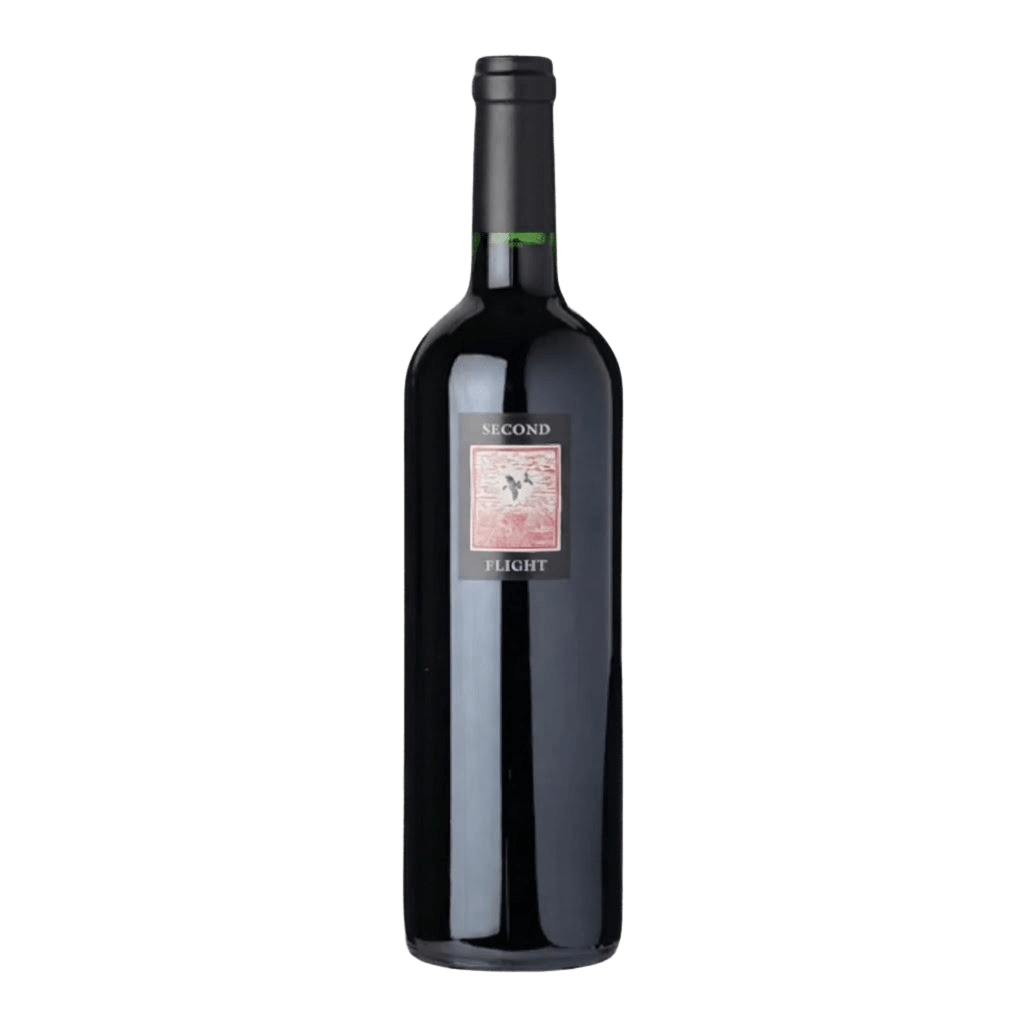
Screaming Eagle Winery and Vineyards
Screaming Eagle The Flight
2013
A limited-production, Merlot-led Oakville red from Screaming Eagle, combining aromatic intensity, vibrant fruit, fine tannins and the precision associated with this celebrated Napa Valley estate.
Country
United States
Region
Napa Valley
More information
Producer
Screaming Eagle Winery and Vineyards stands as one of the defining names in Napa Valley cult wine production, a benchmark estate whose Cabernet Sauvignon has achieved legendary status among collectors worldwide. Founded in 1986 by Jean Phillips and acquired by Stan Kroenke in 2006, the property comprises approximately 57 acres of meticulously farmed vineyards in the Oakville AVA. Its wines combine remarkable concentration with precision and elegance, reflecting the gravelly alluvial soils and ideal microclimate that define Oakville's finest terroirs.
Quick Facts
- Location: Oakville, Napa Valley, California, United States
- Founded: 1986
- Founder: Jean Phillips
- Ownership: Stan Kroenke (since 2006)
- Appellation: Oakville AVA
- Estate size: Approximately 57 acres of vineyards
- Principal grapes: Cabernet Sauvignon, Merlot, Cabernet Franc
- Additional variety: Sauvignon Blanc
- Soils: Well-drained alluvial gravels on valley floor and hillsides
- Grand Vin: Screaming Eagle Cabernet Sauvignon
- Second wine: Second Flight
- White wine: The Flight Sauvignon Blanc
- Annual production: 500 to 800 cases
- Style: Concentrated, structured and remarkably balanced
- Ageing potential: 20 to 40+ years
- Status: Investment-grade, auction benchmark
The Birth of a Cult Estate
Jean Phillips purchased the Oakville property in 1986, transforming what had been a modest vineyard into one of California's most celebrated wineries. The first vintage of Screaming Eagle Cabernet Sauvignon was produced in 1992 under the guidance of winemaker Heidi Peterson Barrett, whose work helped establish the estate's reputation for wines of extraordinary depth, balance and ageing potential.
Recognition came quickly. By the mid-1990s, Screaming Eagle had secured perfect scores from critics and begun appearing at auction with unprecedented frequency. The estate's combination of tiny production, meticulous vineyard management and unwavering commitment to quality over quantity created a phenomenon that redefined the Napa Valley collector wine landscape.
The Vineyards of Oakville
Screaming Eagle's approximately 57 acres are planted predominantly to Cabernet Sauvignon, with smaller blocks of Merlot and Cabernet Franc contributing complexity and structure to the flagship wine. The vineyards occupy gently sloping sites on Oakville's valley floor and lower hillsides, where well-drained gravelly alluvial soils encourage deep root development and natural vine balance.
Oakville's position in the centre of Napa Valley creates a particularly favourable mesoclimate. Warm days promote full phenolic ripeness, while cooling afternoon breezes from San Pablo Bay preserve natural acidity and aromatic freshness. These conditions allow Cabernet Sauvignon to ripen evenly and completely, producing wines of concentration without heaviness.
Vineyard work is deliberate and intensive. Rigorous fruit selection, low yields and precise canopy management ensure that only the finest fruit reaches the winery. Each parcel is farmed with exacting attention to detail, reflecting the estate's philosophy that exceptional wine begins in the vineyard.
Rarity and Precision
The flagship Screaming Eagle Cabernet Sauvignon is produced in quantities that rarely exceed 500 to 800 cases annually. This extreme scarcity, combined with consistent critical acclaim and perfect scores, has made it one of the most sought-after wines in the world and a cornerstone of serious collections.
Traditional winemaking techniques preserve the purity and character of the fruit. Fermentation is followed by careful élevage in French oak barrels, allowing the wine to develop complexity and structure while maintaining the balance and elegance that define the Oakville style. The result is a Cabernet of remarkable concentration, depth and precision, built to evolve gracefully over decades.
Second Flight, introduced as the estate's second wine, offers a more accessible expression of the property's terroir and winemaking philosophy. The Flight, a limited-production Sauvignon Blanc, demonstrates the estate's commitment to quality across varieties, combining intensity with refinement and aromatic clarity.
Investment-Grade Collectibility
Screaming Eagle occupies a unique position in the global wine market. Its bottles appear regularly at auction, consistently achieving prices that place them among the world's most valuable wines. Demand far exceeds supply, and access remains tightly controlled through the estate's mailing list and highly selective allocation.
The wine's reputation rests not on marketing but on measurable quality, critical consensus and proven cellar performance. Across multiple vintages and ownership transitions, Screaming Eagle has maintained a level of consistency and excellence that few producers achieve. It remains a benchmark for Napa Valley Cabernet Sauvignon and a defining example of what meticulous viticulture, limited production and uncompromising standards can produce from Oakville's distinguished terroir.
Country
Region
Napa Valley
Napa Valley is the most prestigious wine region in the United States and has become synonymous with world-class Cabernet Sauvignon and premium winemaking. Located in Northern California approximately 80 kilometres north of San Francisco, the valley combines exceptional growing conditions with pioneering innovation, producing wines that consistently rank among the finest in the world. Since the famous 1976 Judgment of Paris, when Napa wines triumphed over prestigious Bordeaux châteaux in a blind tasting, the region has established itself as one of the great wine regions alongside Bordeaux and Burgundy.
Despite covering a relatively small area of approximately 19,000 hectares, Napa Valley contains an extraordinary diversity of soils, elevations and microclimates across 16 distinct AVAs. Cool morning fog from San Pablo Bay moderates temperatures in the southern Carneros and Oak Knoll districts, providing ideal conditions for Chardonnay and Pinot Noir, while warmer northern appellations such as Calistoga and St. Helena favour bold Cabernet Sauvignon and Zinfandel. Mountain districts including Howell Mountain, Mount Veeder and Diamond Mountain produce wines of exceptional structure and complexity from volcanic and sedimentary soils. Benchmark appellations such as Oakville, Rutherford and Stags Leap District each contribute unique expressions of terroir, with Rutherford's famed "Rutherford Dust" tannins and Stags Leap's elegant, refined style.
The region is home to many internationally acclaimed estates, including Screaming Eagle, Opus One, Harlan Estate, Dominus Estate, Shafer Vineyards, Caymus Vineyards, Cakebread Cellars and Spottswoode. These producers represent a culture of meticulous vineyard management, sustainable viticulture and uncompromising quality that has made Napa Valley one of the world's most respected and collectible wine destinations.
Discover Napa Valley wines, compare prices from trusted merchants across Europe and find the best offers with Sipfind.
Grapes
Merlot is one of the world’s most important red wine grapes, celebrated for its generous fruit, supple texture and ability to produce wines ranging from approachable and elegant to exceptionally complex and long-lived. Originating in Bordeaux, France, Merlot is particularly associated with the Right Bank, where it forms the foundation of many of the prestigious wines of Pomerol and Saint-Émilion.
Merlot typically expresses flavours and aromas of plum, black cherry, blackberry and red fruits, often developing notes of chocolate, tobacco, cedar, herbs and earthy complexity with maturation. Its naturally rounded texture and generally softer tannin profile distinguish it from Cabernet Sauvignon, although the finest examples can possess considerable structure, freshness and ageing potential.
In Pomerol, Merlot reaches some of its most celebrated expressions, particularly on the appellation’s clay-rich soils, producing wines of remarkable concentration, texture and complexity. In Saint-Émilion, it is commonly blended with Cabernet Franc and, to a lesser extent, Cabernet Sauvignon, creating wines that combine ripe fruit with structure, aromatic complexity and longevity.
Beyond Bordeaux, Merlot is widely cultivated in Italy, California, Washington State, Chile and other major wine regions. It can be produced as a varietal wine or used as a central component of blends, where its fruit and texture complement more structured grape varieties.
From the great Merlot-based wines of Bordeaux’s Right Bank to leading expressions around the world, Merlot’s combination of rich fruit, refined texture and capacity to express terroir has established it as one of the defining varieties of fine red wine.
Cabernet Franc is one of France’s most historic red wine grapes, valued for its aromatic intensity, vibrant acidity and ability to express both climate and soil with remarkable clarity. It produces elegant single-varietal wines and plays an essential role in some of Bordeaux’s most distinguished blends. Earlier ripening than Cabernet Sauvignon allows Cabernet Franc to perform particularly well in cooler wine regions.
In the Loire Valley, Cabernet Franc reaches its clearest expression as a varietal wine. Typical aromas include redcurrant, raspberry, red cherry and violet, often accompanied by graphite, dried herbs, tobacco and subtle peppery notes. Naturally fresh acidity and finely structured tannins can produce approachable, fruit-driven wines as well as complex examples capable of developing for many years.
The variety is especially important in Chinon, Bourgueil and Saumur-Champigny. Chinon can range from fragrant and supple to deeply structured and age-worthy, depending on vineyard site and soil. Bourgueil often combines dark red fruit with firm structure, while Saumur-Champigny is renowned for freshness, aromatic purity and refined texture. Limestone-rich tuffeau, gravel, sand and clay all contribute to the diversity of Cabernet Franc across these Loire appellations.
In Bordeaux, Cabernet Franc is principally associated with the Right Bank, particularly Saint-Émilion and Pomerol. Usually blended with Merlot and sometimes Cabernet Sauvignon, it contributes perfume, freshness, savoury complexity and structural precision. On suitable limestone and clay terroirs, Cabernet Franc can become a dominant component of exceptionally refined and long-lived wines.
Beyond France, Cabernet Franc is cultivated in regions including Tuscany, Bolgheri, Napa Valley, Washington State, Canada, Argentina and Chile, producing styles shaped by local climate and terroir. Traditionally known as Breton in the Loire and Bouchet in parts of Bordeaux, Cabernet Franc’s combination of aromatic elegance, freshness and ageing potential establishes it as one of the world’s great red wine varieties.
Cabernet Sauvignon is one of the world’s most important and widely planted red wine grapes, renowned for its powerful structure, concentrated fruit and exceptional ageing potential. Originating in Bordeaux, France, the variety has become a defining grape of fine wine regions around the world, particularly Napa Valley, Tuscany, Chile, Australia and South Africa.
Classic Cabernet Sauvignon combines flavours and aromas of blackcurrant, cassis, blackberry and dark cherry with characteristic notes of cedar, graphite, tobacco and herbs. Naturally high tannins and fresh acidity provide structure and longevity, while maturation in oak can add layers of spice, vanilla and toast. Its character varies significantly with climate, soil and winemaking, ranging from elegant and savoury to rich, powerful and intensely concentrated.
In Bordeaux, Cabernet Sauvignon is particularly associated with the Left Bank, where it forms the foundation of many prestigious blends alongside Merlot, Cabernet Franc and other permitted varieties. In Napa Valley, it has become the region’s signature red grape, producing some of the world’s most sought-after Cabernet Sauvignon wines.
Cabernet Sauvignon’s ability to express terroir while retaining its distinctive structure and character has made it a global benchmark for premium red wine. Whether produced as the dominant variety in a blend or as a varietal wine, the finest examples combine concentration, complexity and the capacity to develop gracefully over decades
History and Style
Screaming Eagle The Flight
The Flight is Screaming Eagle's Merlot-led estate wine from Oakville in Napa Valley. Produced in extremely limited quantities, it provides a different expression of the same estate that produces Screaming Eagle's Cabernet Sauvignon-led flagship wine.
Merlot forms the foundation of The Flight, supported by Cabernet Sauvignon and, in many vintages, Cabernet Franc. Rather than simply reproducing the structure of the flagship at a different level, The Flight has developed its own identity around perfume, freshness, supple texture and finely integrated tannins. Estate winemaker Nick Gislason has specifically described the Cabernet selected for The Flight as being chosen for freshness, lightness and perfume rather than firmer Cabernet tannins.
Quick Facts
- Producer: Screaming Eagle
- Wine: The Flight
- Category: Red Wine / Proprietary Red Blend
- Origin: Oakville, Napa Valley, California, USA
- Principal Grape: Merlot
- Supporting Grapes: Cabernet Sauvignon and Cabernet Franc, depending on vintage
History and Identity
The wine was originally known as Second Flight before adopting the name The Flight. Bottles of both Second Flight and The Flight have been included in Screaming Eagle's authentication programme, confirming their position as distinct estate wines within the producer's portfolio.
Although frequently described as Screaming Eagle's second wine, The Flight has developed a clearly differentiated identity. Its Merlot-led composition separates it fundamentally from the estate's Cabernet Sauvignon-dominant flagship.
That distinction is important for Sipfind:
Screaming Eagle ≠ The Flight
The two should exist as separate master wine entities rather than treating The Flight merely as another version of Screaming Eagle Cabernet Sauvignon.
Vineyards and Terroir
The Flight comes from the Screaming Eagle estate in Oakville, in the heart of Napa Valley.
Its identity is closely connected to the estate's Merlot parcels. For the 2021 wine, for example, the core Merlot came from older vines growing on cobbly soils towards the front of the property. The estate also identifies particular Cabernet material for The Flight based on freshness, perfume and brightness.
Oakville's warm growing conditions provide ripeness and concentration, while the particular soils, vineyard positioning and selection practised at Screaming Eagle allow The Flight to retain freshness and aromatic definition.
Precise parcel sourcing should nevertheless remain vintage-specific within Sipfind unless Screaming Eagle establishes it as a permanent characteristic of the wine.
Blend
Merlot is the defining grape of The Flight, with Cabernet Sauvignon and Cabernet Franc providing additional structure and aromatic complexity according to vintage.
The blend can vary substantially. The 2020 was reported as 64% Merlot and 36% Cabernet Sauvignon, while the acclaimed 2021 comprised 65% Merlot, 19% Cabernet Sauvignon and 16% Cabernet Franc.
This makes it particularly important that Sipfind does not attach one fixed blend to the master product.
Instead:
Master identity: Merlot-led Bordeaux-variety blend.
Vintage page: exact Merlot / Cabernet Sauvignon / Cabernet Franc percentages.
Production and Maturation
The Flight is produced through the same exacting estate philosophy that defines Screaming Eagle, with vineyard and cellar selection determining the final composition of each vintage.
Its élevage contributes polish and integration while preserving the aromatic and textural character of the fruit.
Because barrel selection, maturation details, alcohol and production can change between vintages, these technical attributes should be maintained at vintage level rather than permanently assigned to the master wine.
The same applies to exact production quantities: The Flight is a limited-production wine, but Sipfind should avoid assigning one universal case-production figure across all vintages.
Style and Tasting Profile
The Flight typically emphasises perfume, freshness and texture rather than sheer Cabernet-driven power.
Merlot provides the wine's central fruit and supple texture, while Cabernet Sauvignon can contribute structure and Cabernet Franc additional aromatic complexity when included.
Across different vintages, critics have identified red and dark fruits, floral notes and mineral or savoury complexity, but individual tasting descriptors vary considerably with the growing season. The 2021, for example, was considerably more structured than some earlier releases.
The stable stylistic identity is therefore better expressed as:
Merlot → aromatic fruit → perfume → freshness → fine tannins → polished structure → balance → persistent finish
rather than attaching one vintage's tasting notes permanently to the wine.
Ageing and Serving
The Flight combines accessibility with meaningful ageing potential, although its evolution varies significantly by vintage.
Some releases can show their aromatic and textural character relatively early, while more structured years benefit from additional bottle maturation. The 2021, for example, has been specifically described by critics as a wine requiring cellar time.
For this reason, Sipfind should attach drinking windows to individual vintage pages, not the master expression.
Explore Screaming Eagle The Flight on Sipfind
Compare vintages, critic scores, availability and current prices for Screaming Eagle The Flight from trusted wine merchants.