
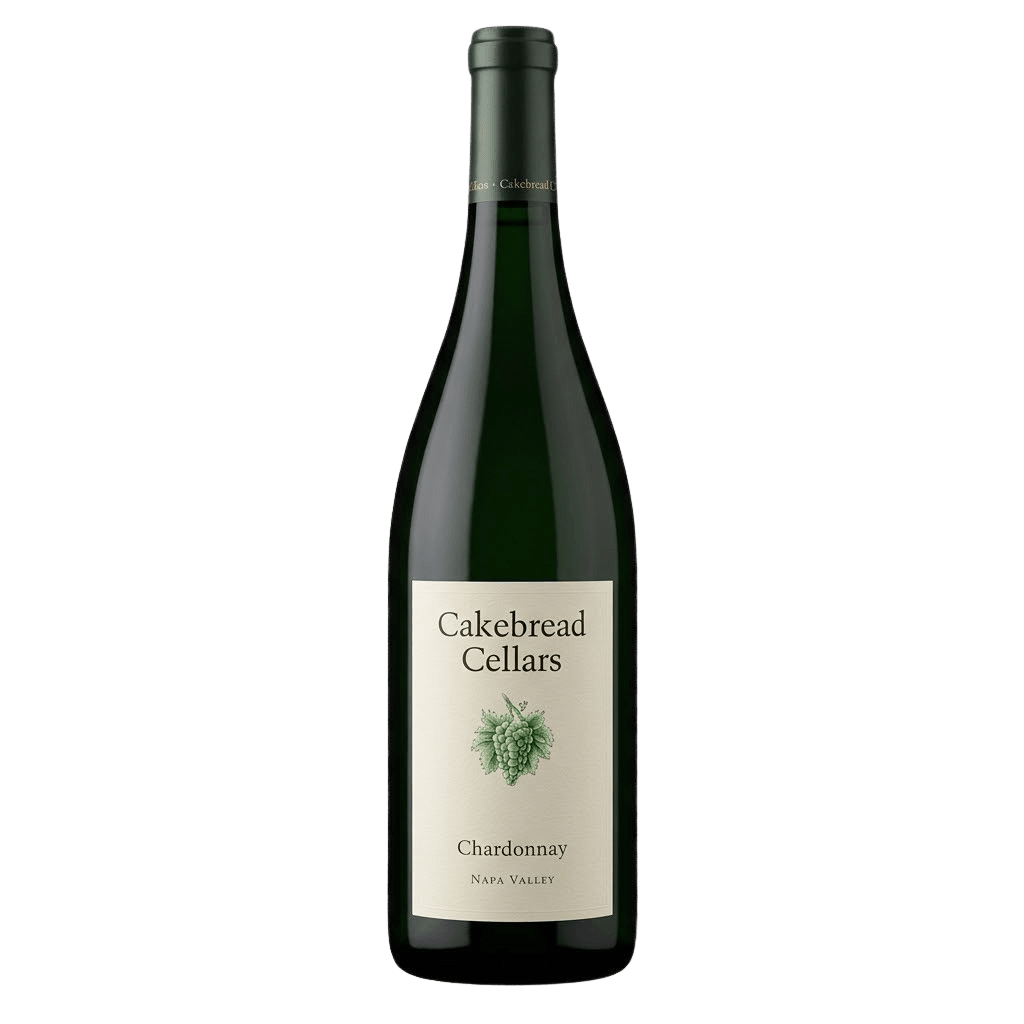
Cakebread Cellars
Cakebread Cellars Chardonnay
2001
Cakebread Cellars Chardonnay represents the estate's signature expression of Napa Valley Chardonnay—a barrel-fermented wine that has become synonymous with balanced, food-friendly elegance and consistent quality across vintages.
Country
United States
Region
Napa Valley
More information
Producer
Founded in 1973 by Jack and Dolores Cakebread, Cakebread Cellars has established itself as one of Napa Valley's most respected family-owned wineries, with a reputation built over five decades for consistent quality and refined expression. Based in Rutherford and now led by the second generation of the Cakebread family, the estate draws fruit from multiple vineyard sites spanning Napa Valley's varied appellations. The wines balance California ripeness with freshness, structure and the elegance that has made them a benchmark for food-friendly Napa Valley winemaking.
Quick Facts
- Location: Rutherford, Napa Valley, California, USA
- Founded: 1973
- Founders: Jack and Dolores Cakebread
- Ownership: Second-generation Cakebread family
- Principal grapes: Chardonnay, Cabernet Sauvignon, Sauvignon Blanc, Merlot
- Estate vineyards: Multiple sites across Napa Valley, including holdings in Rutherford, Carneros and southern valley locations
- Soils: Volcanic, gravelly loam and alluvial deposits
- Signature wine: Napa Valley Chardonnay
- Flagship red: Napa Valley Cabernet Sauvignon
- Style: Balanced, elegant and structured with freshness
- Viticulture: Sustainable vineyard management
- Ageing potential: 10–20 years for Cabernet Sauvignon, 5–10 years for Chardonnay
From Photography to Winemaking
Jack Cakebread's journey into wine began unexpectedly. A professional photographer working in the automotive industry, he was commissioned in the early 1970s to photograph Napa Valley wineries for a book project. The assignment sparked a lasting fascination with viticulture and winemaking.
In 1973, Jack and his wife Dolores purchased a 22-acre property in Rutherford, originally intending to sell the grapes. Instead, they decided to make wine themselves, establishing Cakebread Cellars and joining a generation of visionary newcomers who helped define modern Napa Valley. Jack's background in photography informed his meticulous attention to detail—a quality that would become central to the estate's winemaking philosophy.
Vineyards Across Napa Valley's Appellations
Rather than relying on a single estate, Cakebread Cellars sources fruit from carefully selected vineyard sites distributed across Napa Valley. This approach allows the winery to capture the diversity of the region's microclimates and soil types, from the cooler, marine-influenced sites of Carneros to the warmer, well-drained gravels of Rutherford and the volcanic soils found elsewhere in the valley.
The estate's Carneros vineyards, benefiting from cooling fog and breezes from San Pablo Bay, provide the foundation for Cakebread's Chardonnay programme. These cooler conditions slow ripening and preserve natural acidity, contributing to wines with balance and freshness. The Rutherford holdings, situated on classic Napa Valley benchland, yield Cabernet Sauvignon with structure, concentration and the regional character often described as "Rutherford dust."
Sustainable practices guide vineyard management across all sites. Minimal intervention and careful attention to canopy management, yield control and harvest timing ensure that each parcel contributes distinct character to the final blends.
The Chardonnay and Cabernet Benchmark
Cakebread Cellars is particularly recognised for its Napa Valley Chardonnay, a wine that has become a reference point for the variety in California. Fermented and aged in French oak barrels with partial malolactic fermentation, it combines ripe stone fruit, citrus and subtle spice with freshness and texture. The result is a Chardonnay that offers richness without heaviness—a style that pairs naturally with food.
The estate's Napa Valley Cabernet Sauvignon reflects the complementary character of multiple vineyard sources. Blended with small proportions of Merlot, Cabernet Franc and occasionally other Bordeaux varieties, it presents concentrated dark fruit, fine-grained tannins and a structure built for ageing. Reserve-tier bottlings, including vineyard-designated Cabernets, showcase individual sites with greater precision and depth.
Sauvignon Blanc and Merlot round out the core portfolio, each crafted with the same commitment to balance and site expression that defines the estate's approach. Across five decades and through changing ownership within the family, Cakebread Cellars has remained focused on producing wines that honour both place and tradition.
Country
Region
Napa Valley
Napa Valley is the most prestigious wine region in the United States and has become synonymous with world-class Cabernet Sauvignon and premium winemaking. Located in Northern California approximately 80 kilometres north of San Francisco, the valley combines exceptional growing conditions with pioneering innovation, producing wines that consistently rank among the finest in the world. Since the famous 1976 Judgment of Paris, when Napa wines triumphed over prestigious Bordeaux châteaux in a blind tasting, the region has established itself as one of the great wine regions alongside Bordeaux and Burgundy.
Despite covering a relatively small area of approximately 19,000 hectares, Napa Valley contains an extraordinary diversity of soils, elevations and microclimates across 16 distinct AVAs. Cool morning fog from San Pablo Bay moderates temperatures in the southern Carneros and Oak Knoll districts, providing ideal conditions for Chardonnay and Pinot Noir, while warmer northern appellations such as Calistoga and St. Helena favour bold Cabernet Sauvignon and Zinfandel. Mountain districts including Howell Mountain, Mount Veeder and Diamond Mountain produce wines of exceptional structure and complexity from volcanic and sedimentary soils. Benchmark appellations such as Oakville, Rutherford and Stags Leap District each contribute unique expressions of terroir, with Rutherford's famed "Rutherford Dust" tannins and Stags Leap's elegant, refined style.
The region is home to many internationally acclaimed estates, including Screaming Eagle, Opus One, Harlan Estate, Dominus Estate, Shafer Vineyards, Caymus Vineyards, Cakebread Cellars and Spottswoode. These producers represent a culture of meticulous vineyard management, sustainable viticulture and uncompromising quality that has made Napa Valley one of the world's most respected and collectible wine destinations.
Discover Napa Valley wines, compare prices from trusted merchants across Europe and find the best offers with Sipfind.
Grapes
Chardonnay is one of the world’s most important and prestigious white wine grapes, renowned for its remarkable versatility and ability to reflect both terroir and winemaking style. Most famously associated with Burgundy and Champagne in France, Chardonnay is cultivated across virtually every major wine-producing country and can produce everything from precise, mineral-driven whites to rich, complex wines with exceptional ageing potential.
In Burgundy, Chardonnay reaches some of its most celebrated expressions. The limestone-rich vineyards of Chablis are known for wines combining vibrant acidity, citrus character and mineral precision, while the Côte de Beaune, particularly appellations such as Meursault, Puligny-Montrachet and Chassagne-Montrachet, produces some of the world’s most sought-after and age-worthy white wines.
Chardonnay also plays a fundamental role in Champagne, where it contributes freshness, finesse and acidity to blends alongside Pinot Noir and Meunier. When produced exclusively from Chardonnay, the resulting Champagne is known as Blanc de Blancs, a style prized for its elegance, precision and capacity to develop considerable complexity with extended ageing.
The grape’s character varies significantly according to climate, terroir and winemaking. Cooler regions can produce wines showing citrus, green apple, white flowers and mineral notes, while warmer conditions can bring peach, melon and tropical-fruit character. Oak fermentation, barrel ageing and malolactic fermentation can introduce additional layers of toast, vanilla, butter and hazelnut, demonstrating Chardonnay’s exceptional stylistic range.
Beyond France, Chardonnay has established important expressions in California, Australia, New Zealand, South Africa and numerous other wine regions. From the mineral whites of Chablis and the great vineyards of Burgundy to Blanc de Blancs Champagne and modern New World interpretations, Chardonnay’s combination of versatility, complexity and terroir expression has established it as one of the defining grape varieties of fine wine.
History and Style
Cakebread Cellars Chardonnay is the flagship estate wine of Cakebread Cellars, a family-owned Napa Valley winery founded in 1973. Produced annually from carefully selected vineyard sources across the appellation, this Chardonnay has become one of California's most recognized expressions of the variety, known for its commitment to balance, elegance, and food compatibility rather than overt richness.
Quick Facts
- Producer: Cakebread Cellars
- Classification: Estate Wine
- Region: Napa Valley
- Appellation: Napa Valley AVA
- Country: United States
- Style: Barrel-fermented Napa Valley Chardonnay
- Grape Composition: 100% Chardonnay
- Ageing Potential: 5-8 years from vintage
- Alcohol (ABV): 13.5-14.5% (typical for Napa Chardonnay)
- Tasting Profile: Apple, pear, citrus, vanilla, butter, toasted oak, creamy texture with bright acidity
- Food Pairing: Roasted chicken, lobster, grilled fish, creamy pasta, soft cheeses
- Serving Temperature: 10-13°C
- Bottle Status: Flagship
- Vintage: Non-Vintage (annual release)
Vineyard, Terroir and Style
The wine draws from premium vineyard sites throughout Napa Valley, including estate holdings and long-term grower partnerships that provide diverse microclimates and soil types. This multi-vineyard approach allows the winemaking team to craft a wine of complexity and consistency, blending the best characteristics of each site to achieve the estate's signature style. The fruit benefits from Napa's warm days and cool evening breezes, which preserve natural acidity while developing ripe, expressive flavors.
History and Reputation
Cakebread's winemaking approach emphasizes barrel fermentation in French oak, partial malolactic fermentation, and extended lees aging to build texture and complexity. The resulting wine typically showcases aromas of apple, pear, citrus, and subtle vanilla, with a creamy yet vibrant palate that balances fruit intensity with fresh acidity and minerality. This balanced profile has made it a favorite in fine dining establishments and among wine enthusiasts seeking approachable yet sophisticated Chardonnay.
Whether you're exploring Napa Valley's white wine offerings or seeking a versatile Chardonnay for special occasions, use Sipfind to compare prices across premium retailers and discover the best value for this benchmark California wine.