
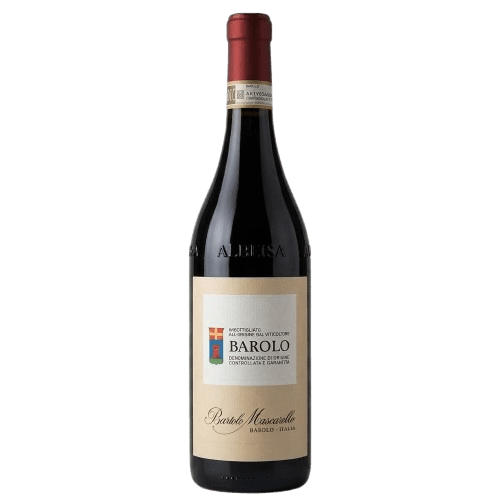
Bartolo Mascarello
Bartolo Mascarello Barolo
2001
Bartolo Mascarello Barolo represents one of the Langhe's most venerated expressions of traditional Barolo, crafted from Nebbiolo across historic crus with unwavering commitment to classical winemaking and terroir authenticity.
Country
Italy
Region
Barolo/Barbaresco - Barolo/Barbaresco
Scoring
More information
Producer
Bartolo Mascarello is one of the most respected traditional estates in Barolo and a defining voice in the defence of classical Piedmont winemaking. Based in the commune of Barolo and now led by Maria Teresa Mascarello following the death of her father Bartolo in 2005, the estate produces Nebbiolo wines from historic crus that are renowned for their purity, balance and extraordinary ageing potential. The house style remains rooted in long maceration, large Slavonian oak cask maturation and an uncompromising commitment to terroir expression over commercial fashion.
Quick Facts
- Location: Barolo, Piedmont, Italy
- Founded: Early 20th century
- Classification: Barolo DOCG
- Ownership: Maria Teresa Mascarello, family estate
- Principal grapes: Nebbiolo, Dolcetto, Barbera
- Core vineyards: Parcels in Cannubi, San Lorenzo and Rué
- Soils: Calcareous marl with south-facing exposures
- Grand Vin: Barolo – a multi-cru blend from historic sites
- Other wines: Barolo Riserva (select vintages), Dolcetto d'Alba, Barbera d'Alba
- Style: Traditional, structured yet elegant, built for extended cellaring
- Ageing potential: 20 to 40 years and beyond for Barolo
- Viticulture: Minimal intervention, respect for natural balance
A Defender of Barolo's Classical Identity
Bartolo Mascarello assumed stewardship of the family estate in the decades following the Second World War and became one of the most articulate and steadfast defenders of traditional Barolo. During the 1980s and 1990s, when many producers adopted shorter macerations, new French oak and international styling, Bartolo refused to alter his methods. He continued to work with large Slavonian botti, extended skin contact and patient cellar maturation, insisting that Barolo's identity lay in its transparency to place rather than winemaking intervention.
His position was grounded not in nostalgia but in a profound understanding of Nebbiolo and the particular character of Barolo's calcareous marl soils. The estate's influence extended far beyond its modest production, shaping a generation of winemakers who sought to preserve the region's heritage.
The Vineyards of Cannubi, San Lorenzo and Rué
The estate's holdings are distributed across three of Barolo's most distinguished crus. Cannubi, perhaps the most historically celebrated vineyard in the appellation, contributes aromatic complexity and elegance. San Lorenzo, located in the neighbouring commune of Verduno, brings structure and mineral tension. Rué, a steep parcel within the commune of Barolo, adds depth, concentration and earthy power.
Each parcel is farmed with minimal chemical intervention and planted to Nebbiolo clones suited to the specific site. Yields are naturally controlled through vine age, traditional pruning and careful canopy management. The resulting fruit is hand-harvested at full phenolic ripeness, typically in mid to late October.
The estate's flagship Barolo is a blend of fruit from all three vineyards, unified in the cellar to create a wine that expresses the breadth and complexity of Barolo rather than the singularity of one cru. This approach reflects Bartolo's belief that the appellation's identity is rooted in diversity and balance.
Traditional Winemaking Without Compromise
Fermentation takes place in large upright wooden vats with extended maceration lasting 30 to 40 days or longer, allowing slow extraction of tannin, colour and aromatic compounds. Following fermentation, the wine is matured for approximately three years in large Slavonian oak botti, vessels that permit gradual oxygenation without imposing oak flavour.
No temperature control, no selected yeasts, no concentration techniques and no new wood are employed. The estate relies instead on healthy fruit, natural fermentation and time to shape the wine. The result is a Barolo of remarkable transparency: structured yet refined, with classic notes of rose petal, tar, dried cherry and forest floor that evolve gracefully across decades.
Maria Teresa Mascarello has continued her father's methods with unwavering fidelity since 2005. The wines remain benchmarks of traditional Piedmont craftsmanship and among the most sought-after expressions of Nebbiolo produced anywhere in Italy.
Country
Region
Barolo/Barbaresco - Barolo/Barbaresco
Barolo and Barbaresco are widely regarded as Italy's most prestigious wine regions and represent the benchmark for Nebbiolo worldwide. Located in the Langhe hills of Piedmont in northwestern Italy, these neighbouring DOCG appellations combine centuries of winemaking tradition with exceptional terroir, producing some of the most sought-after and age-worthy wines in the world. Often described as the 'King and Queen of Italian wine', Barolo and Barbaresco have established Piedmont as one of the greatest fine wine regions alongside Bordeaux and Burgundy.
The regions benefit from a continental climate moderated by Alpine influences, with calcareous marl and sandstone soils that create ideal conditions for Nebbiolo. Barolo covers eleven communes including the renowned crus of Cannubi, Brunate and Bussia, producing powerful, structured wines that require extended ageing. Barbaresco, located northeast of Barolo, encompasses four communes and produces wines that are typically more approachable in their youth while retaining remarkable elegance and complexity. Both regions demonstrate extraordinary site-specific expression, with individual vineyards—known as Menzioni Geografiche Aggiuntive (MGAs)—producing distinct interpretations of Nebbiolo's signature aromas of rose, tar, cherry and truffle.
The regions are home to legendary producers including Giacomo Conterno, Bruno Giacosa, Bartolo Mascarello, Giuseppe Rinaldi, Gaja, Produttori del Barbaresco and Roagna. Together these estates represent a culture of meticulous vineyard management, respect for tradition and uncompromising quality that has made Barolo and Barbaresco among the world's most collectible wines.
Whether exploring historic vintages, renowned crus or iconic producers, Barolo and Barbaresco offer an unrivalled journey through Italy's finest wine heritage. Discover Barolo/Barbaresco wines, compare prices from trusted merchants across Europe and find the best offers with Sipfind.
Grapes
Nebbiolo is the noble red grape of Piedmont in northwestern Italy, best known as the variety behind the celebrated wines of Barolo and Barbaresco. Despite its relatively pale colour, Nebbiolo produces wines of remarkable structure, complexity and longevity, combining naturally high acidity with powerful tannins.
Classic Nebbiolo is distinguished by an expressive aromatic profile of red cherry, rose, violet and dried flowers, often developing notes of spice, herbs, leather, tobacco and truffle with age. The grape is particularly sensitive to its growing site, allowing differences in soil, altitude and exposure to create highly distinctive expressions.
Nebbiolo reaches its greatest fame in the Langhe hills, where Barolo and Barbaresco demonstrate the grape’s exceptional capacity for ageing and reflecting terroir. Beyond these renowned appellations, Nebbiolo is also cultivated across northern Piedmont and parts of Lombardy, producing styles ranging from elegant and aromatic to intensely structured.
Its combination of perfume, acidity, tannin and longevity has established Nebbiolo as one of Italy’s most important and distinctive red grape varieties.
History and Style
Bartolo Mascarello Barolo stands as a flagship wine that embodies the philosophy of classical Barolo production. This Nebbiolo-based wine from Piedmont's Barolo DOCG is crafted from four historic crus—Cannubi, San Lorenzo, Rué, and Rocche—blended together to create a harmonious expression that prioritizes balance and terroir integrity over single-vineyard emphasis.
Quick Facts
- Producer: Bartolo Mascarello
- Classification: Barolo DOCG
- Region: Piedmont
- Appellation: Barolo DOCG
- Country: Italy
- Style: Traditional, multi-cru Barolo
- Grape Composition: 100% Nebbiolo
- Ageing Potential: 20-40+ years from vintage
- Alcohol (ABV): 13.5-14.5%
- Tasting Profile: Rose petal, tar, cherry, earth, dried herbs, leather, tobacco, truffle
- Food Pairing: Braised meats, game, truffle dishes, aged cheeses, risotto
- Serving Temperature: 16-18°C
- Bottle Status: Flagship
- Vintage: Varies by release (vintage wine)
Vineyard, Terroir and Style
The estate, guided for decades by the legendary Bartolo Mascarello and now by his daughter Maria Teresa, has steadfastly maintained traditional methods in an era of modernization. Long maceration periods, large Slavonian oak botti for maturation, and minimal intervention allow the Nebbiolo grape and the estate's exceptional vineyard holdings to speak clearly. The parcels span some of Barolo's most renowned sites, each contributing distinctive character to the final blend.
History and Reputation
In the glass, this flagship Barolo reveals classic Nebbiolo hallmarks: rose petal, tar, cherry, earth, and dried herbs, supported by firm tannins and vibrant acidity. The multi-cru approach yields wines of remarkable complexity and elegance, with structure built for extended cellaring. Vintages evolve gracefully over decades, developing tertiary notes of leather, tobacco, and truffle while maintaining extraordinary freshness.
For collectors and traditionalists seeking authentic Barolo that honors historical practices and the Langhe's viticultural heritage, Bartolo Mascarello represents an essential benchmark. Compare prices across premium retailers on Sipfind to secure this iconic expression of Piedmontese winemaking at the best available rate.