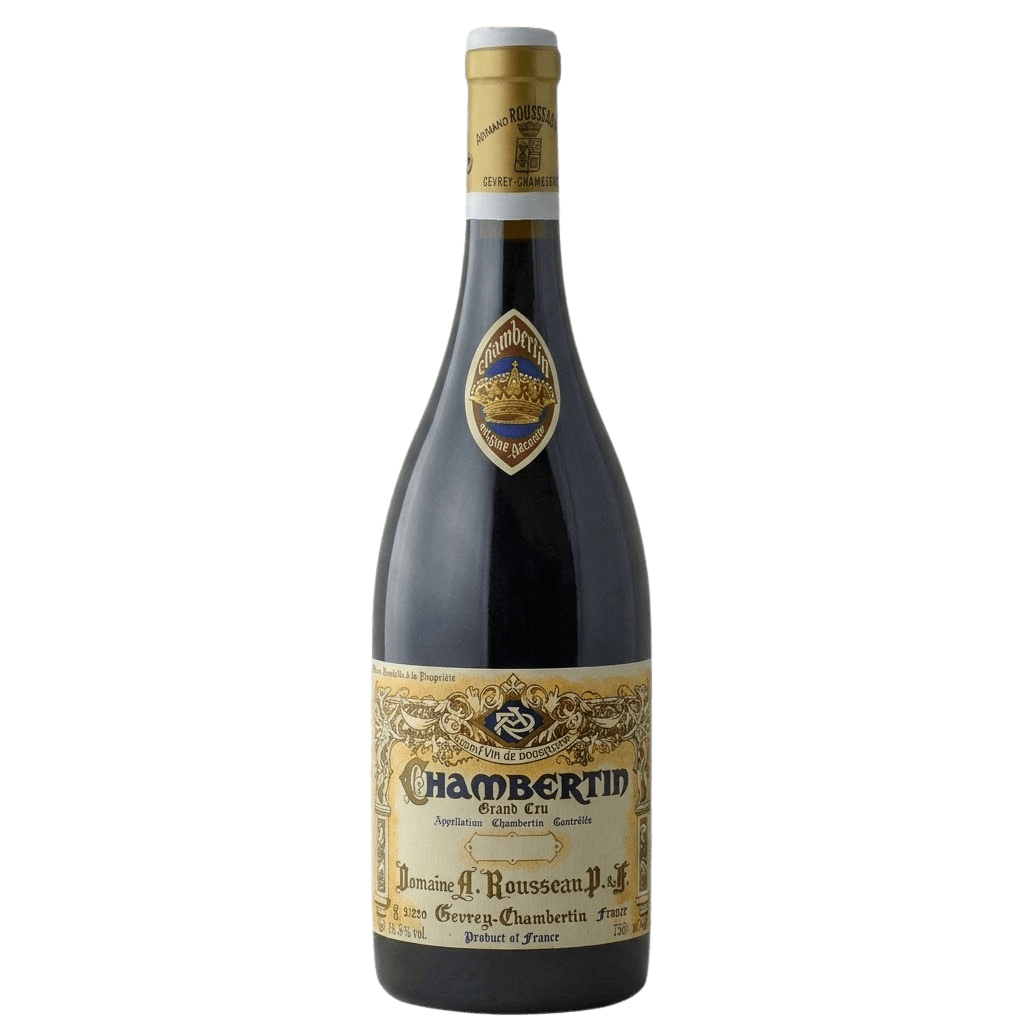
Louis Jadot Beaune Villages
France
Bourgogne - Cote de Beaune
89/100
Discover the world's finest red wines, from iconic Bordeaux blends and elegant Pinot Noir to powerful Cabernet Sauvignon, Syrah and Tempranillo. Compare prices from trusted wine merchants across Europe with Sipfind.
Red wine encompasses an extraordinary range of styles, from fragrant, light-bodied wines with delicate tannins to concentrated, structured wines capable of developing for decades. Its character is shaped by grape variety, climate, vineyard site and winemaking, creating distinctive expressions across the world's major wine regions.
Explore red wines on Sipfind by producer, region, grape variety and vintage, compare critic scores and discover current prices and availability from trusted wine merchants.
Red wine is produced primarily from dark-skinned grape varieties, with colour, tannin and many flavour compounds extracted from the grape skins during fermentation and maceration.
The length and method of skin contact, fermentation temperature, extraction and maturation all influence the finished wine. Ageing may take place in stainless steel, concrete, amphora, large wooden vessels or oak barrels, depending on the variety, region and intended style.
A relatively small group of varieties forms the foundation of many of the world's most recognised red wines.
Cabernet Sauvignon is associated with structured, age-worthy wines and is central to Bordeaux's Left Bank as well as major wine regions including Napa Valley.
Merlot generally brings generous fruit and supple texture and is particularly important on Bordeaux's Right Bank, while also producing distinctive varietal wines in regions such as Tuscany.
Pinot Noir is responsible for some of Burgundy's most celebrated red wines and is prized for its aromatic complexity, freshness and ability to express individual vineyard sites.
Sangiovese lies at the heart of many Tuscan wines, including Chianti Classico and Brunello di Montalcino, typically combining red fruit, acidity and savoury complexity.
Nebbiolo, the principal grape of Barolo and Barbaresco, combines aromatic delicacy with pronounced acidity, tannic structure and considerable ageing potential.
Syrah ranges from structured, savoury expressions in the Northern Rhône to richer styles in warmer climates, where it may also be known as Shiraz.
Other important varieties include Tempranillo, Grenache, Cabernet Franc, Malbec, Mourvèdre and Zinfandel, each contributing distinctive regional and stylistic identities.
Bordeaux is defined by Cabernet Sauvignon, Merlot, Cabernet Franc and other permitted varieties, producing everything from structured Left Bank wines to Merlot- and Cabernet Franc-led expressions on the Right Bank.
Burgundy is centred overwhelmingly on Pinot Noir for red wine, with individual villages and vineyards capable of producing markedly different expressions from the same grape variety.
Tuscany combines its historic Sangiovese tradition with international varieties such as Cabernet Sauvignon and Merlot, encompassing Chianti Classico, Brunello di Montalcino, Bolgheri and other distinctive territories.
Piedmont is home to Nebbiolo and the renowned wines of Barolo and Barbaresco, alongside varieties including Barbera and Dolcetto.
Rioja and Ribera del Duero demonstrate different expressions of Tempranillo, while the Rhône Valley is particularly associated with Syrah in the north and Grenache-led blends in much of the south.
Beyond Europe, regions including Napa Valley, Sonoma, Mendoza, Barossa Valley, McLaren Vale, Central Otago and Stellenbosch have developed distinctive identities around both international and regional grape varieties.
Red wine cannot be defined by a single flavour or structure.
Lighter styles may emphasise fresh red fruit, floral aromatics, acidity and delicate tannins, while fuller-bodied wines can display dark fruit, greater concentration, firmer tannins and more pronounced oak influence.
Climate, altitude, soils, grape variety, vine age, yields and harvest decisions all contribute to these differences. Winemaking choices — particularly extraction and maturation — further shape texture, complexity and ageing potential.
The result ranges from youthful wines intended for early drinking to structured wines capable of evolving in bottle over many years.
Vintage can play an important role in red wine because weather conditions influence ripeness, acidity, tannin development and yields.
Its importance varies by region and wine. In regions with substantial vintage variation, individual years can produce noticeably different expressions of the same vineyard or estate.
Bottle ageing can gradually transform primary fruit into more complex secondary and tertiary characteristics while allowing tannins and other structural components to evolve. However, ageing potential depends on the individual wine rather than simply its colour, price or region.
Sipfind brings together red wines from leading producers and regions in one structured discovery experience.
Explore individual wines and vintages, understand their origins, grape varieties and styles, compare professional critic scores where available, and find current prices from trusted wine merchants.
Discover red wines by producer, region, grape variety and vintage. Compare critic scores, availability and current prices from trusted wine merchants.
Number of red wine: 231 pcs.
Louis Jadot Beaune Villages
France
Bourgogne - Cote de Beaune
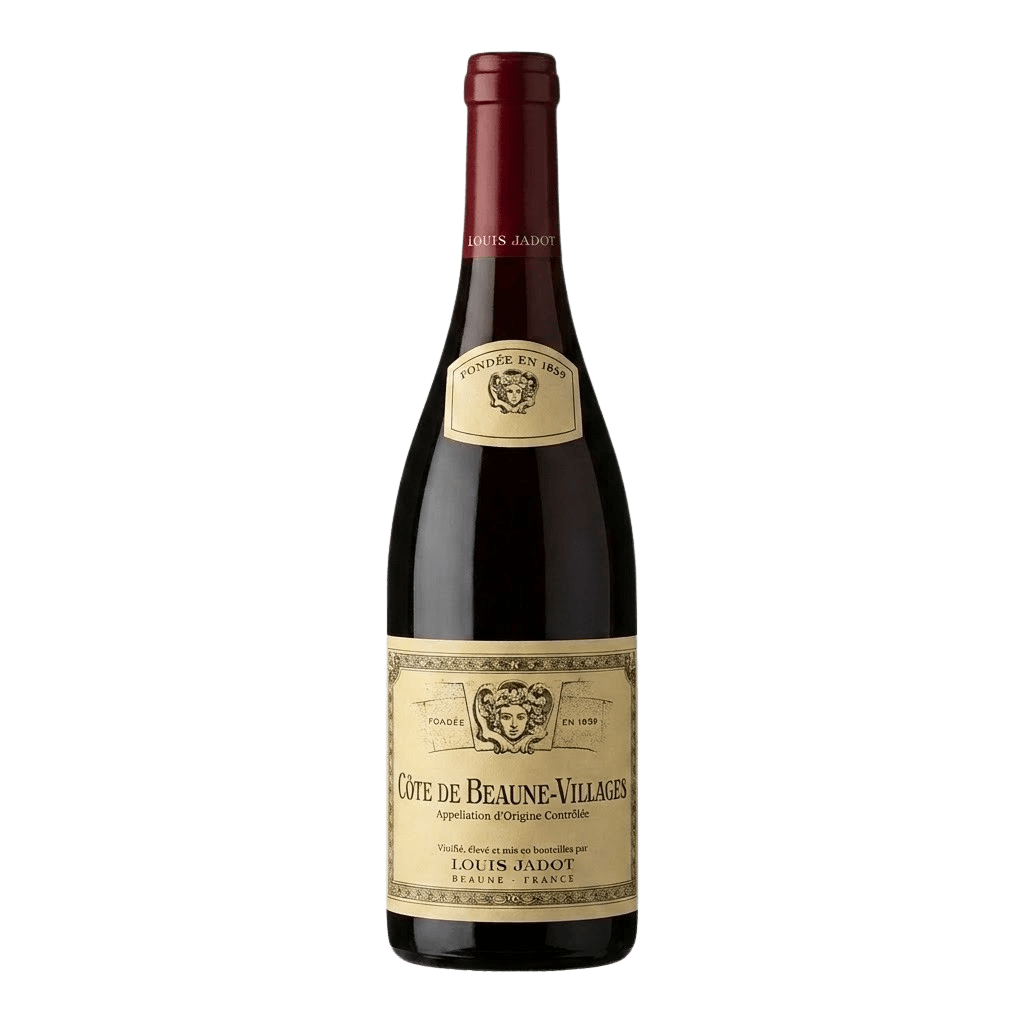
Louis Jadot Chambolle-Musigny Premier Cru Les Fuées
France
Bourgogne - Cote de Nuits
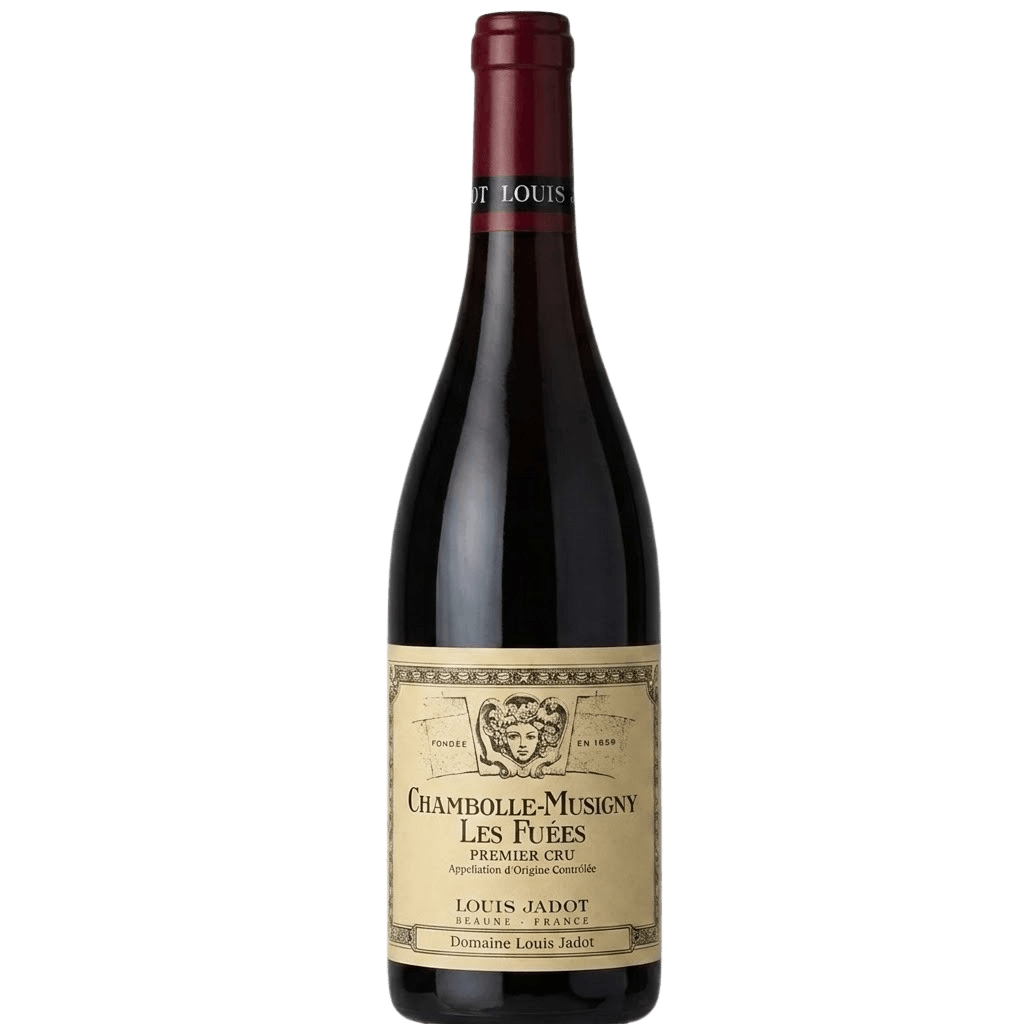
Domaine Armand Rousseau Gevrey-Chambertin Village
France
Bourgogne - Cote de Nuits