La Rioja Alta Rioja Viña Ardanza Reserva
2019
32EUR
incl. VAT
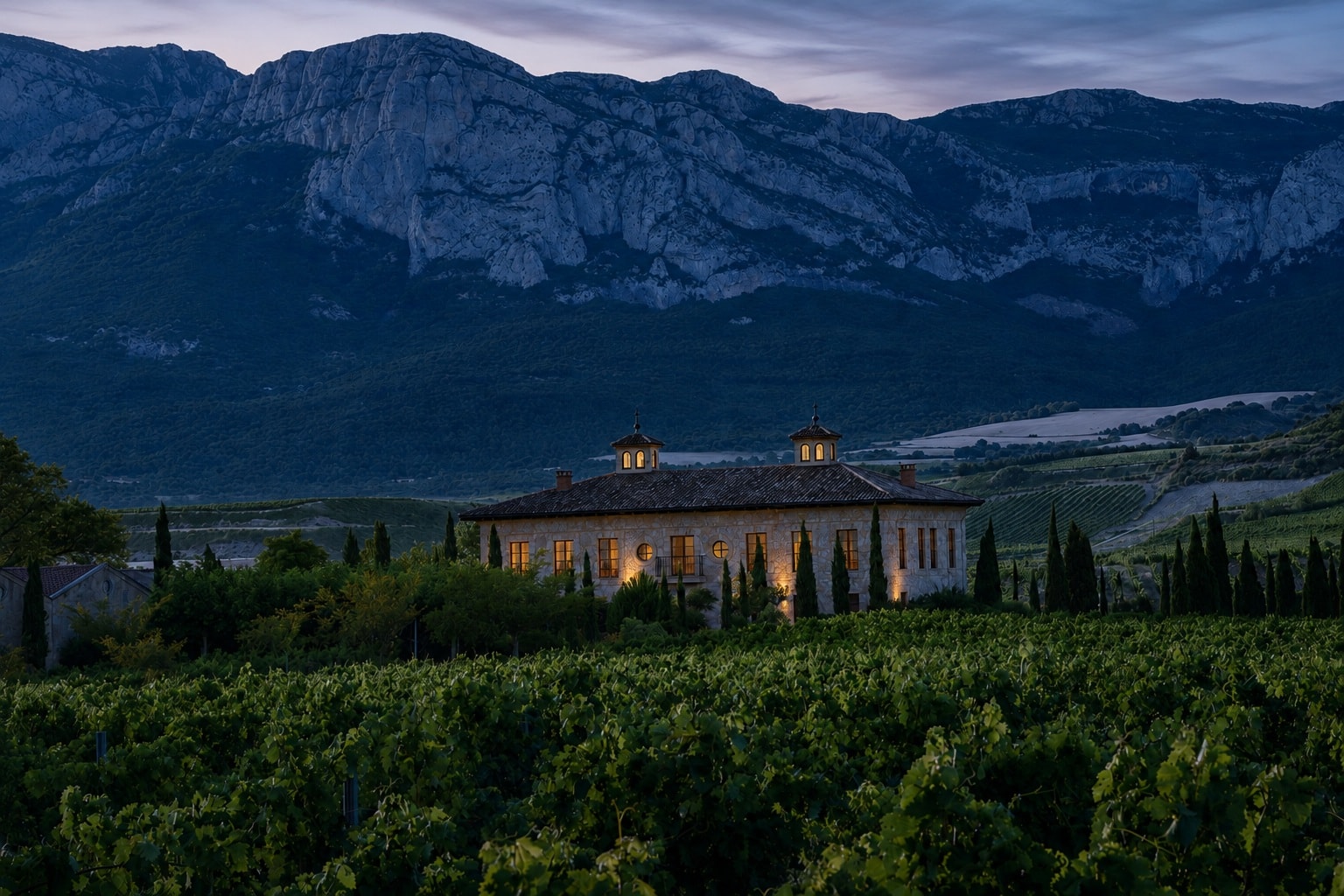
Founded in 1890 by five Riojan families, La Rioja Alta is one of the most respected bodegas in the Rioja DOCa region of northern Spain. For more than a century, the estate has remained committed to traditional winemaking methods, crafting Tempranillo-based wines distinguished by elegance, balance and exceptional ageing potential.
Founded in 1890 by five Riojan families and a Basque businessman, La Rioja Alta is one of the benchmark traditional bodegas of the Rioja DOCa region in northern Spain. The estate has remained family-owned since its founding, maintaining an unwavering commitment to extended oak ageing, careful blending and patient bottle maturation before release. Its wines are built for longevity, combining elegance and restraint with the structure to evolve gracefully over decades.
Quick Facts
A Bodega Rooted in Haro's Golden Age
La Rioja Alta was established during a pivotal period for Rioja, when phylloxera had devastated French vineyards and Bordeaux merchants turned to northern Spain for quality wine. The bodega's founders recognised an opportunity to craft fine wines using both local tradition and insights gained from French winemaking techniques.
The bodega was incorporated in Haro, the historic wine capital of Rioja Alta, and quickly gained a reputation for meticulous cellar work and a commitment to age-worthy wines. More than 130 years later, it remains independent and family-controlled, preserving the founding vision across successive generations.
The Traditional Architecture of Gran Reserva
At the heart of La Rioja Alta's identity is a dedication to extended oak maturation and prolonged bottle ageing before commercial release. Gran Reserva 904, first produced in 1904, exemplifies this approach: it spends four to five years in American oak barrels, followed by additional years in bottle, resulting in wines that are not released until they have achieved harmony and complexity.
Gran Reserva 890, produced only in exceptional vintages, undergoes an even more exacting regimen. Named after the first vintage bottled under this designation, it receives extended barrel ageing—typically six years in American oak—and is released only when the bodega deems it ready. The result is a wine of remarkable refinement, with tertiary notes of leather, tobacco and dried fruit layered over a core of red fruit and spice.
This approach to élevage reflects a philosophy increasingly rare in modern winemaking: patience as a defining characteristic of quality.
Vineyards Across Rioja's Finest Terroirs
La Rioja Alta draws fruit from estate-owned vineyards and longstanding partnerships with trusted growers across the Rioja Alta and Rioja Alavesa subregions. These holdings include mature, low-yielding Tempranillo vines planted on a varied patchwork of chalky clay and alluvial soils that provide natural acidity, structure and aromatic precision.
The bodega's vineyard in the Rioja Alavesa subregion supplies fruit for Torre de Oña, a separate label launched in 1995 that emphasises a more concentrated, modern expression while retaining the estate's commitment to balance and terroir. Viña Ardanza and Viña Alberdi, both Reserva-level wines, showcase the estate's ability to express depth and character across its portfolio, each reflecting distinct blending philosophies and ageing regimes.
The diversity of vineyard sources allows La Rioja Alta to blend wines of considerable complexity, marrying the freshness of higher-altitude sites with the ripeness and body provided by warmer, lower-lying parcels.
Craftsmanship Built on Continuity
Blending at La Rioja Alta is carried out with precision and consistency, drawing on decades of experience and the bodega's extensive barrel library. American oak, coopered and toasted in-house, imparts the signature notes of vanilla, coconut and sweet spice that define traditional Rioja, while careful racking and gentle handling preserve fruit purity and elegance.
The bodega's philosophy prioritises expression over intervention. Wines are released only when they are considered ready to drink, yet they possess the structure and acidity to continue evolving for many years beyond that point. Gran Reserva 904 and 890 are regularly cited among the finest examples of classical Rioja, wines that reward patience and demonstrate the enduring relevance of traditional methods in modern winemaking.