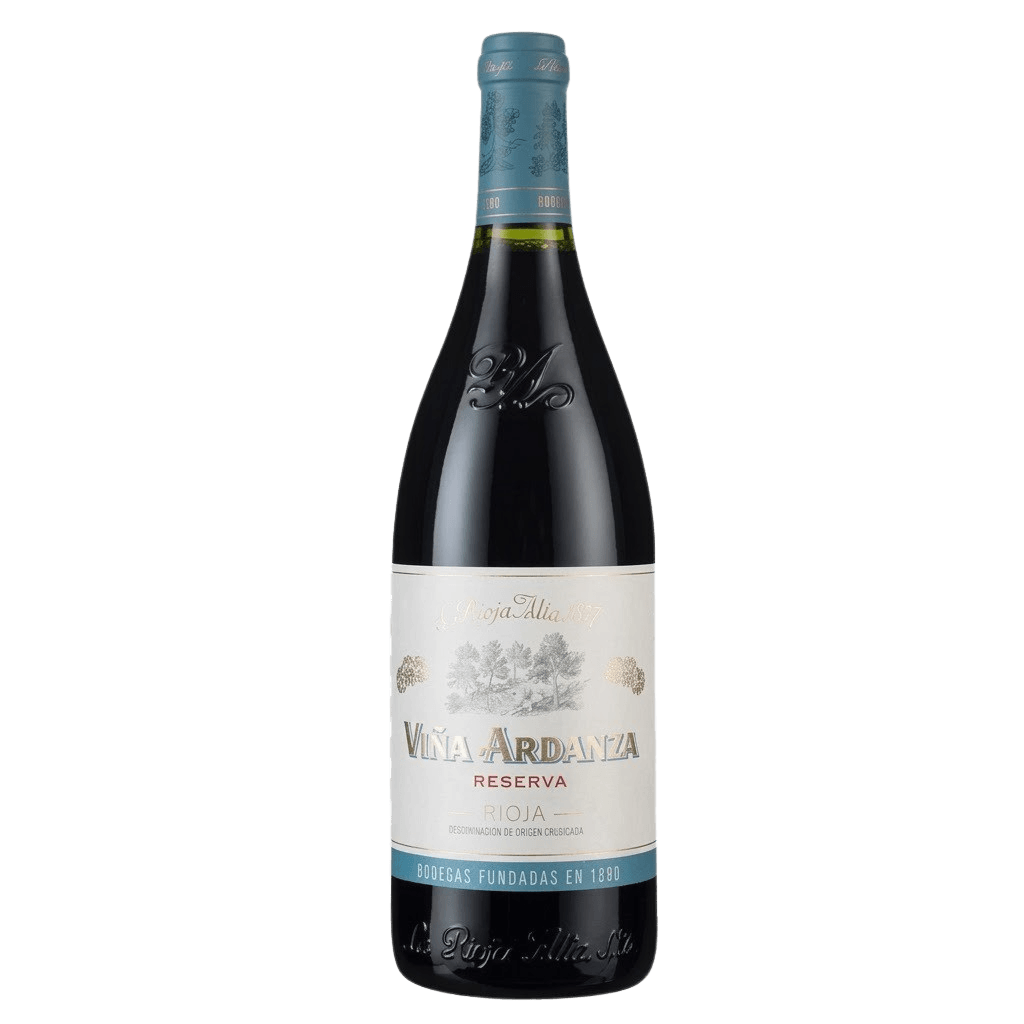
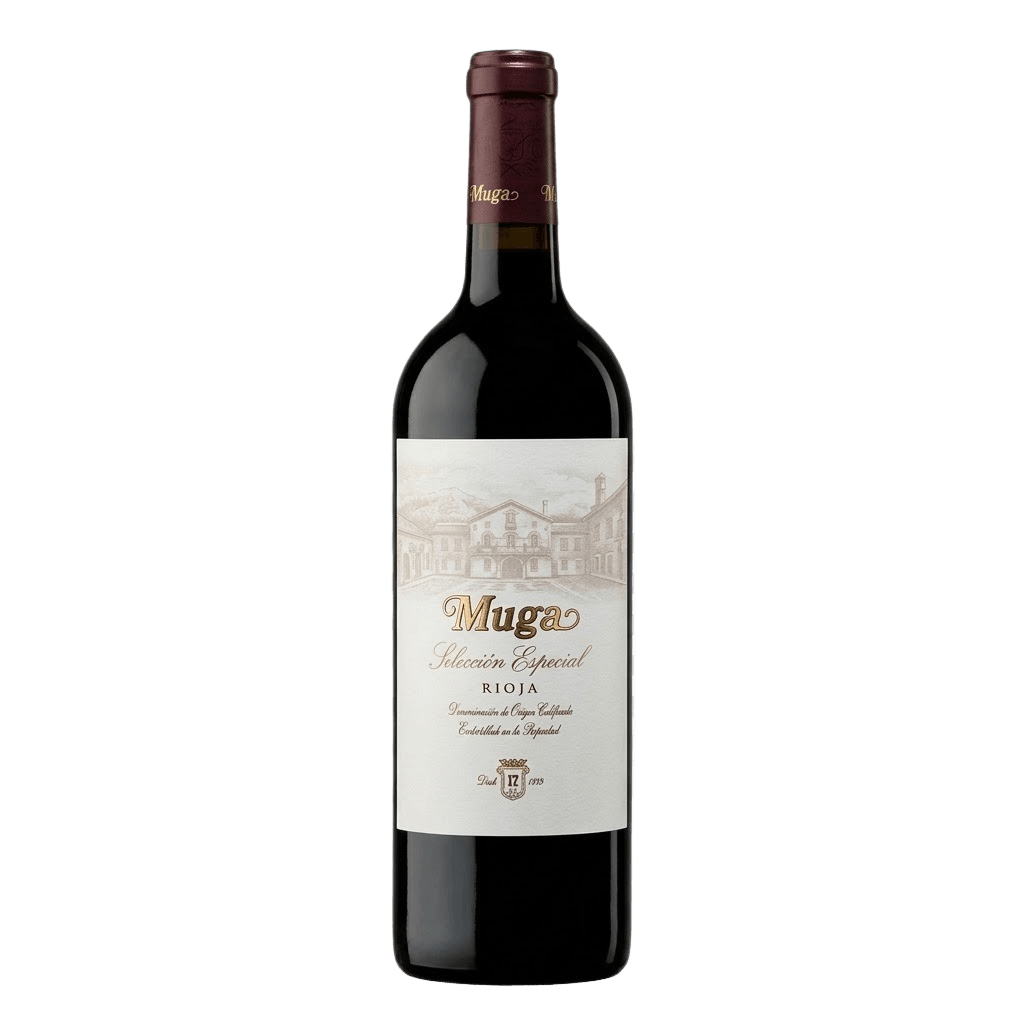
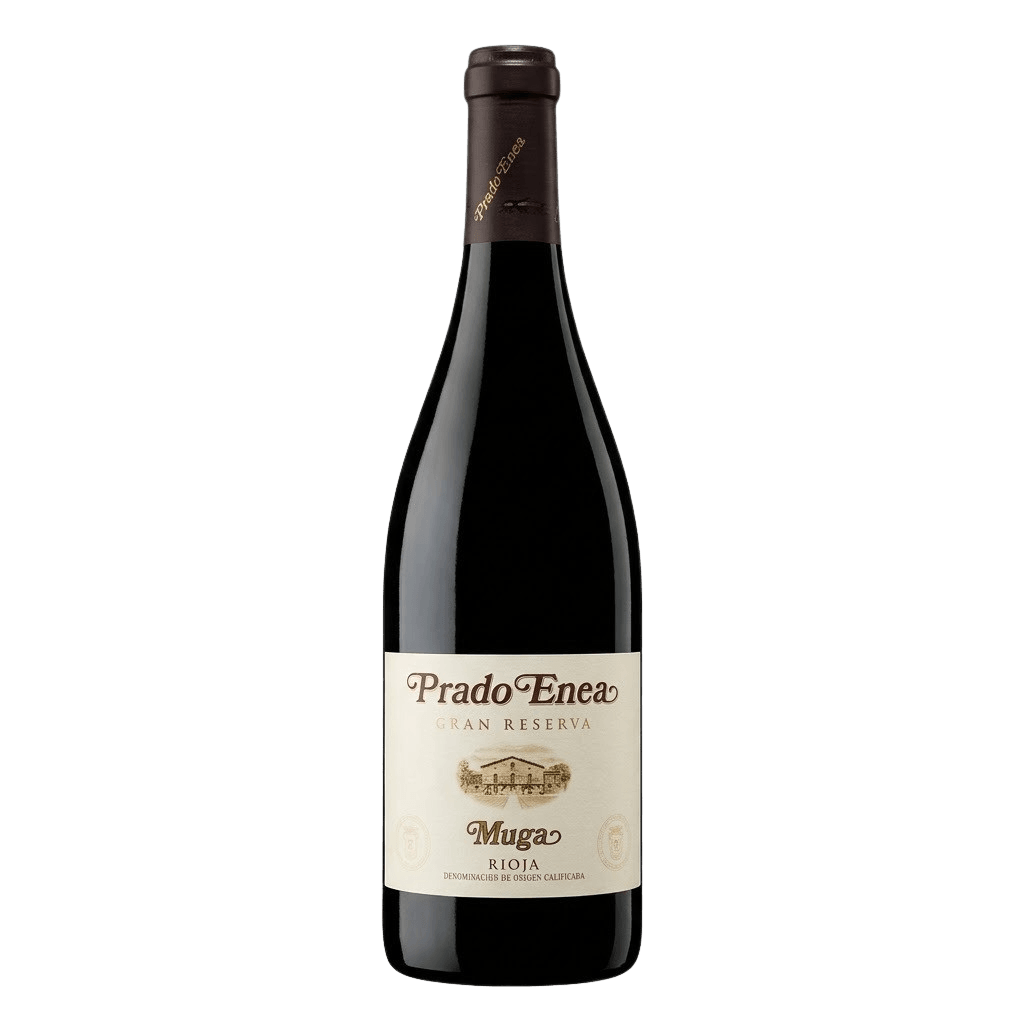
Grenache, known as Garnacha in Spain, is one of the world’s most important Mediterranean red wine grapes, prized for its ripe fruit, aromatic intensity and ability to thrive in warm, dry climates. Historically rooted in Spain and deeply established across southern France, the variety has become fundamental to many of the great wines of the Mediterranean.
In France, Grenache is particularly important in the Southern Rhône, where it forms the backbone of many blends in Châteauneuf-du-Pape, Gigondas and Vacqueyras. Here it is commonly combined with Syrah, Mourvèdre and other permitted varieties, contributing generous red fruit, body, warmth and spice. Old vines and low yields can produce wines of remarkable concentration, complexity and ageing potential.
In Spain, where the grape is called Garnacha, it has a long history across regions including Priorat, Aragón and Rioja. Old-vine Garnacha grown on poor, rocky soils can produce intensely expressive wines combining ripe cherry and raspberry fruit with herbs, spice and mineral character. Priorat in particular has demonstrated the variety’s capacity to produce powerful, structured and highly regarded fine wines.
Grenache typically produces wines with flavours of ripe strawberry, raspberry and red cherry, often accompanied by dried herbs, liquorice, pepper and warm spice. Naturally high potential alcohol and relatively moderate tannins give the wines generosity and texture, while old vines and suitable sites can provide impressive depth and balance.
Beyond France and Spain, Grenache is cultivated in Australia, California, South Africa and other warm-climate regions. It is used for red wines, rosé and blends, making it one of the wine world's most versatile major varieties.
From the complex blends of the Southern Rhône to old-vine Garnacha from Spain, Grenache combines fruit intensity, Mediterranean character and remarkable versatility, securing its place among the defining grapes of fine red wine.